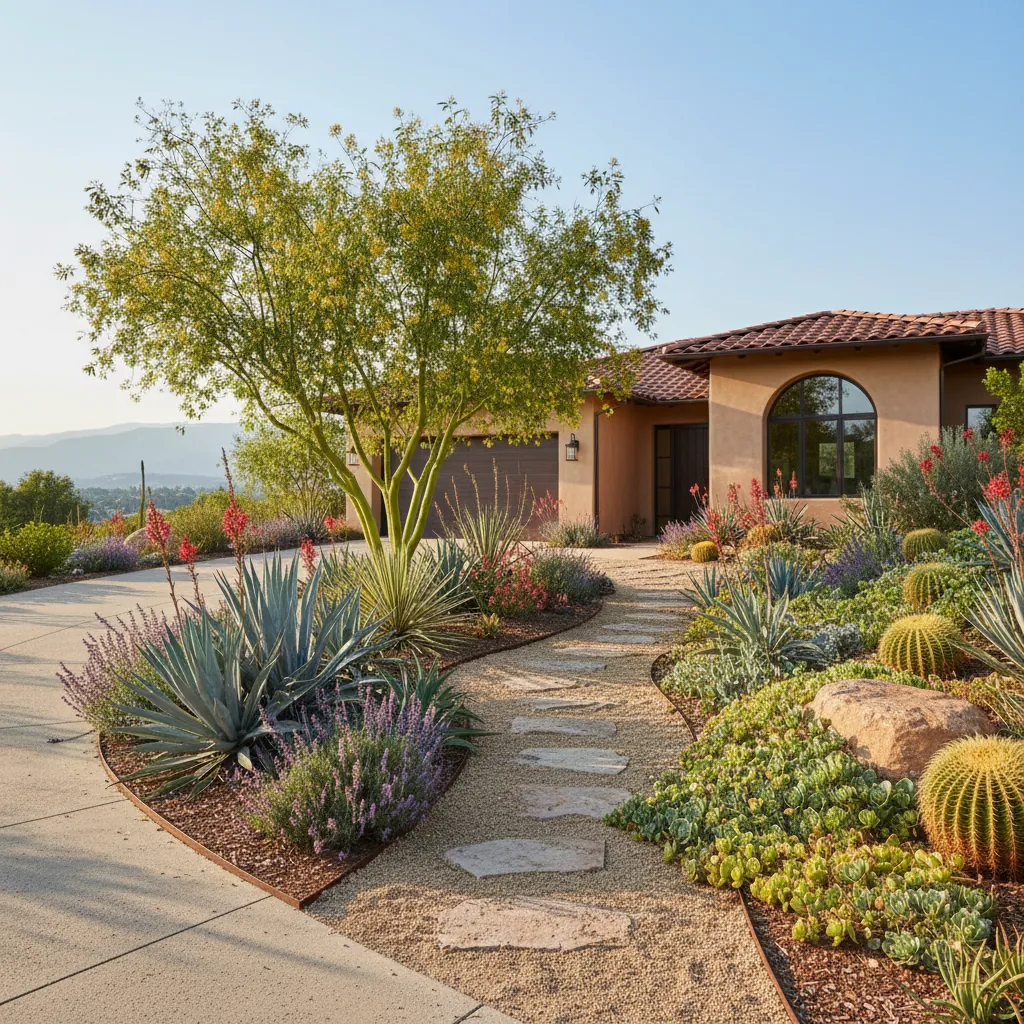
Local landscaping pros in 63 Los Angeles-area neighborhoods. Each request goes to up to four of them.
Landscapers design and install planting, irrigation, lawns, mulch, trees and garden beds, and many also handle lighting, drainage and swapping lawns for drought-tolerant gardens. In Greater Los Angeles, homeowners often replace thirsty grass with native and Mediterranean plants on drip irrigation, or clear brush in hillside fire zones. In Greater San Antonio, the focus is plants that survive summer heat and watering limits, plus care around live oaks. We connect you with landscaping companies near you.
A typical project begins with a site walk and a plan covering plant choices, irrigation zones and any grading. Crews remove old lawn or plants, amend the soil, lay irrigation lines and set controllers, then plant, mulch and test the system. Drip irrigation suits shrubs and beds, while rotors or efficient spray nozzles suit any remaining turf. Lighting and small hardscape like stepping stones often go in at the same time. A front yard makeover may take one to two weeks; larger yards with grading and new trees can take three to six.
Soil and climate shape plant choices. Valley and inland LA neighborhoods have hot summers and clay or decomposed granite soils, while coastal areas stay mild with salty air. Hillside homes in fire zones must follow brush clearance rules and benefit from fire-resistant planting and spacing near the house. Water costs and watering day limits from LADWP and other agencies favor low-water designs. In San Antonio, shallow caliche makes planting holes hard to dig, SAWS limits irrigation days during drought stages, and oak wilt guidance advises against pruning live oaks in spring.
Most planting and irrigation work needs no building permit, but California's water efficient landscape rules can apply to larger new or rehabilitated landscapes, and some cities ask for a plan on those projects. LADWP and SAWS have offered rebates for lawn replacement or efficient irrigation at times, often requiring pre-approval, so apply before removing anything. In Texas, installing an irrigation system requires a TCEQ irrigator license. Fall is the best planting season in both metros, giving roots time to settle before summer. Expect a few plants to need replacing in the first year.
| Job | Typical range | What moves the price |
|---|---|---|
| Front yard drought-tolerant makeover | $8,000 - $25,000 | Lawn removal, plant sizes, drip irrigation and how much decorative rock or mulch is used. |
| Drip irrigation system | $1,500 - $5,000 | Number of zones, a smart controller and converting old sprinkler lines to drip. |
| Planting with soil prep | $8 - $20 / sq ft | Plant container sizes, planting density and the amount of compost or amendment needed. |
| Tree planting | $300 - $1,500 per tree | Box size, species, and access for moving heavy root balls into a backyard. |
| Brush clearance and cleanup | $500 - $3,000 | Slope steepness, debris volume and haul-off; a common annual job in LA fire zones. |
| Landscape design plan | $500 - $4,000 | A simple layout sketch versus detailed planting and irrigation drawings with a plant schedule. |
Typical market ranges, not a quote. Your price depends on the house, the scope and the season; compare written quotes.
Type your ZIP code and we take you to the landscaping page for your neighborhood. If we do not cover that ZIP yet, you go to the request form with it filled in.
We also match landscaping requests in 5 San Antonio neighborhoods.
Front yard makeovers with new plants and drip irrigation commonly fall around $8,000 to $25,000, depending on size, lawn removal and plant sizes. Smaller bed refreshes cost less. San Antonio projects are often somewhat cheaper for similar scope. Large trees, grading and lighting push totals higher.
In Los Angeles, many homeowners use California natives and Mediterranean plants such as sage, manzanita, ceanothus, lavender and native grasses. In San Antonio, Texas sage, salvia, lantana, agave and native grasses handle heat well. Your landscaper should match plants to your sun, soil and watering rules.
LADWP and regional partners have offered turf replacement rebates for living low-water gardens, and SAWS has run conservation programs in San Antonio. Terms and amounts change, and most programs require approval before you remove any grass. Check the current rules and apply first, then schedule the work.
New plants need more frequent watering for the first several months, then less as roots establish. Drip systems on a smart controller make that easier. Follow local watering day rules from LADWP, your city or SAWS. Your landscaper should set a schedule and adjust it after the first season.
In LA fire hazard zones, brush clearance and spacing plants away from the house are required in many areas. Keep the strip right next to the house free of dry material and flammable mulch. Choose plants with high moisture content and keep them maintained. Check LAFD or LA County Fire guidance for your address.
Fall is the best planting season in both Los Angeles and San Antonio, since cooler weather and winter rain help roots grow before summer. Spring works too with careful watering. Avoid planting in peak summer heat when possible, because new plants struggle to establish.
