Typical San Marino costs, permit steps and timelines are below. When you are ready, describe your project and up to four local landscapers serving San Marino will contact you. You compare and decide.
Nestled in the San Gabriel Valley, San Marino homes are distinguished by expansive, historic properties that require a sophisticated eye for design and preservation. Balancing the beauty of estate-scale lawns with the reality of Southern California's shifting climate requires a tailored, thoughtful approach. We connect you with local landscaping professionals who specialize in maintaining the classic elegance of these premier residential properties.
San Marino's gently sloping terrain features deep alluvial soils that drain rapidly, which can leave mature tree roots thirsty during our hot, dry inland summers.
Furthermore, many historic homes sit on raised foundations, meaning grading and irrigation must be meticulously planned to prevent water runoff from pooling near crawlspaces. Landscaping projects here must also respect the strict aesthetic and canopy protection guidelines enforced by the City of San Marino Planning & Building Department.
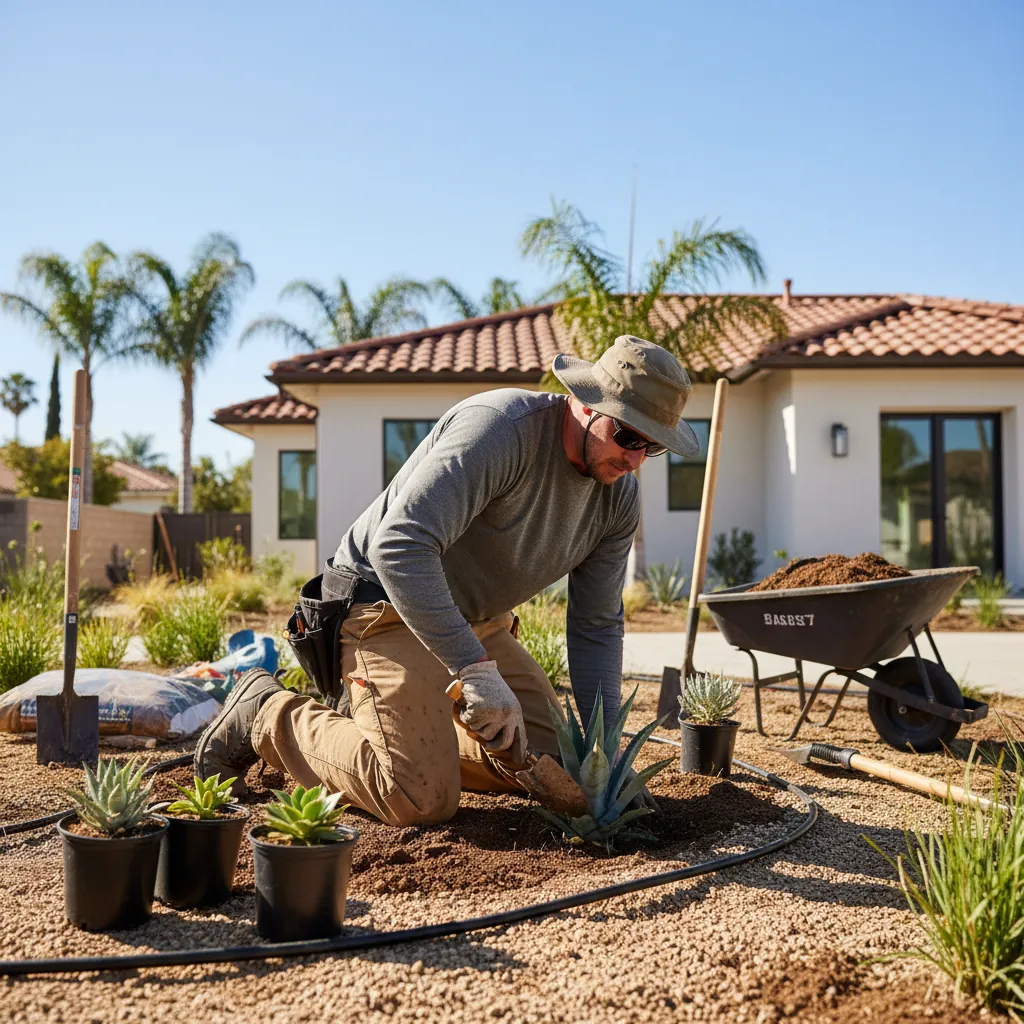
Addresses large lot sizes in San Marino, updating older spray systems to smart drip lines to meet local water conservation limits.
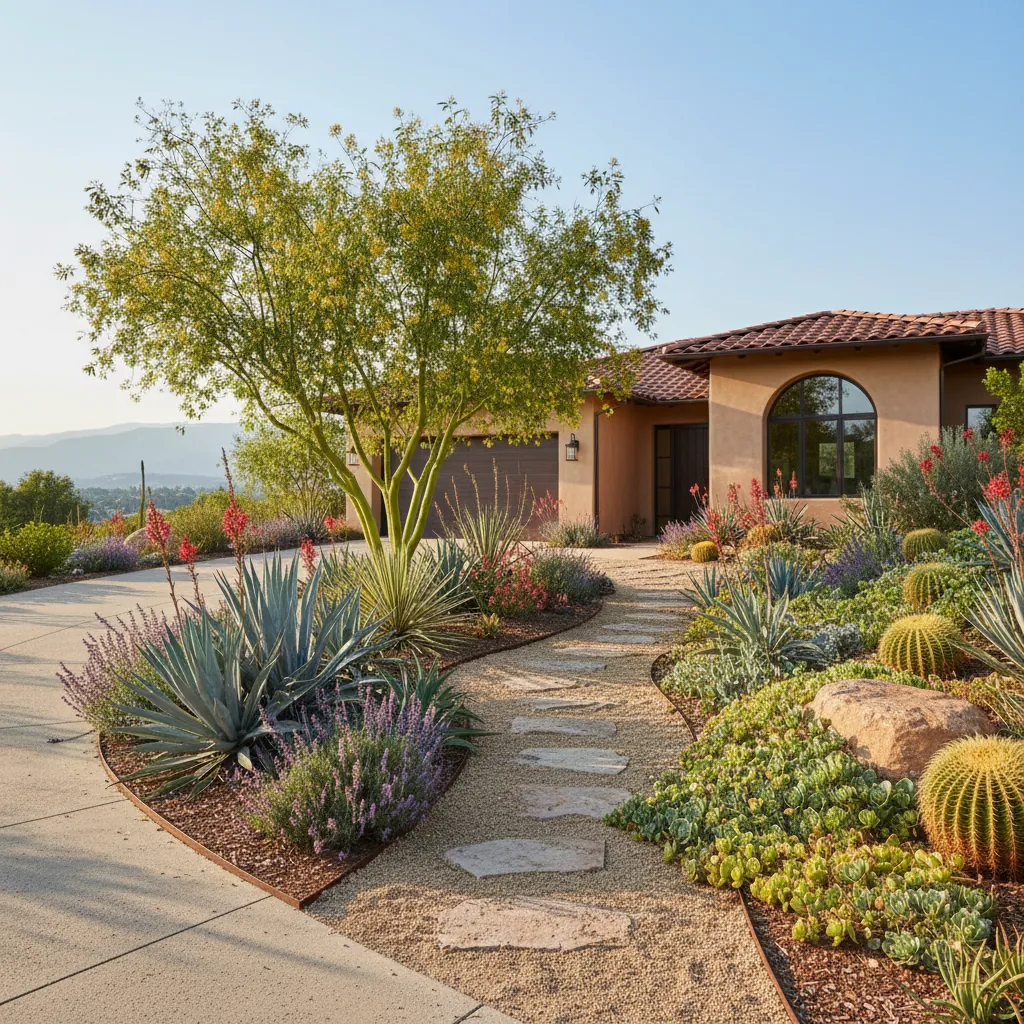
Varies widely based on estate size, plant maturity, and the inclusion of California native species that mimic the Huntington Library botanical feel.
Includes deep tilling of alluvial soil and adding organic soil conditioners to retain moisture during hot inland summers.
Typical market ranges for the Greater Los Angeles area, not a quote or a guarantee. The price of your job depends on its scope, so ask each pro for a written estimate before you decide. Bars share one scale, so you can compare project sizes.
On-site soil analysis to evaluate alluvial drainage and nutrient needs
Detailed site mapping of existing mature tree root zones and foundation elevations
Drafting of landscape plans complying with City of San Marino design guidelines
Installation of high-efficiency drip irrigation and pressure-regulating valves
Planting of native or climate-adapted flora with organic mulching
Final inspection to ensure zero runoff toward raised foundations
ContractorPro.Leads doesn't do the work itself. We pass your San Marino project to up to four local landscapers who take this kind of job, and you decide whether to hire any of them.
From the grand estates lining Huntington Drive to the shaded residential lanes surrounding Lacy Park, San Marino's character is defined by its lush, mature canopy. Homeowners here often seek to replicate the botanical elegance of the nearby Huntington Library within their own private gardens. Local landscaping pros design spaces that harmonize with this historic aesthetic while implementing modern, water-efficient drip systems.
Tell us what you have in mind. We'll pass it to up to four local pros, and they'll contact you to talk it through.
Simple replanting typically does not require a permit. However, the City of San Marino Planning & Building Department requires permits and design review for significant hardscaping, retaining walls over three feet, changes to grading, or any work affecting protected heritage trees.
While alluvial soil offers decent drainage, it can dry out quickly during hot inland summers and lack necessary organic nutrients for non-native plants. Local pros recommend incorporating compost and utilizing heavy mulching to retain moisture around root zones.
San Marino residents served by California American Water can access rebates for turf removal, smart irrigation controllers, and rotating sprinkler nozzles. Local contractors can help design your yard to meet these rebate requirements.
Because many historic homes in San Marino have raised crawlspaces, proper grading is critical. Pros ensure the ground slopes away from the foundation and install French drains or bioswales to guide heavy winter rains safely away from the structure.
Late autumn and early winter are ideal. This allows native and Mediterranean plants to establish their root systems during the cooler, wetter months before facing the intense heat of a San Marino summer.
