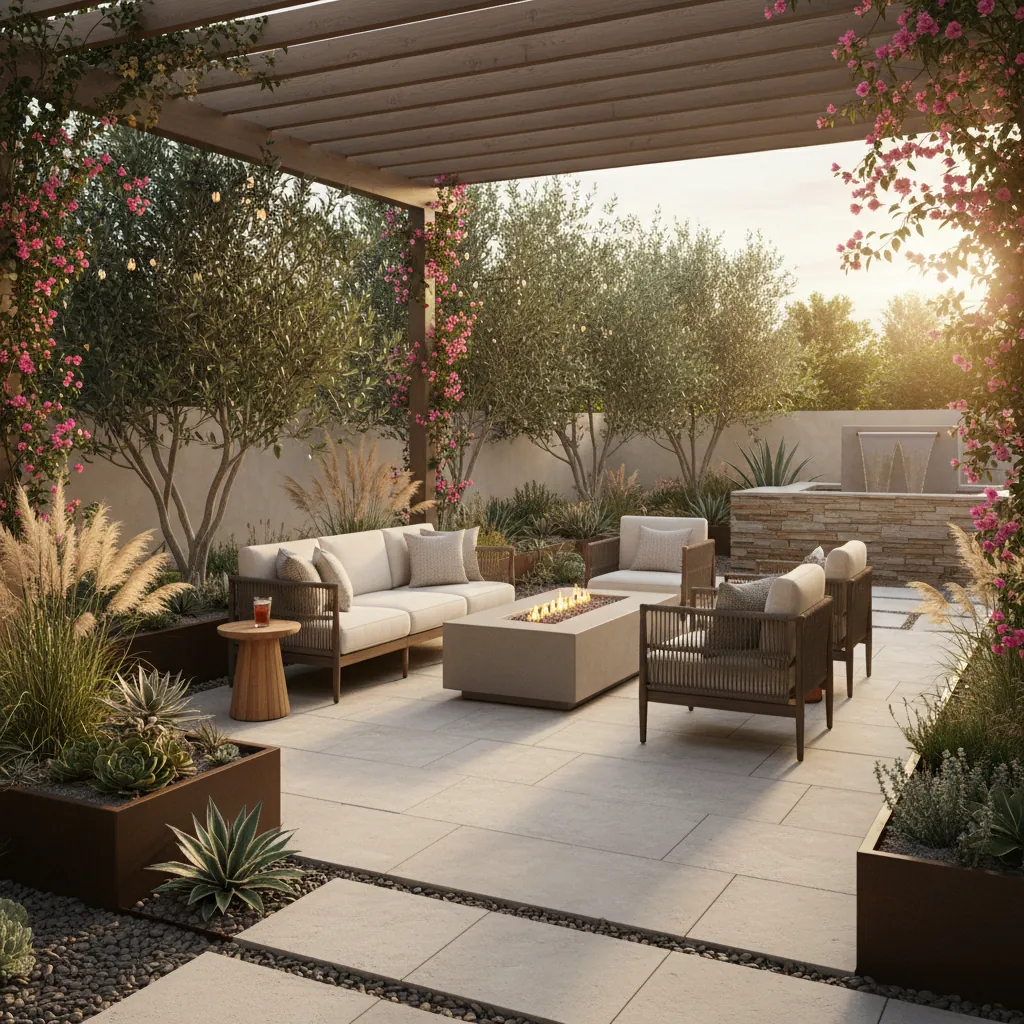
Typical San Marino costs, permit steps and timelines are below. When you are ready, describe your project and up to four local backyard remodelers serving San Marino will contact you. You compare and decide.
Depends on premium material choices (such as natural stone or pavers), square footage, and structural footings required for San Marino's alluvial soils.
Cost varies based on the maturity of specimen trees, native shrub selections, and smart irrigation controllers designed to meet local water provider rules.
Involves running utility lines (gas, water, electricity) from older raised-foundation homes and complying with strict local safety and zoning setbacks.
Typical market ranges for the Greater Los Angeles area, not a quote or a guarantee. The price of your job depends on its scope, so ask each pro for a written estimate before you decide. Bars share one scale, so you can compare project sizes.
Nestled within San Marino's tree-lined streets, residential estates demand outdoor spaces that match their rich architectural heritage. These experienced contractors understand how to preserve the character of your home while safely expanding your outdoor living space.
San Marino’s gently sloping terrain features deep alluvial soils that present unique structural challenges for hardscaping, especially near older homes on raised foundations.
Designing retaining walls, luxury hardscapes, or custom pools requires precise engineering to prevent settling and protect mature native oak canopies. Additionally, the City of San Marino Planning & Building Department maintains strict zoning laws regarding lot coverage and setback requirements that must be navigated with local expertise.
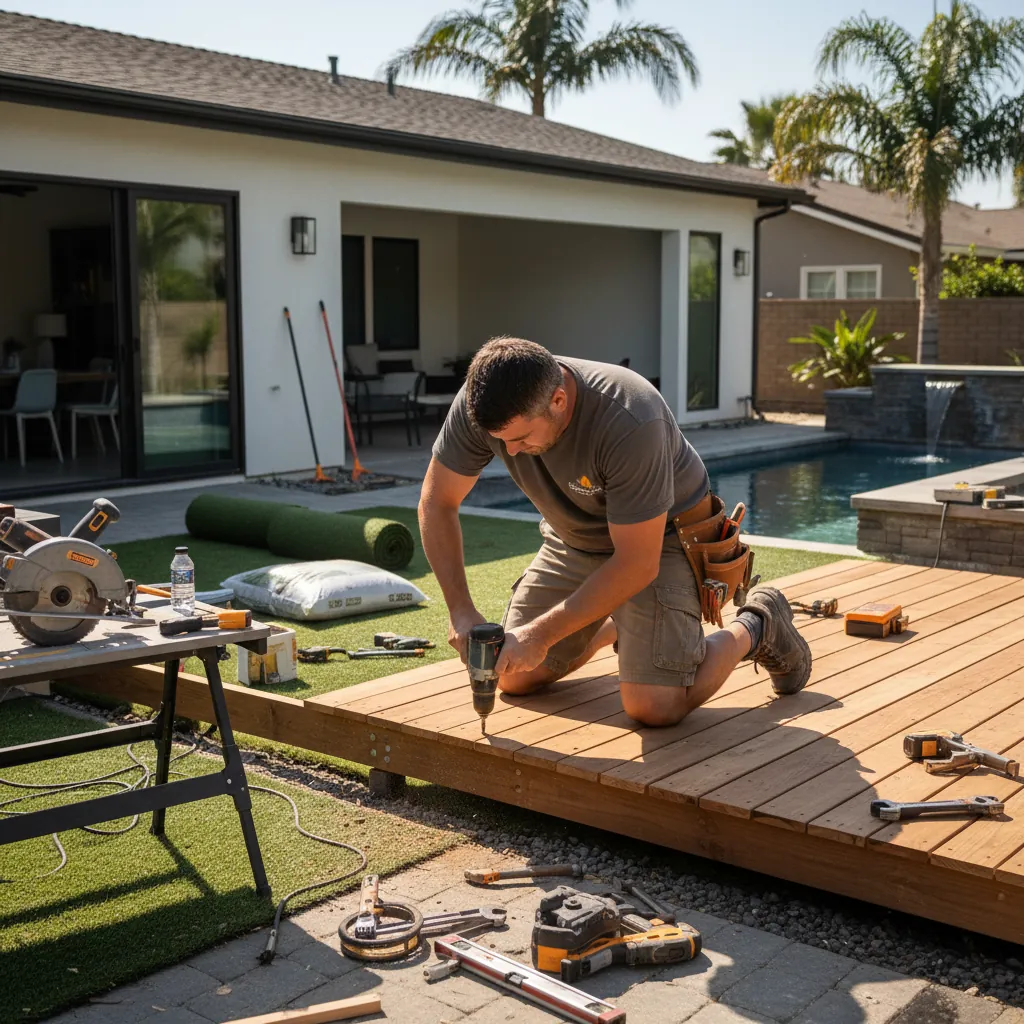
Initial site assessment of alluvial soil conditions, slope, and existing mature tree roots.
Conceptual landscape and hardscape design aligning with San Marino's architectural standards.
Engineering and structural drafting for retaining walls, pools, or permanent outdoor structures.
Permit submission and coordination with the City of San Marino Planning & Building Department.
Site excavation, grading, and careful drainage installation around raised foundations.
Hardscape construction, planting, smart irrigation setup, and final municipal inspections.
ContractorPro.Leads doesn't do the work itself. We pass your San Marino project to up to four local backyard remodelers who take this kind of job, and you decide whether to hire any of them.
From the expansive, manicured gardens surrounding The Huntington Library to the stately properties framing Huntington Drive, San Marino's aesthetic is defined by classic architecture and mature greenery. Renovating a backyard here isn't just about adding a patio; it's about honoring the neighborhood’s scale, utilizing materials that complement traditional Spanish Colonial, Tudor, or Monterey Revival homes, and integrating native plantings that thrive in our hot inland summers while respecting local water-use guidelines.
Tell us what you have in mind. We'll pass it to up to four local pros, and they'll contact you to talk it through.
Permit timelines with the City of San Marino Planning & Building Department typically range from 4 to 12 weeks, depending on the complexity of the project. Custom structures, pools, or extensive grading require structural engineering reviews and must comply with strict local lot-coverage limits before approval.
Yes. Homeowners serviced by California American Water can often take advantage of turf replacement rebates and incentives for installing smart, weather-based irrigation controllers. Local contractors can help design a drought-tolerant layout that maximizes these rebates.
San Marino sits on alluvial soil, which is prone to shifting and settling, particularly near older homes with raised foundations. Professional contractors mitigate this by engineering deeper footings, utilizing proper sub-base compaction, and installing dedicated drainage systems to direct runoff away from the home's foundation.
San Marino has strict tree preservation ordinances, especially concerning native oaks and mature canopy trees. Any major pruning or removal typically requires an arborist report and a permit from the city. Local landscape pros prioritize designing around these beautiful natural assets.
While southern California's climate allows year-round construction, starting your design in late summer or fall is ideal. This allows permitting to wrap up so excavation can begin during the cooler winter months, ensuring new plantings are established before the hot inland summer heat arrives.
