Typical San Marino costs, permit steps and timelines are below. When you are ready, describe your project and up to four local hardscape contractors serving San Marino will contact you. You compare and decide.
San Marino’s grand historic estates demand outdoor living spaces that honor their architectural heritage and expansive, tree-shaded grounds. From classic brick pathways to elegant stone patios, local hardscaping must blend seamlessly with the neighborhood's distinct character. We connect you with local hardscape specialists who understand how to design and construct enduring structures for these landmark properties.
The alluvial soil of San Marino, combined with the gentle slopes and extensive root systems of mature oaks, presents unique structural challenges for hardscaping.
Without precise sub-grade engineering and deep base compaction, expansive soils and thirsty roots can easily crack concrete or shift heavy stone pavers over time. Additionally, properties here must carefully manage runoff to protect historic raised foundations and comply with strict municipal drainage ordinances.
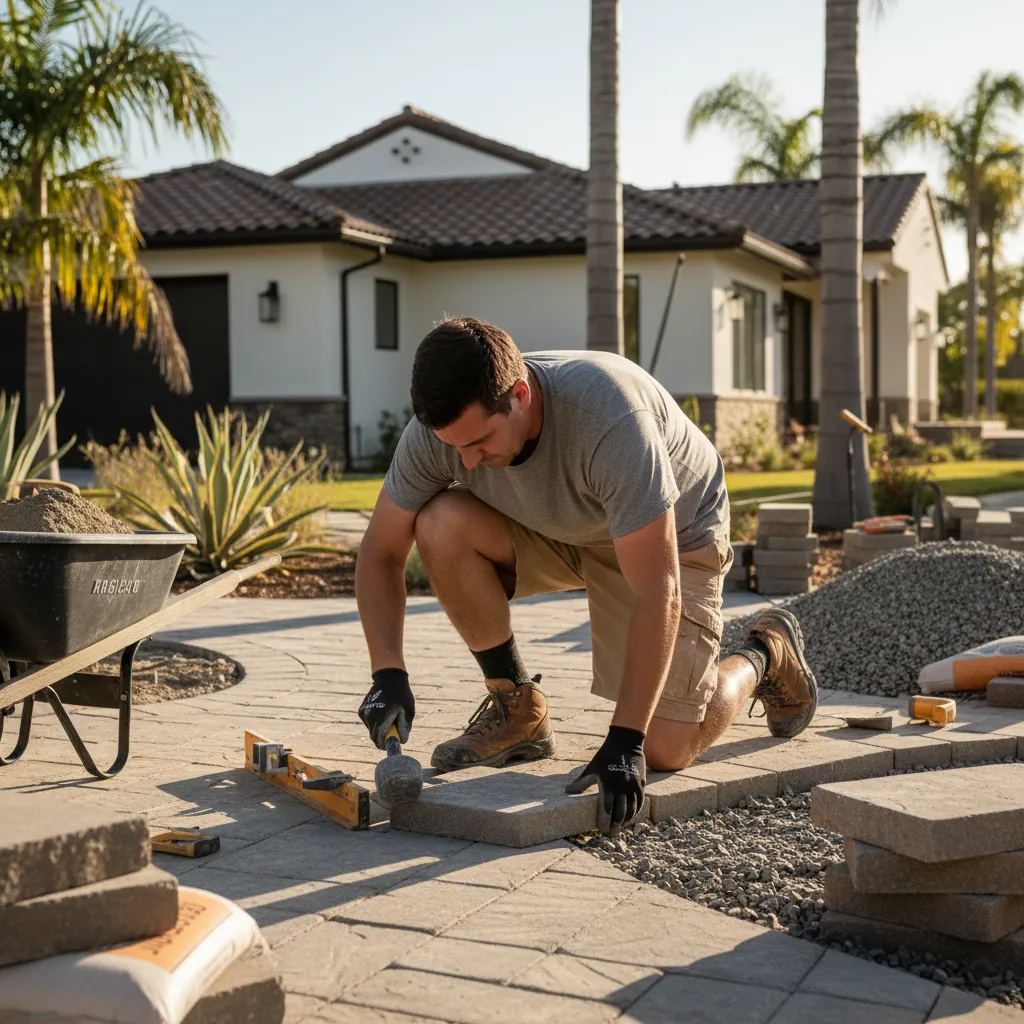
Refined styles to match historic San Marino architecture, requiring deep sub-base preparation to withstand alluvial soil movement.
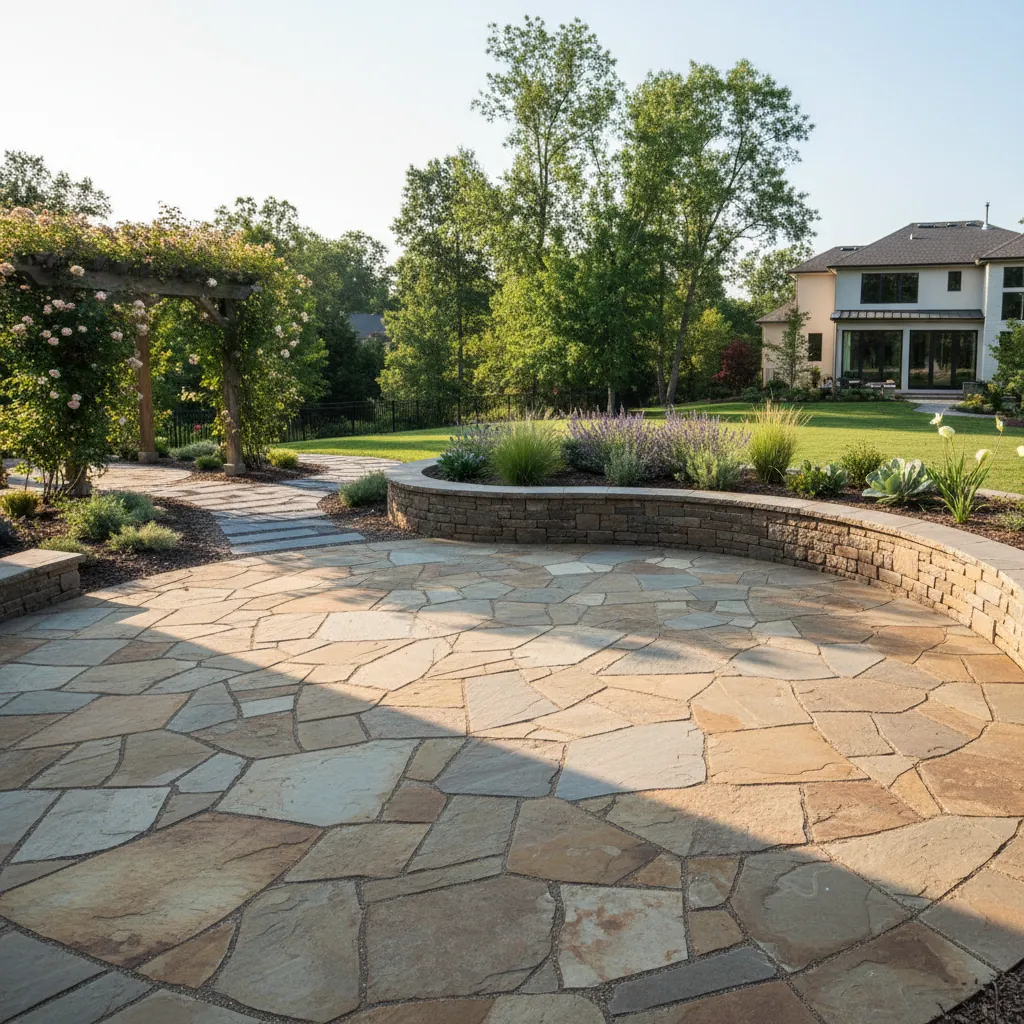
Premium materials like hand-selected slate or travertine, often required around classic estates near Lacy Park.
Essential for managing gentle slopes, creating terraced gardens, and controlling drainage on expansive lots.
Typical market ranges for the Greater Los Angeles area, not a quote or a guarantee. The price of your job depends on its scope, so ask each pro for a written estimate before you decide.
Site assessment, including soil evaluation and mapping of mature tree root zones.
Grade and drainage planning to protect raised foundations and manage storm runoff.
Permit filing and plan submission to the City of San Marino Planning & Building Department.
Excavation and deep sub-grade compaction tailored to alluvial soil conditions.
Precision installation of selected materials (natural stone, brick, or interlocking pavers).
Final joint-sanding, sealing, and clean-up of the estate grounds.
ContractorPro.Leads doesn't do the work itself. We pass your San Marino project to up to four local hardscape contractors who take this kind of job, and you decide whether to hire any of them.
Whether your property sits near the historic gates of The Huntington Library, along the wide corridors off Huntington Drive, or near the quiet paths of Lacy Park, your hardscape should complement your home's architectural style. Classic Mediterranean, Tudor, and Colonial Revival estates require premium materials like natural flagstone, brick, or high-grade pavers that look and feel original to the property.
Tell us what you have in mind. We'll pass it to up to four local pros, and they'll contact you to talk it through.
Yes, most significant hardscape projects, including new driveways, patios, and retaining walls, require review and permits from the City of San Marino Planning & Building Department to ensure compliance with lot coverage and drainage standards.
The city highly values its tree canopy. Hardscaping near mature oaks must avoid cutting major roots, often requiring hand-digging or the use of permeable pavers that allow air and water to reach the root systems.
San Marino’s alluvial soils can shift during dry summers and wet winters. Local pros use deeper gravel bases and high-quality geotextile fabrics to prevent settling and cracking.
Yes, replacing water-thirsty lawn with permeable hardscaping may qualify for turf removal rebates through the Metropolitan Water District of Southern California (MWD) or California American Water.
Depending on the complexity and lot coverage calculations, plan checks with the City of San Marino Planning & Building Department typically take between 2 to 6 weeks.
