Typical San Marino costs, permit steps and timelines are below. When you are ready, describe your project and up to four local paver installers serving San Marino will contact you. You compare and decide.

Covers high-quality concrete pavers ideal for driveways and walkways, reflecting local labor rates and standard site prep in alluvial soil.
Includes specialized sub-base layers and aggregate joint fill designed to manage stormwater runoff on sloped San Marino lots.
High-end material selection matching the historic estate aesthetics near the Huntington Library, requiring meticulous hand-selection and cutting.
Typical market ranges for the Greater Los Angeles area, not a quote or a guarantee. The price of your job depends on its scope, so ask each pro for a written estimate before you decide.
San Marino’s historic estates demand hardscaping that complements their timeless architecture, from classic Mediterranean to elegant Colonial Revival. Navigating local design guidelines while preserving the root systems of our iconic, mature oak trees requires a refined, precise approach. We connect you with local paver professionals who understand how to elevate your property's outdoor living spaces with enduring craftsmanship.
San Marino's alluvial soil, combined with a gently sloping terrain, makes proper sub-base preparation critical to prevent pavers from shifting under heavy vehicles or during seasonal rains.
Additionally, with hot inland summers baking the ground, selecting high-thermal-mass pavers that remain cool underfoot is essential for comfortable patios. Any significant hardscape modification must also respect the strict aesthetic and setback guidelines enforced by the City of San Marino Planning & Building Department to preserve the neighborhood's historic character.
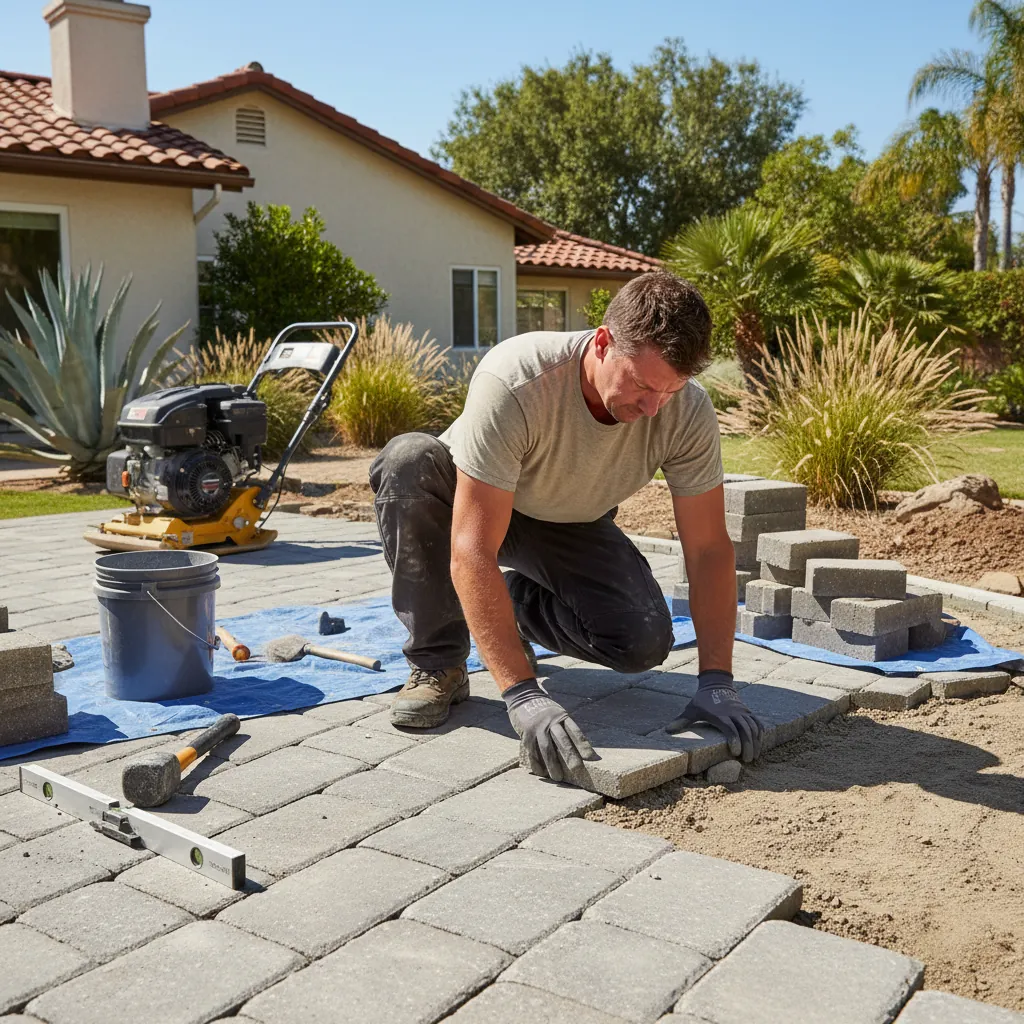
Site assessment mapping existing tree roots and utility lines
Excavation and grading to ensure proper drainage away from raised foundations
Installation of a heavy-duty geotextile fabric to stabilize the alluvial subgrade
Compaction of a thick, crushed aggregate base tailored to local soil load capacities
Precise layout of selected pavers with tight, uniform joints
Application of polymeric sand and final compaction to lock the stones in place
ContractorPro.Leads doesn't do the work itself. We pass your San Marino project to up to four local paver installers who take this kind of job, and you decide whether to hire any of them.
Driving down the wide, tree-lined canopy of Huntington Drive or walking near Lacy Park, it's clear that San Marino homeowners take immense pride in their environments. Hardscape designs here often take inspiration from the stunning stone pathways at The Huntington Library, prioritizing natural stone or high-end interlocking concrete pavers that blend seamlessly with mature gardens and expansive, estate-sized lots.
Tell us what you have in mind. We'll pass it to up to four local pros, and they'll contact you to talk it through.
Yes, most hardscape projects that alter grading, drainage, or exceed certain square footage thresholds require approval from the City of San Marino Planning & Building Department. It is crucial to verify lot coverage limits to ensure compliance with municipal codes.
Alluvial soil can expand and contract with seasonal moisture changes. Local pros prevent shifting by excavating deeper than standard guidelines and installing a thicker, highly compacted aggregate base wrapped in geotextile fabric to stabilize the foundation.
Absolutely. Permeable paver systems allow rainwater to filter directly into the ground rather than running off into the municipal storm drains. This aligns with local water provider conservation guidelines by reducing runoff and helping sustain deep-rooted mature trees.
While installation can happen year-round due to mild winters, the dry fall and spring months are ideal. Installing during these periods avoids the intense heat of inland summers and the occasional heavy winter rainstorms that can complicate excavation.
San Marino has strict tree preservation ordinances. Local contractors must design around the critical root zones of protected trees, often using permeable, flexible paver bases and manual excavation techniques to avoid damaging sensitive roots.
