Typical Monrovia costs, permit steps and timelines are below. When you are ready, describe your project and up to four local paver installers serving Monrovia will contact you. You compare and decide.
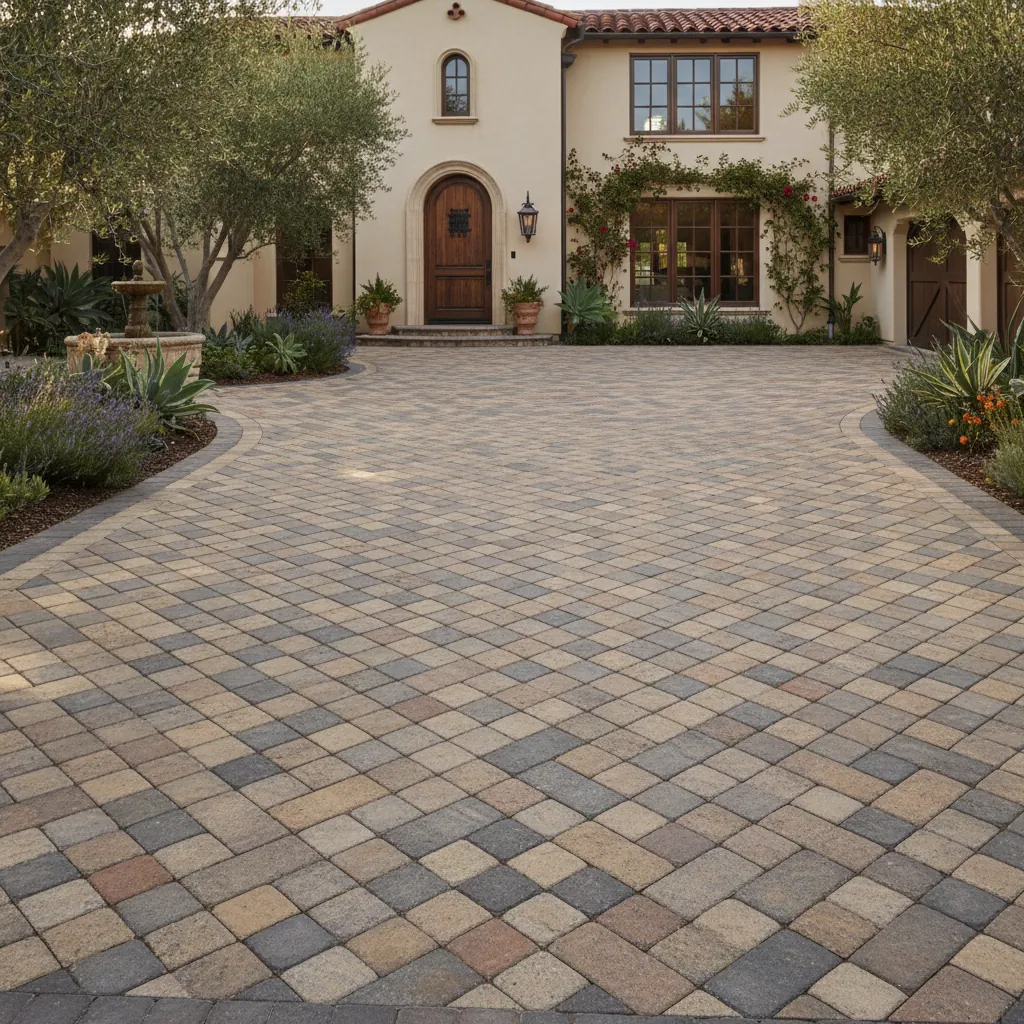
Rocky soil and slopes raise prep costs.
Reclaimed brick adds cost but suits historic homes.
Thicker base for vehicles.
Deeper base lets rain soak in.
Typical market ranges for the Greater Los Angeles area, not a quote or a guarantee. The price of your job depends on its scope, so ask each pro for a written estimate before you decide.
Pavers suit Monrovia's older homes. A brick walk up to a Craftsman porch or a clay paver patio behind a Victorian looks like it belongs, and plain concrete rarely does. Pavers also work well on the sloped foothill lots near the canyons, where a stepped patio can create usable flat space. We connect 91016 homeowners with local paver installers.
Monrovia sits on alluvial soils that wash down from the San Gabriel Mountains.
They often drain well but can include cobbles and loose fill that need excavation and compaction before a base goes in. On sloped lots, edge restraints and stepped levels keep pavers from creeping downhill, and runoff from above needs a path around the patio. Permeable pavers let rain soak in instead of running to the street. Owners of homes on the city's historic register should ask whether a new front walk or driveway needs review before work starts.
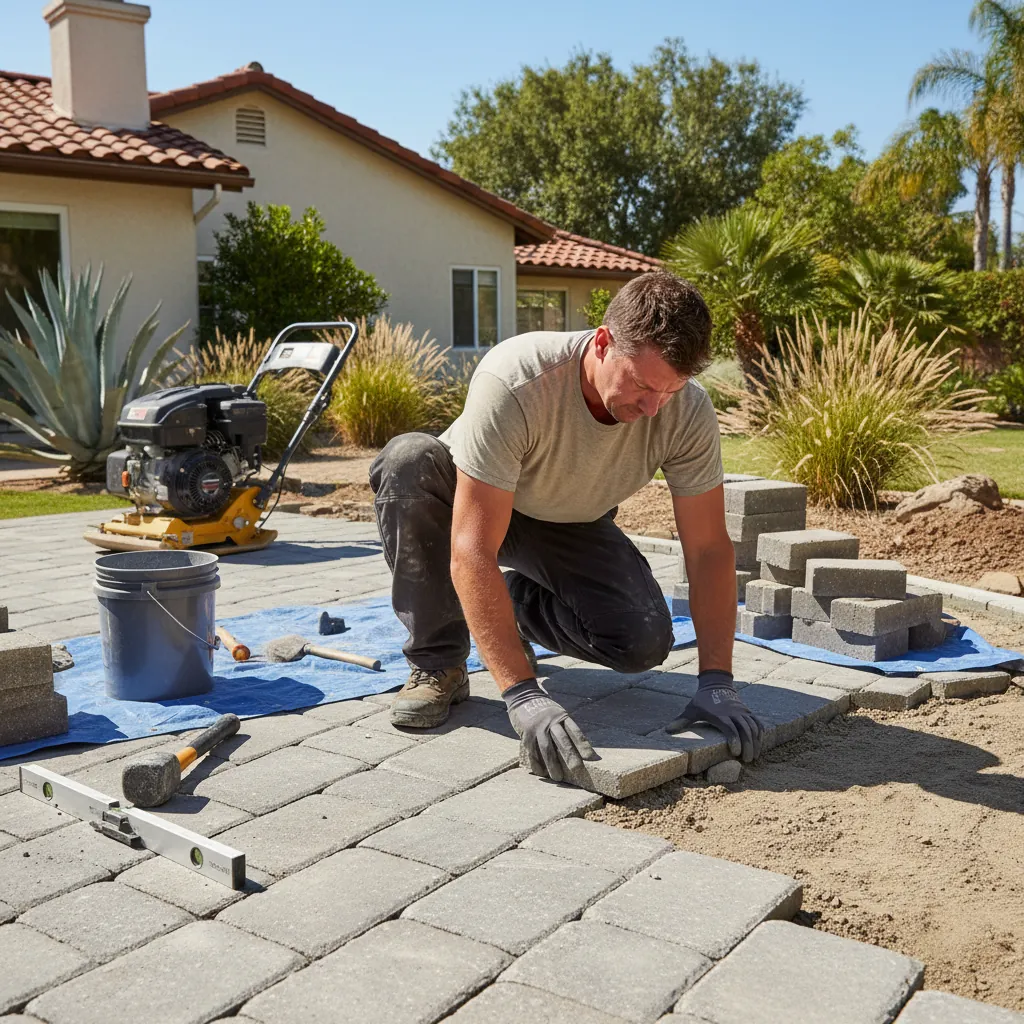
Site visit to measure, check slope and drainage, and confirm any historic review.
Design with paver style, pattern, borders, and any steps.
Excavation, rock removal, and haul-off.
Compacted base, edge restraints, and drainage where needed.
Bedding layer, paver installation, cuts, and joint sand.
Final compaction, cleanup, and care instructions.
ContractorPro.Leads doesn't do the work itself. We pass your Monrovia project to up to four local paver installers who take this kind of job, and you decide whether to hire any of them.
Paver projects in Monrovia range from restoring a brick front walk near Old Town to laying a large patio behind a ranch house south of Foothill Boulevard. Owners near Monrovia Canyon Park often want stone-look pavers that blend with the mountains behind them. Installers here also see a lot of driveway work, since many older homes have narrow strip driveways leading to a detached garage at the back of the lot.
Tell us what you have in mind. We'll pass it to up to four local pros, and they'll contact you to talk it through.
Most flat patios do not. Retaining walls, driveway approaches, and changes on historic properties may need city approval, so check with the Building Division.
Brick, clay, or tumbled concrete pavers in warm tones usually fit best. Herringbone and running bond patterns are traditional.
They help manage runoff on sloped or low lots and suit water-conscious landscapes. They cost more because the base is deeper.
Small walks and patios take a few days. Larger patios and driveways usually take one to two weeks.
Sometimes, using thin pavers set on the slab, if the concrete is flat, sound, and drains. Cracked or heaved slabs should come out first, or the cracks will show through.
