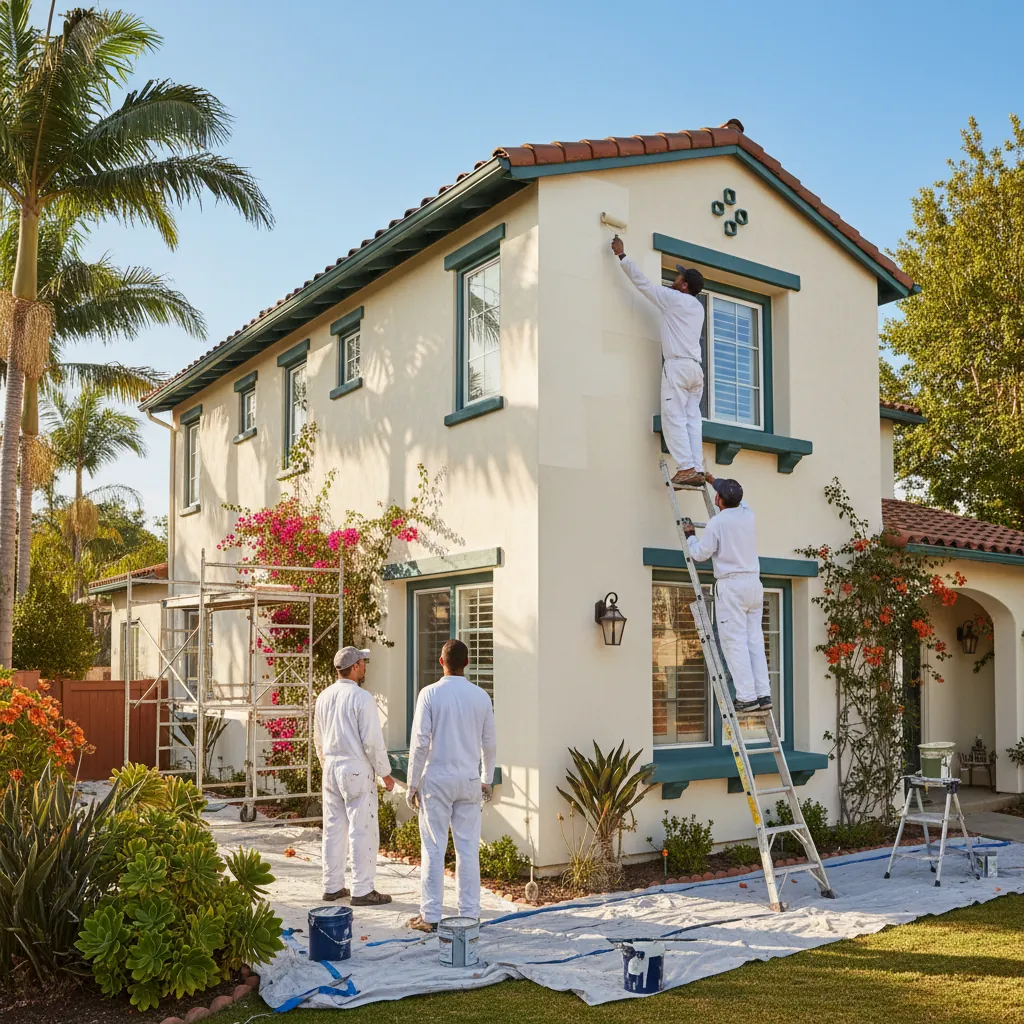
Typical San Marino costs, permit steps and timelines are below. When you are ready, describe your project and up to four local exterior painters serving San Marino will contact you. You compare and decide.
Preserving the architectural heritage of San Marino requires a specialized touch, whether you own a historic Mediterranean revival or a stately colonial home. The neighborhood's quiet, tree-lined streets demand flawless curb appeal that respects the community's exceptionally high aesthetic standards. We connect you with local painting professionals who understand how to protect and beautify these premium properties.
San Marino's alluvial soil can cause subtle shifting in older homes built on raised foundations, leading to hairline stucco cracks that invite moisture.
Compounding this, the intense inland summer sun breaks down cheap binders, while heavy shade from mature oaks near Lacy Park fosters damp microclimates. A proper paint job here must address these specific structural movements and climatic shifts with high-elastomeric primers and UV-resistant topcoats that prevent premature chalking and peeling.
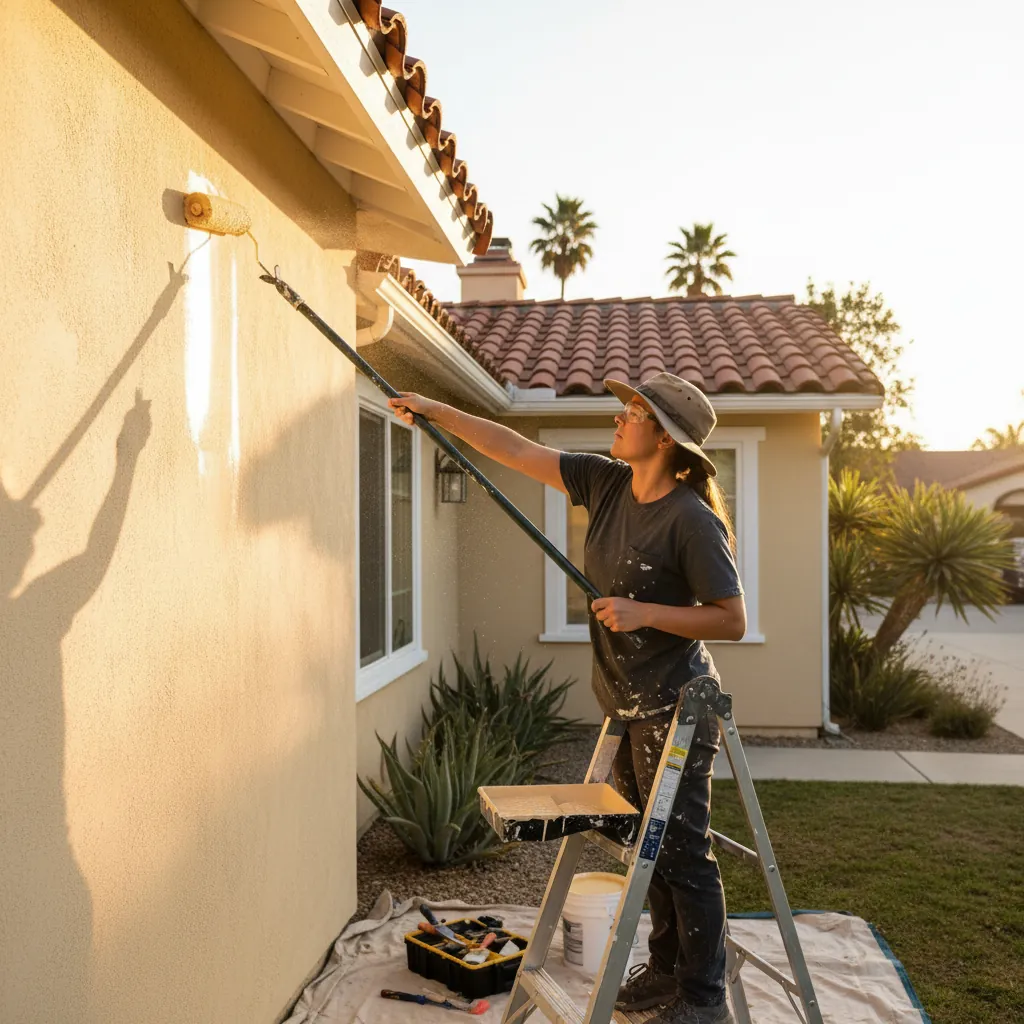
Ideal for mid-sized single-story homes. Price varies based on the amount of wood trim prep and crack repair needed.
Typical for two-story homes in San Marino. Often requires extensive scaffolding, detailed wood trim work, and multi-day prep.
Reflects the meticulous prep work and multi-color schemes required for historic Mediterranean or Colonial Revival estates.
Typical market ranges for the Greater Los Angeles area, not a quote or a guarantee. The price of your job depends on its scope, so ask each pro for a written estimate before you decide. Bars share one scale, so you can compare project sizes.
Detailed inspection of stucco and wood trim for settlement cracks and dry rot
Thorough pressure washing using eco-friendly runoff management to protect local landscape
Scraping, sanding, and patch-repairing damaged plaster, wood, or stucco surfaces
Application of a high-quality masonry or elastomeric primer to seal settling cracks
Precision application of two coats of premium UV-resistant exterior paint
Final walkthrough and meticulous clean-up of the surrounding landscaped grounds
ContractorPro.Leads doesn't do the work itself. We pass your San Marino project to up to four local exterior painters who take this kind of job, and you decide whether to hire any of them.
From the grand estates lining the canopy of Huntington Drive to the historic residences surrounding The Huntington Library, San Marino’s homes are architectural treasures. Maintaining these properties requires an eye for historic color palettes and strict adherence to local design guidelines. Local contractors familiar with the area ensure your home's exterior complements the lush, manicured landscape that defines this peaceful community.
Tell us what you have in mind. We'll pass it to up to four local pros, and they'll contact you to talk it through.
Simple repainting using the exact same colors does not require a permit. However, if you are planning a significant color change, you should consult the City of San Marino Planning & Building Department, as certain modifications require Design Review Committee approval to maintain the neighborhood's aesthetic harmony.
The combination of hot inland summer sun and morning dew accelerates paint oxidation. South- and west-facing walls degrade fastest. Using premium, UV-stable 100% acrylic paints ensures your finish lasts 8 to 12 years instead of chalking prematurely.
Local contractors use elastomeric patches and high-build primers designed to stretch and bridge hairline cracks caused by the seasonal expansion and contraction of our alluvial soils under raised foundations.
Yes, San Marino enforces strict stormwater management rules. Professional painters use water containment and filtration techniques during the pressure-washing phase to prevent paint chips and wash-water from entering the local storm drains.
Spring (March to June) and fall (September to November) offer the most stable, moderate temperatures. We avoid painting during mid-summer heatwaves, as ambient temperatures above 90 degrees can cause paint to dry too quickly, compromising adhesion.
