Your request goes to up to four local pros serving San Marino. Before any of them can receive it, we check their license where the work requires one, their business address.
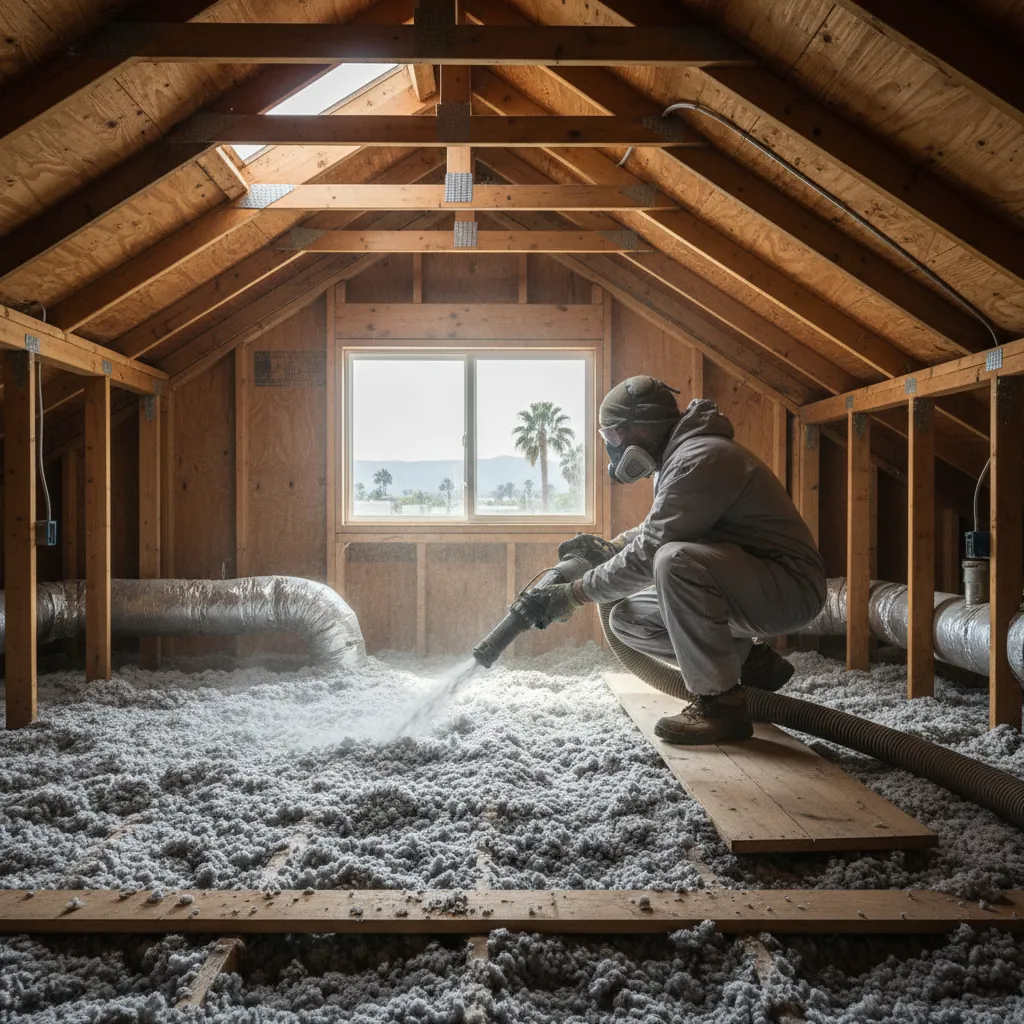
Maintaining a stable, comfortable indoor climate in San Marino requires insulation that can handle our signature hot inland summers and damp winter mornings. Many of the historic, grand properties in our community feature older architectural styles that lack modern thermal barriers, leading to overworked HVAC systems. Connecting with independent, licensed (CSLB) and insured pros—with license and insurance checked on file—ensures your home's unique structure is upgraded safely and efficiently.
Because San Marino features gently sloping terrain with alluvial soils, many of the area's historic estates sit on raised foundations with open crawl spaces. This allows dampness from the soil to rise, which, when combined with high summer heat, can cause subfloor moisture issues and degrade outdated floor insulation. Properly sealing and insulating these crawl spaces, alongside targeted attic retrofits, is crucial to prevent structural damage and maintain indoor air quality in this specific microclimate.
| Project | Typical range | What affects it locally |
|---|---|---|
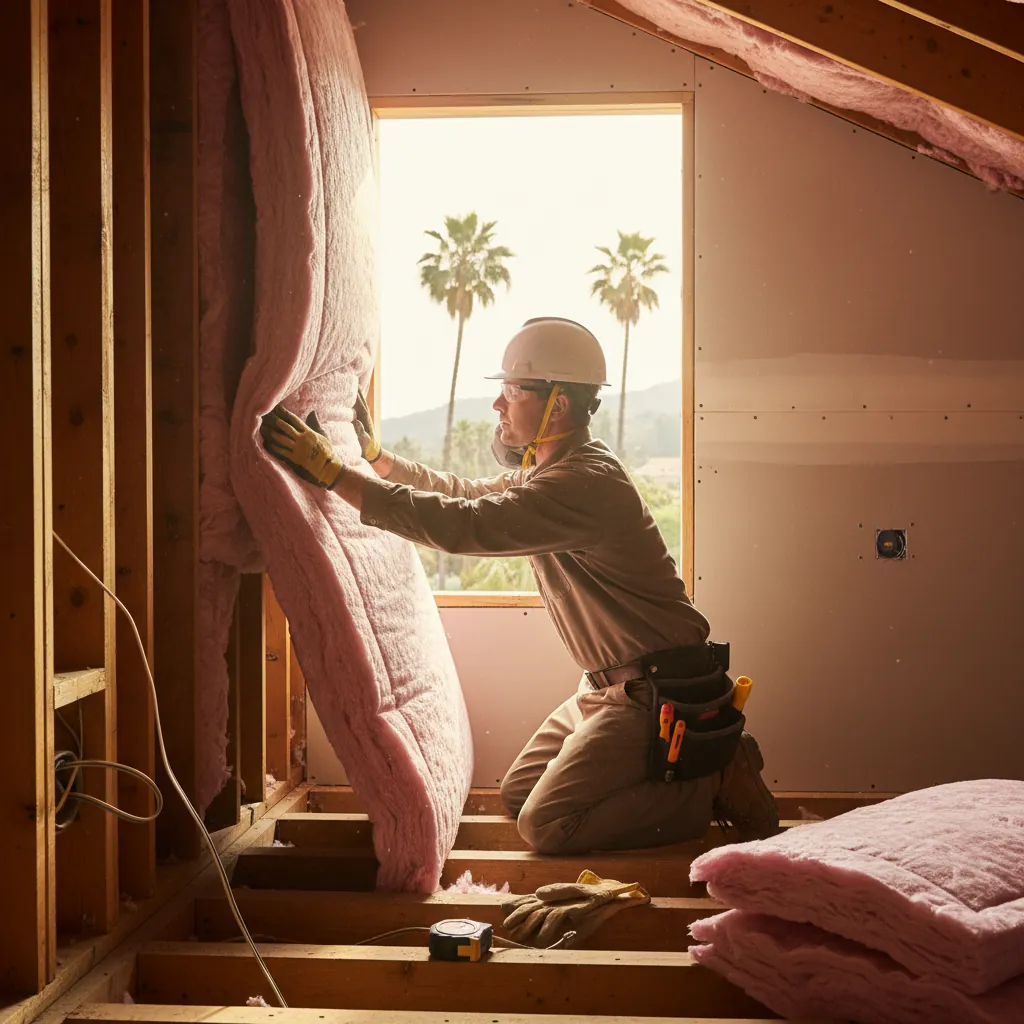
| Attic Insulation Retrofit (Fiberglass or Cellulose) | $2,500 - $6,000 | Cost depends heavily on the square footage of the attic and whether old, degraded insulation must be vacuumed out first. |
| Crawl Space Vapor Barrier & Insulation | $3,000 - $7,500 | Crucial for San Marino's raised foundations on alluvial soils to block moisture migration and insulate the floorboards. |
| Wall Injection Insulation | $4,000 - $9,000 | Ideal for historic lath-and-plaster homes where opening drywall is not an option; preserves original interior finishes. |
Typical market ranges for the Greater Los Angeles area, not a quote or a guarantee. The price of your job depends on its scope, so ask each pro for a written estimate before you decide.
ContractorPro.Leads doesn't do the work itself. We match San Marino homeowners with local companies, and a company has to pass these checks before it can receive any request.
These checks show the records as they stood when we reviewed them. Before you sign anything, look up the license yourself at cslb.ca.gov and ask the company for a current insurance certificate.
Whether your home is a historic estate near the sprawling, tree-lined grounds of The Huntington Library, a classic property tucked away near Lacy Park, or a residence closer to the bustling Huntington Drive corridor, local architectural preservation is a key consideration. Contractors in our network specialize in retrofitting these magnificent homes without disturbing their historic plaster walls or exterior aesthetics.
All home services in San Marino
ZIP code we cover in San Marino: 91108 See every neighborhood we serve
Tell us what you have in mind. We'll pass it to up to four checked local pros, and they'll contact you to talk it through.
Tell us about your projectMinor insulation replacements typically do not require a permit. However, major structural retrofits, wall insulation, or alterations to your attic ventilation must be coordinated with the City of San Marino Planning & Building Department to ensure compliance with California Title 24 standards.
Since many local homes feature raised foundations over alluvial soils, moisture can easily rise into the subfloor. Contractors usually recommend combining under-floor insulation with a durable vapor barrier to protect historic hardwoods and prevent mold.
Yes, homeowners in the 91108 ZIP code can often take advantage of energy efficiency rebates through Southern California Edison (SCE) or SoCalGas, as well as federal tax credits under the Energy Efficient Home Improvement Credit.
Spring and autumn are the ideal times. Upgrading before the hot inland summer ensures your air conditioning doesn't overwork, while avoiding the mid-summer heat makes the attic installation safer and faster for the technicians.
No, when handled by specialized local contractors. They use a minimally invasive 'drill and fill' method from either the exterior or interior, plugging the small access holes seamlessly to preserve your home’s architectural integrity.
