Typical Highland Park costs, permit steps and timelines are below. When you are ready, describe your project and up to four local insulation contractors serving Highland Park will contact you. You compare and decide.
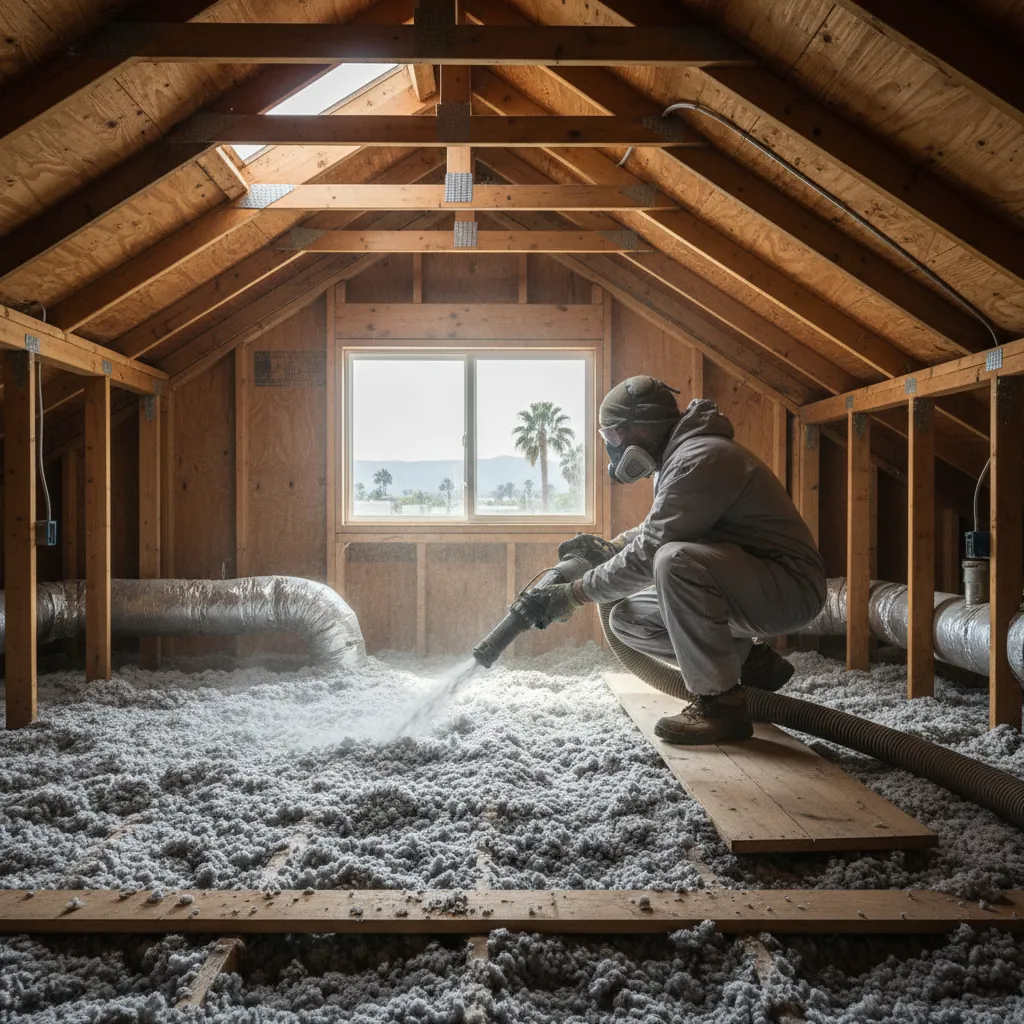
Highland Park spreads across the Arroyo Seco valley and its hillsides, with hot, dry summers and mild winters. Many of its Craftsman bungalows and early twentieth-century homes were built with no insulation in the exterior walls, so rooms heat up through the afternoon and lose warmth quickly on cool nights. Wall insulation in these homes is usually blown in through small holes drilled from outside or inside and then patched, which leaves the original siding and plaster in place. Roof and attic insulation is the other half of the job and is often done at the same time. A request through this page goes to up to four local insulation contractors who serve Highland Park and contact you directly.
In the Arroyo Seco valley and surrounding hillsides of Highland Park, hot air pools during the dry summer months, radiating intense heat directly through uninsulated rooflines.
Conversely, the neighborhood's unique topography brings damp, chilly drafts up the hillsides on winter nights. Because many of the area's older homes feature uninsulated lath-and-plaster walls and open attic spaces, proper thermal barriers are essential to buffer against these sharp local microclimate shifts.
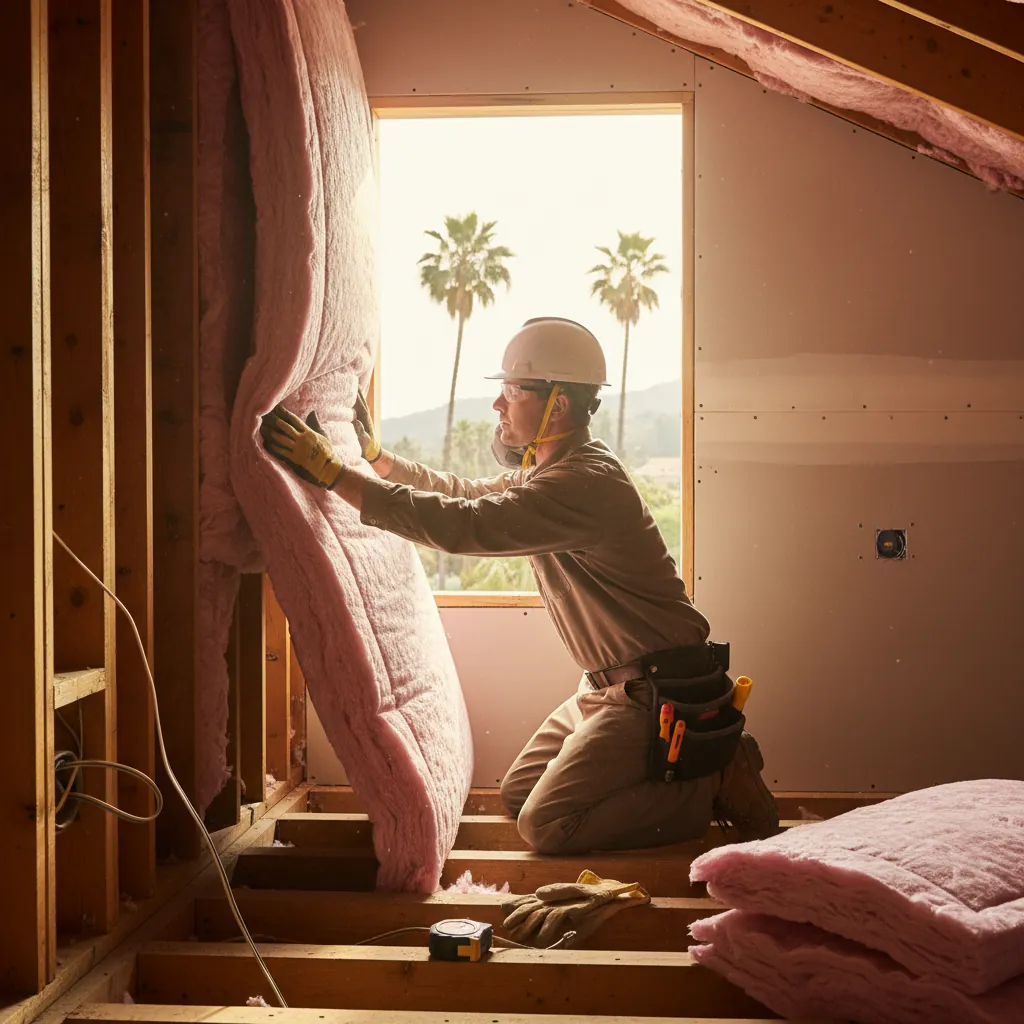
Based on a typical 1,200 to 1,800 sq ft bungalow; prices vary depending on the desired R-value and attic accessibility.
Highly recommended for historic plaster walls common near Figueroa St to add insulation without removing drywall.
Crucial for hillside homes with raised foundations to prevent cold drafts from rising through the floorboards.
Typical market ranges for the Greater Los Angeles area, not a quote or a guarantee. The price of your job depends on its scope, so ask each pro for a written estimate before you decide. Bars share one scale, so you can compare project sizes.
Comprehensive on-site attic and crawl space thermal inspection
Removal and safe disposal of old, degraded, or pest-damaged insulation
Air sealing of gaps around electrical wiring, plumbing, and recessed lighting
Installation of high-efficiency fiberglass, cellulose, or spray foam insulation
Post-installation ventilation check to ensure optimal attic airflow and prevent moisture retention
ContractorPro.Leads doesn't do the work itself. We pass your Highland Park project to up to four local insulation contractors who take this kind of job, and you decide whether to hire any of them.
From the historic Craftsman homes near Sycamore Grove Park to the bungalows stretching along the vibrant York Blvd and Figueroa St corridors, Highland Park's architectural diversity requires specialized care. Older properties built before modern energy codes need insulation retrofits that preserve their classic charm while maximizing thermal efficiency. Local contractors in our network specialize in accessing tight attic spaces and crawl spaces typical of these hillside residences without disrupting their structural integrity.
All home services in Highland Park
More planning guides for Highland Park and nearby: insulation contractors in Eagle Rock, insulation contractors in Mount Washington, electricians in Highland Park and HVAC contractors in Highland Park.
Tell us what you have in mind. We'll pass it to up to four local pros, and they'll contact you to talk it through.
In finished walls, the usual method is dense-pack blown-in insulation. The installer drills small holes in each stud bay, from the exterior siding or the interior plaster, fills the cavity with cellulose or fiberglass, and then plugs and patches the holes. Fire blocking inside older walls can split a bay into sections, so a good crew checks each one. Ask how they will match and touch up the siding or plaster afterward.
Older homes can have knob-and-tube wiring inside the walls, which should not be buried in insulation until an electrician has inspected or replaced it. The crew should also look for leaks, rot or missing siding so moisture is not trapped in the wall. In homes built before the late seventies, testing plaster and paint for lead or asbestos before drilling is a sensible step.
In most single-story homes the attic or roof is where the most heat comes in during a hot Highland Park summer, so roof and attic insulation is often the first and least disruptive upgrade. Wall insulation adds comfort in rooms that still swing between hot and cold. Many homeowners ask contractors to price both and stage the work, starting with air sealing and the attic.
Generally, simple retrofits of blown-in attic insulation do not require a permit from the Los Angeles Dept. of Building and Safety (LADBS). However, if your insulation project involves structural wall alterations or major remodeling, a permit may be necessary. Local contractors can guide you through the current LADBS requirements.
Yes, the Los Angeles Department of Water and Power (LADWP) offers attractive rebates for homeowners who upgrade their attic insulation to meet modern energy efficiency levels. The local contractors we connect you with can provide the necessary documentation to help you apply.
For classic Craftsman and Spanish Revival homes, blown-in cellulose or fiberglass is typically best for attics. For walls, the 'drill-and-fill' method using dense-pack cellulose is highly effective because it insulates the wall cavities without damaging historic exterior siding or interior lath-and-plaster.
Most attic insulation retrofits for Highland Park homes can be completed in a single day. Larger projects that involve removing old insulation and performing comprehensive air sealing may take two to three days.
Highland Park experiences intense, dry summer heat that bakes roofs for hours. Without adequate attic insulation, this heat radiates directly into your living spaces, forcing your air conditioner to run constantly. Upgrading insulation creates a thermal barrier that keeps your home naturally cooler.
