Your request goes to up to four local pros serving South Pasadena. Before any of them can receive it, we check their license where the work requires one, their business address.
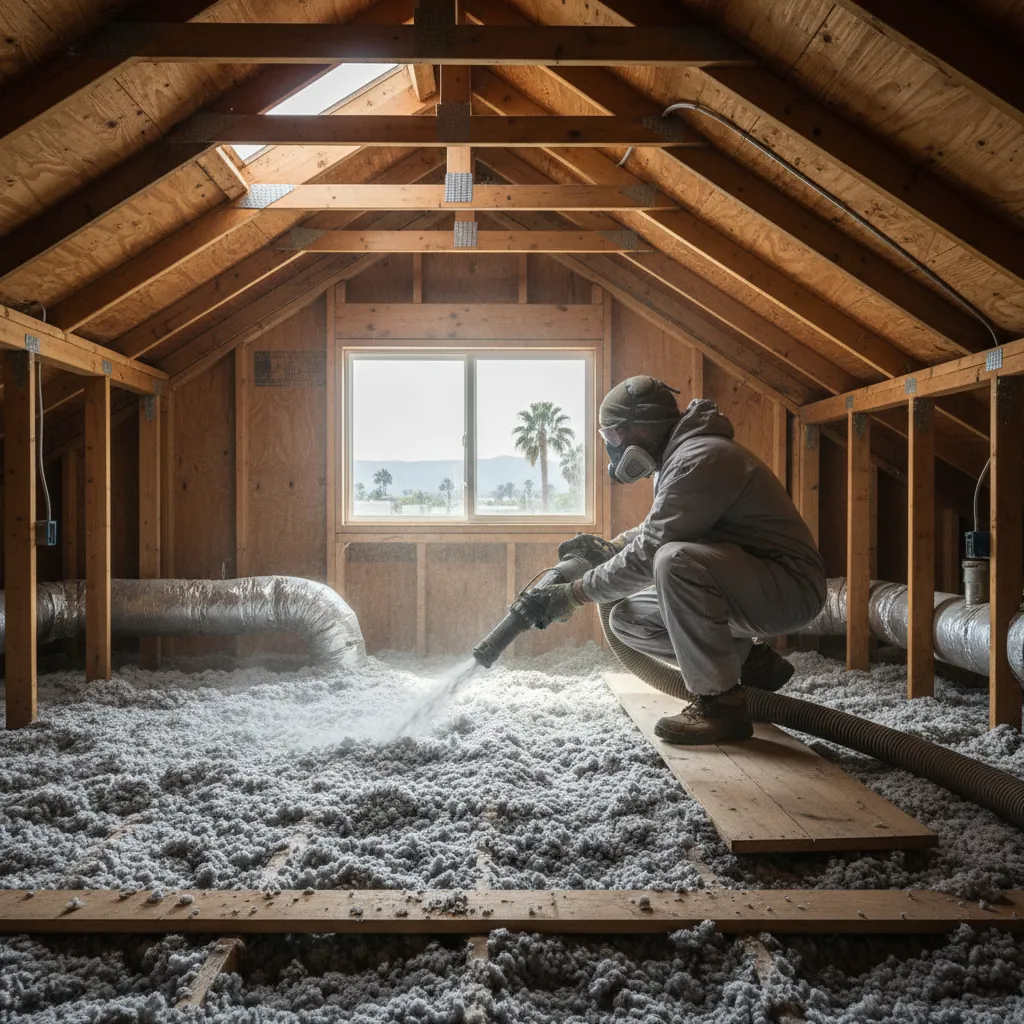
Preserving the comfort and structural integrity of South Pasadena's iconic character homes requires a thoughtful approach to thermal efficiency. We connect you with independent insulation pros who are licensed (CSLB) and insured, with license and insurance checked on file, ensuring your project is handled with care. From historic Craftsman bungalows to modern hillside properties, upgrading your insulation is the key to lasting indoor comfort.
Situated on the gently sloping land between Pasadena and the Arroyo Seco, South Pasadena homes rest on alluvial soils that naturally shift and settle, occasionally creating subtle gaps in crawlspaces and floorboards. Our climate of hot, dry summers puts immense stress on older HVAC systems, while mild winters can still allow damp ground moisture to rise into your living spaces. Upgrading your insulation under the standards of the City of South Pasadena Building Division is essential to block extreme seasonal heat and protect historic building materials from moisture damage.
| Project | Typical range | What affects it locally |
|---|---|---|
| Attic Air Sealing & Blown-In Insulation | $2,500 - $5,800 | Typical for classic South Pasadena attics; pricing depends on attic accessibility, framing style, and the depth of existing material to be removed. |
| Crawlspace Vapor Barrier & Floor Insulation | $1,900 - $3,900 | Highly recommended for raised-foundation homes near the Arroyo Seco to block rising moisture from the alluvial soil. |
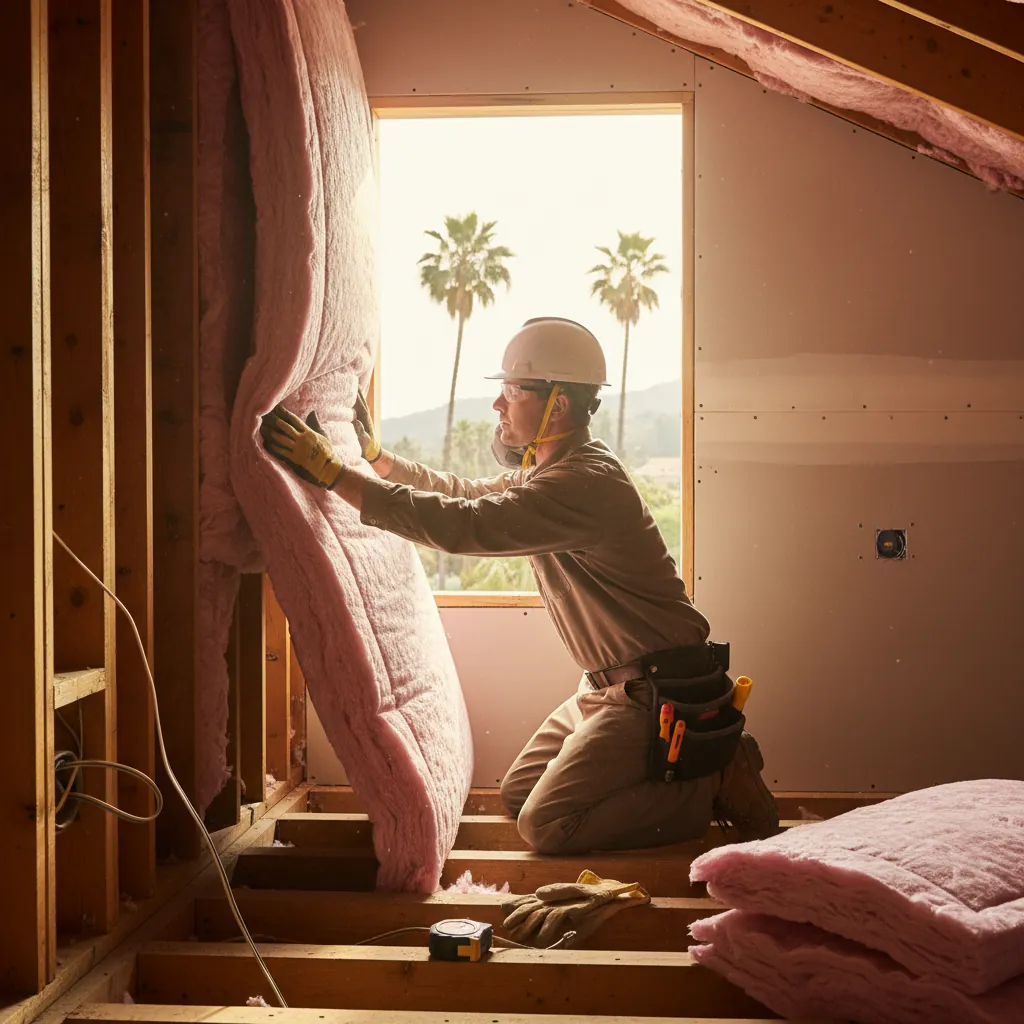
| Wall Cavity Retrofit (Dense-Pack Cellulose) | $3,200 - $6,800 | An ideal non-invasive solution for historic lath-and-plaster walls, filling empty cavities without tearing down plaster. |
Typical market ranges for the Greater Los Angeles area, not a quote or a guarantee. The price of your job depends on its scope, so ask each pro for a written estimate before you decide.
ContractorPro.Leads doesn't do the work itself. We match South Pasadena homeowners with local companies, and a company has to pass these checks before it can receive any request.
These checks show the records as they stood when we reviewed them. Before you sign anything, look up the license yourself at cslb.ca.gov and ask the company for a current insurance certificate.
Whether your property is located blocks from the historic storefronts along Mission St, near the busy commercial corridor of Fair Oaks Ave, or tucked away on a quiet street near Garfield Park, local climate demands require a robust thermal barrier. Older homes in these mature neighborhoods often feature uninsulated wall cavities and degraded attic materials that cannot keep pace with Southern California's summer peaks. Upgrading your home's thermal envelope not only lowers cooling demands but also dampens street noise from our active corridors, restoring peace and quiet to your home.
All home services in South Pasadena
ZIP code we cover in South Pasadena: 91030 See every neighborhood we serve
Tell us what you have in mind. We'll pass it to up to four checked local pros, and they'll contact you to talk it through.
Tell us about your projectSimple insulation top-offs do not always require a permit, but comprehensive retrofits—especially those involving structural alterations, wall openings, or fire-blocking—require a permit from the City of South Pasadena Building Division to ensure safety and code compliance.
For straightforward residential insulation and energy upgrades, the permit review and approval process through the City of South Pasadena Building Division typically takes between 3 to 10 business days.
Yes. South Pasadena homeowners can frequently take advantage of regional energy-efficiency rebates offered by Southern California Edison (SCE) and SoCalGas, as well as state-level programs like the Golden State Rebates.
Blown-in cellulose is highly recommended for historic Craftsman homes. It can be densely packed into existing wall cavities through small, easily patched exterior ports, preserving the original interior woodwork and plaster while dramatically reducing heat transfer.
Our hot, dry summers cause attic spaces to superheat, radiating warmth down through the ceiling long after the sun sets. High-R-value attic insulation combined with active air sealing is critical to prevent this radiant heat transfer and keep your living spaces cool.
