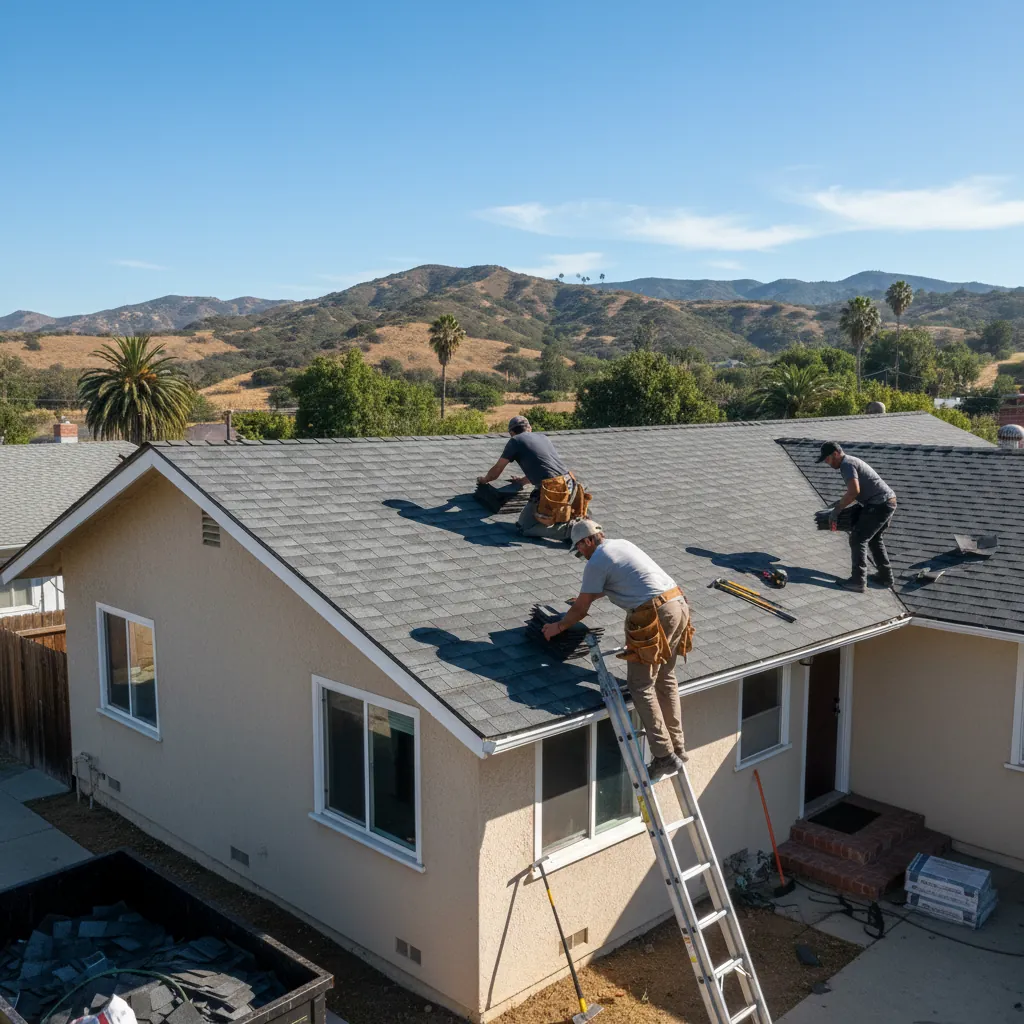
Typical South Pasadena costs, permit steps and timelines are below. When you are ready, describe your project and up to four local roofers serving South Pasadena will contact you. You compare and decide.
Preserving the architectural integrity of South Pasadena homes requires a deep understanding of our local climate and historic building styles. Whether you live in a classic Craftsman near Garfield Park or a mid-century home near the Arroyo Seco, we connect you with professional roofing contractors who specialize in safeguarding local properties.
South Pasadena's position on the gently sloping alluvial soils between Pasadena and the Arroyo Seco can lead to subtle, natural foundation settling over the decades, which translates to shifting stress on roof framing.
Combined with intense UV exposure during our hot, dry summers and occasional heavy winter downpours, roofing materials here experience rapid thermal expansion and contraction. Without expert installation and ventilation, this unique climate-and-terrain combination can cause premature shingle cracking, flashing separation, and hidden moisture issues.
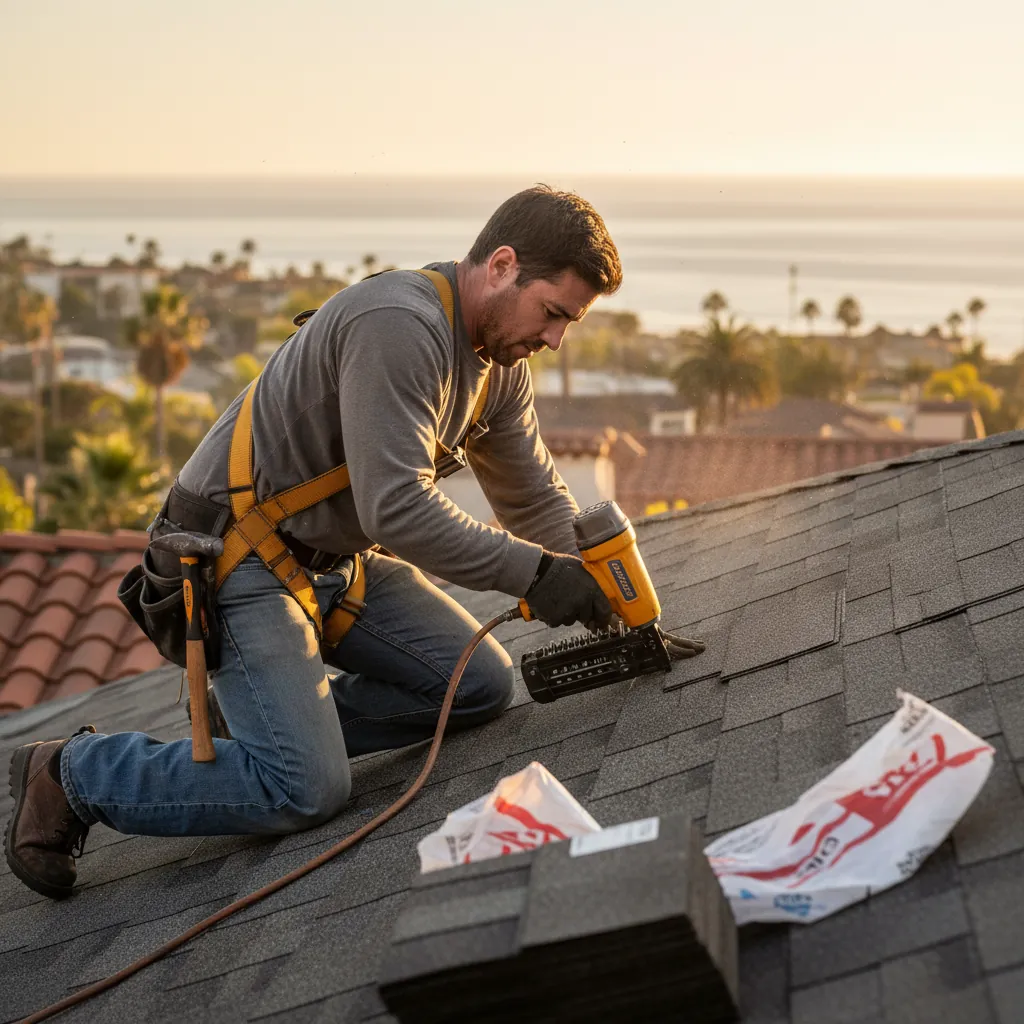
Common for addressing localized damage around valleys, chimney flashing, or areas affected by tree debris.
Cost varies based on roof pitch, complexity, and the use of Title 24-compliant reflective cool shingles.
Reflects the material and labor costs for Mediterranean or Spanish-style homes, including necessary structural reinforcement.
Typical for mid-century modern homes or rear additions with low-slope profiles.
Typical market ranges for the Greater Los Angeles area, not a quote or a guarantee. The price of your job depends on its scope, so ask each pro for a written estimate before you decide. Bars share one scale, so you can compare project sizes.
Initial structural inspection of the roof deck, framing, and attic ventilation
Complete removal of old roofing materials down to the wood deck
Reinforcement of roof decking and repair of any dry rot or structural damage
Installation of high-grade underlayment and ice/water seals in vulnerable valleys
Application of primary roofing material conforming to local architectural guidelines
Final inspection and cleanup, ensuring compliance with South Pasadena standards
ContractorPro.Leads doesn't do the work itself. We pass your South Pasadena project to up to four local roofers who take this kind of job, and you decide whether to hire any of them.
From the historic commercial corridors along Mission Street and Fair Oaks Avenue to the quiet, tree-shaded residential avenues surrounding Garfield Park, South Pasadena's architectural heritage is irreplaceable. The neighborhood’s iconic, dense canopy of mature oak and sycamore trees provides beautiful shade but also drops organic debris that can clog gutters and trap moisture on roof surfaces. Working with local specialists who understand the specific needs of these historic homes—including strict local preservation standards—is essential to maintaining both structural safety and neighborhood character.
Tell us what you have in mind. We'll pass it to up to four local pros, and they'll contact you to talk it through.
Permit review times with the City of South Pasadena Building Division typically range from a few days for standard residential re-roofs to a couple of weeks if the property is located in an architectural or historic overlay zone. Local contractors are familiar with the division's submittal requirements.
Yes, under California Title 24 energy standards, major roof replacements in South Pasadena must meet specific solar reflectance criteria (cool roofs) to help reduce urban heat island effects and lower home energy consumption.
Our beautiful tree canopy, especially near Garfield Park, drops leaves, twigs, and organic matter. When left on the roof, this debris traps moisture from winter rains and morning dew, accelerating wood rot and shingle decay. Regular gutter cleaning and low-pressure roof clearing are highly recommended.
Clay tiles are exceptionally durable, fire-resistant, and historically accurate for Spanish-style homes in the area. However, because clay is heavy and our local alluvial soil can allow minor settling, a professional structural assessment is necessary to ensure your roof framing can safely support the load.
The dry months between late spring and early autumn are ideal for major roof replacements to avoid unexpected rain delays. However, booking an inspection in late summer ensures any vulnerabilities are repaired before the winter rains arrive.
