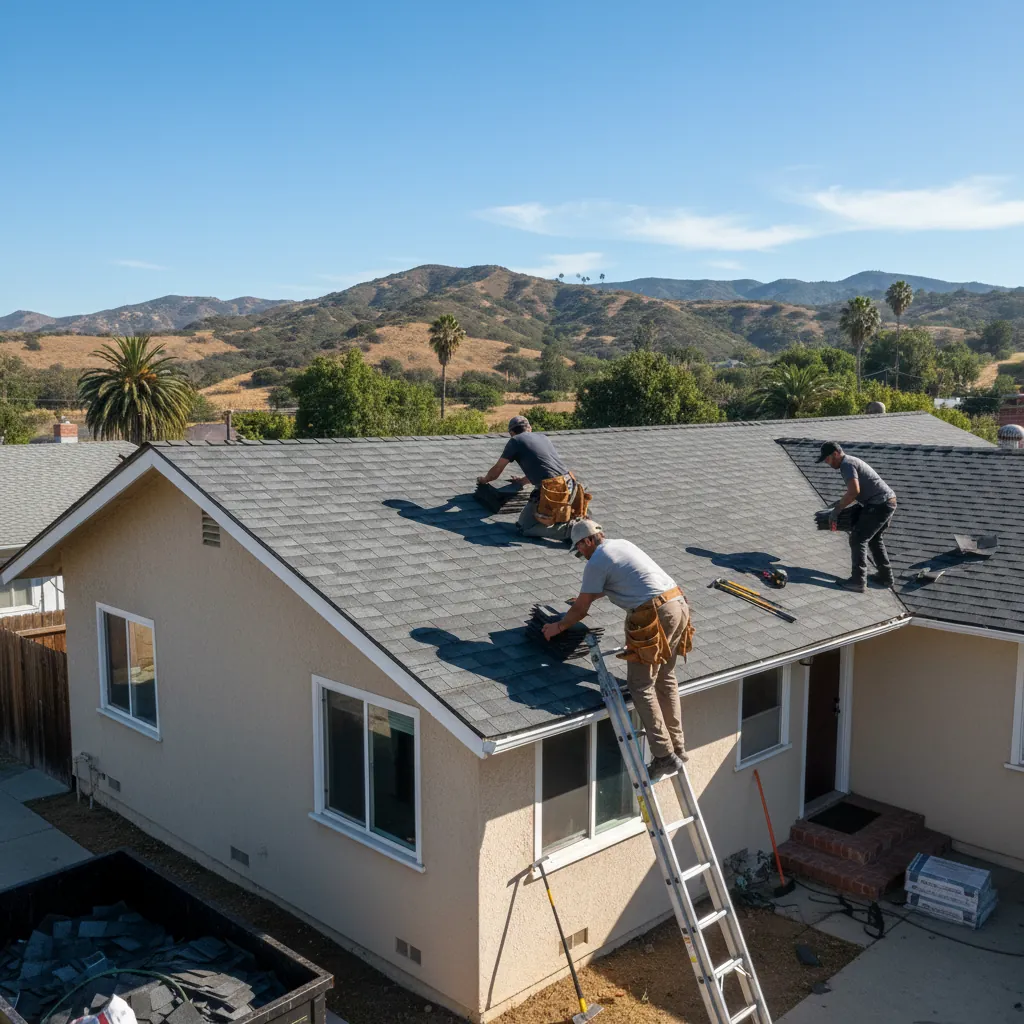
Typical Eagle Rock costs, permit steps and timelines are below. When you are ready, describe your project and up to four local roofers serving Eagle Rock will contact you. You compare and decide.
Whether you own a historic craftsman near Occidental College or a mid-century home tucked into the San Rafael Hills, maintaining a resilient roof is vital. We connect you with local roofing professionals who understand the unique structural and climate demands of the 90041 ZIP code. Get paired with local contractors who can safeguard your property against intense Southern California sun and seasonal winds.
In Eagle Rock's hillside neighborhoods, roofing projects require careful coordination with structural limits.
Homes built on the rocky hillside soils of the San Rafael Hills often rely on engineered grading and retaining walls; adding a heavy roof, like traditional clay tile, requires a precise understanding of these structural foundations to ensure stability on sloped lots. Furthermore, because much of this area lies within a designated Very High Fire Hazard Severity Zone, any new roof installation must strictly prioritize Class A fire-resistant materials capable of withstanding intense summer heat and wind-blown embers.
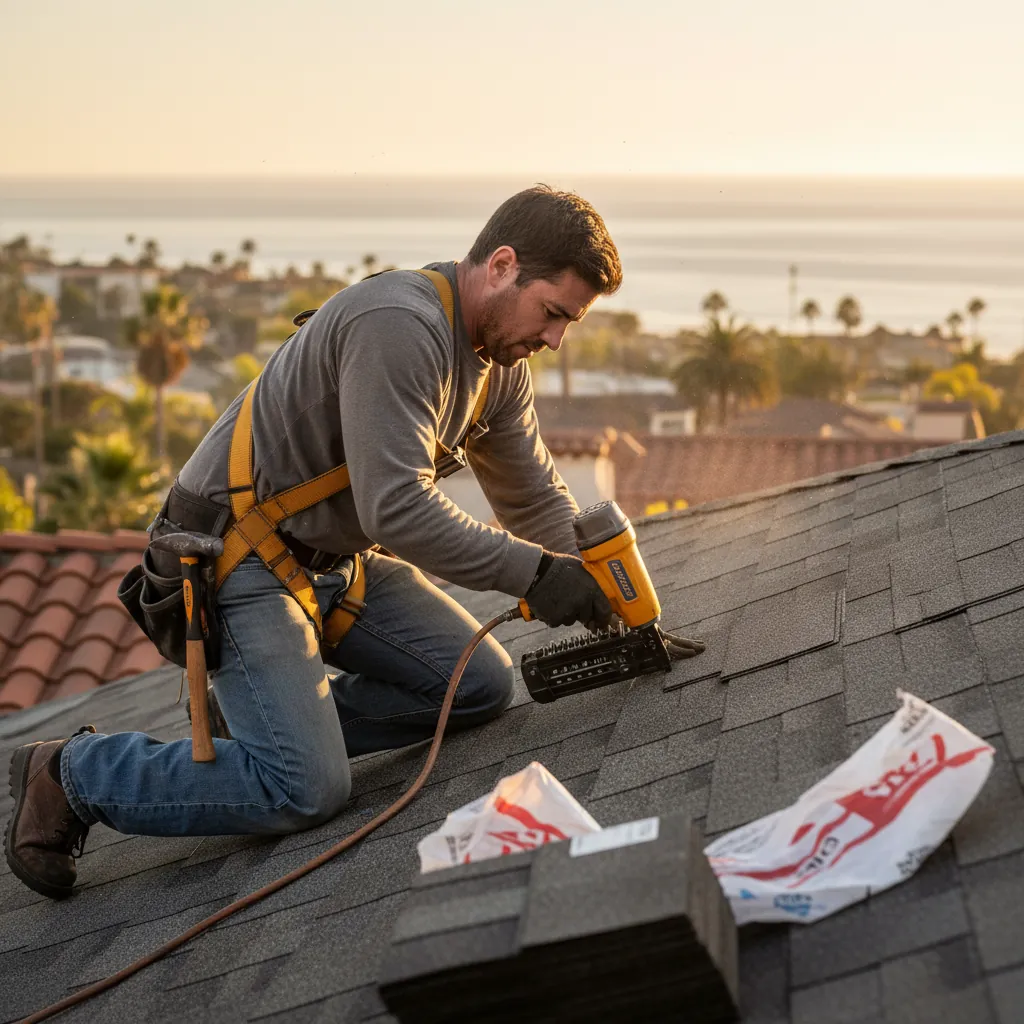
Standard architectural shingles meeting Cool Roof standards; pricing varies based on roof pitch and ease of access on sloped lots.
High durability and fire resistance, but requires structural engineering verification due to weight, especially on hillside foundations.
Common for mid-century modern homes in the area; reflective coatings help meet California Title 24 standards.
Typical market ranges for the Greater Los Angeles area, not a quote or a guarantee. The price of your job depends on its scope, so ask each pro for a written estimate before you decide. Bars share one scale, so you can compare project sizes.
Initial roof inspection and structural load assessment for hillside stability.
Selection of Class A fire-rated and LADWP-eligible Cool Roof materials.
Permit acquisition through the Los Angeles Department of Building and Safety (LADBS).
Safe material staging and scaffolding setup tailored to sloped Eagle Rock lots.
Complete tear-off of old materials and underlayment installation.
Precision installation of new roofing, flashing, and ridge ventilation.
Final cleanup and LADBS code-compliance inspection.
ContractorPro.Leads doesn't do the work itself. We pass your Eagle Rock project to up to four local roofers who take this kind of job, and you decide whether to hire any of them.
From the vibrant commercial stretches along Colorado Boulevard and Eagle Rock Boulevard to the quiet, tree-lined residential streets surrounding Occidental College, Eagle Rock features a diverse mix of architectural styles. Navigating the narrow, winding hillside roads of the San Rafael Hills requires local roofing crews who know how to safely transport heavy materials and set up staging without disrupting the neighborhood.
Tell us what you have in mind. We'll pass it to up to four local pros, and they'll contact you to talk it through.
Because parts of Eagle Rock and the San Rafael Hills are in Very High Fire Hazard Severity Zones, the City of Los Angeles mandates Class A fire-rated roofing materials. Local contractors can help you choose compliant materials, such as specific asphalt shingles, metal roofing, or clay tiles, that offer maximum defense against embers.
Yes. The Los Angeles Department of Building and Safety (LADBS) requires a permit for all reroofing projects. The independent contractors we connect you with will handle the permit pull and ensure the final installation passes the city's safety inspection.
Yes, Eagle Rock residents are served by LADWP, which offers cash rebates for installing certified Cool Roofs. These highly reflective roofs bounce solar heat away from your home, lowering cooling costs and qualifying you for utility incentives.
Hillside properties in the San Rafael Hills often have limited street access and steep driveways. Contractors must carefully plan material delivery and staging, sometimes requiring smaller delivery trucks or specialized hoisting equipment to navigate narrow, winding roads safely.
The dry summer and autumn months are ideal for avoiding rain delays, but local crews must monitor extreme heat and wildfire risks. Scheduling your project in late winter or early spring often provides mild weather and more flexible contractor availability.
