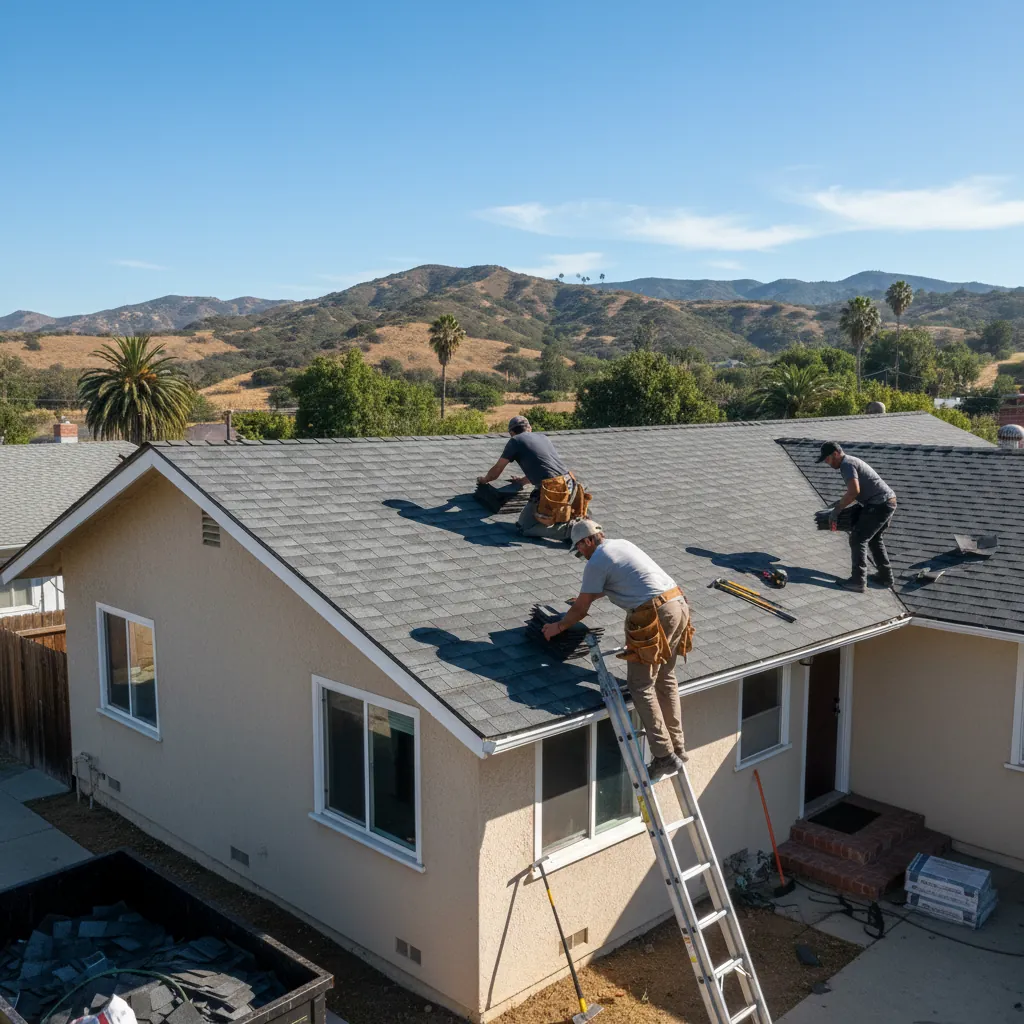
Typical Mount Washington costs, permit steps and timelines are below. When you are ready, describe your project and up to four local roofers serving Mount Washington will contact you. You compare and decide.
Nestled in the San Rafael Hills, Mount Washington properties require roofing solutions that can withstand both intense Southern California sun and steep terrain logistics. We connect you with local roofing contractors who understand the unique structural demands of homes overlooking the Arroyo Seco. These independent professionals ensure your roof is highly fire-resistant, properly ventilated, and built to last.
Mount Washington's steep hillside lots and narrow, winding streets make material delivery and staging a major logistical challenge, often requiring specialized crane coordination that avoids blocking narrow neighborhood corridors.
Furthermore, the area's shifting hillside soils mean heavier clay tile roofs require careful structural engineering assessments to avoid putting undue stress on foundations. Combined with the hot inland summers and strict fire-safety requirements in this high-wind canyon zone, choosing lightweight, highly fire-resistant, and UV-reflective "cool roof" materials is critical.
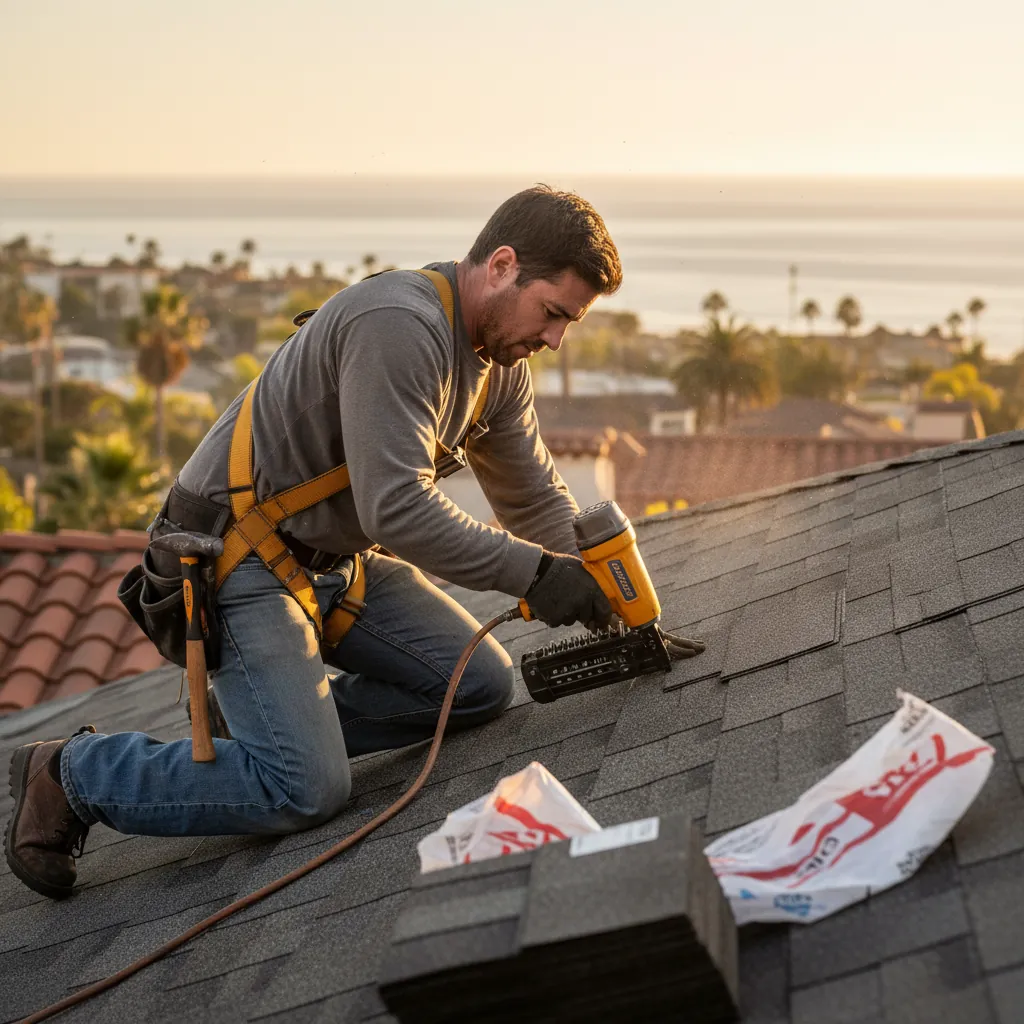
Standard for many mid-century homes; reflective granules help meet LADWP cool-roof standards while keeping weight low on hillside structures.
Excellent durability, but requires a structural engineer to verify that hillside foundations and framing can support the significant extra weight.
Common for modern hillside architectural homes with flat decks; highly reflective TPO reduces heat absorption from hot inland sun.
Reflects the extra labor and specialized equipment (like boom trucks) needed to safely navigate narrow winding streets and steep slopes.
Typical market ranges for the Greater Los Angeles area, not a quote or a guarantee. The price of your job depends on its scope, so ask each pro for a written estimate before you decide. Bars share one scale, so you can compare project sizes.
Initial structural roof inspection and slope assessment.
Acquisition of LADBS building and safety permits.
Safe delivery and staging of materials using specialized hillside equipment.
Tear-off of old materials down to the roof deck and wood inspection.
Installation of high-performance underlayment and fire-resistant roofing.
Final inspection and sign-off by Los Angeles Dept. of Building and Safety inspectors.
ContractorPro.Leads doesn't do the work itself. We pass your Mount Washington project to up to four local roofers who take this kind of job, and you decide whether to hire any of them.
Whether your home sits on a quiet ridge near San Rafael Ave or borders the protected oak woodlands of Elyria Canyon Park, your roof is your primary defense against the elements. The steep elevation rises sharply from the Arroyo Seco, exposing homes to both high wind gusts and intense daily sun exposure. Local roofing contractors are deeply familiar with these microclimates and the specific logistical coordination required to navigate the neighborhood’s iconic, tight-turning roads safely.
Tell us what you have in mind. We'll pass it to up to four local pros, and they'll contact you to talk it through.
Yes, the City of Los Angeles Department of Building and Safety (LADBS) requires a permit for all reroofing projects. Local contractors will handle the permit pull and schedule the mandatory mid-progress and final inspections.
Yes, LADWP offers rebates for certified Cool Roof installations on residential properties. Your contractor can help select qualifying materials that meet the solar reflectance index (SRI) standards.
Steep slopes and narrow winding roads make staging materials and disposing of old roofing more labor-intensive. Contractors often must use smaller transport vehicles or specialized cranes to safely deliver materials without blocking traffic.
Because Mount Washington is designated within a Very High Fire Hazard Severity Zone (VHFHSZ), LADBS mandates Class A fire-rated roofing materials. This includes fire-retardant underlayment and specific attic venting designed to resist ember intrusion.
The dry season from May to October is ideal for installation, though the late summer heat can be challenging for crews. Planning your replacement in early spring allows you to secure permits and complete the work before the hot inland summer peaks.
