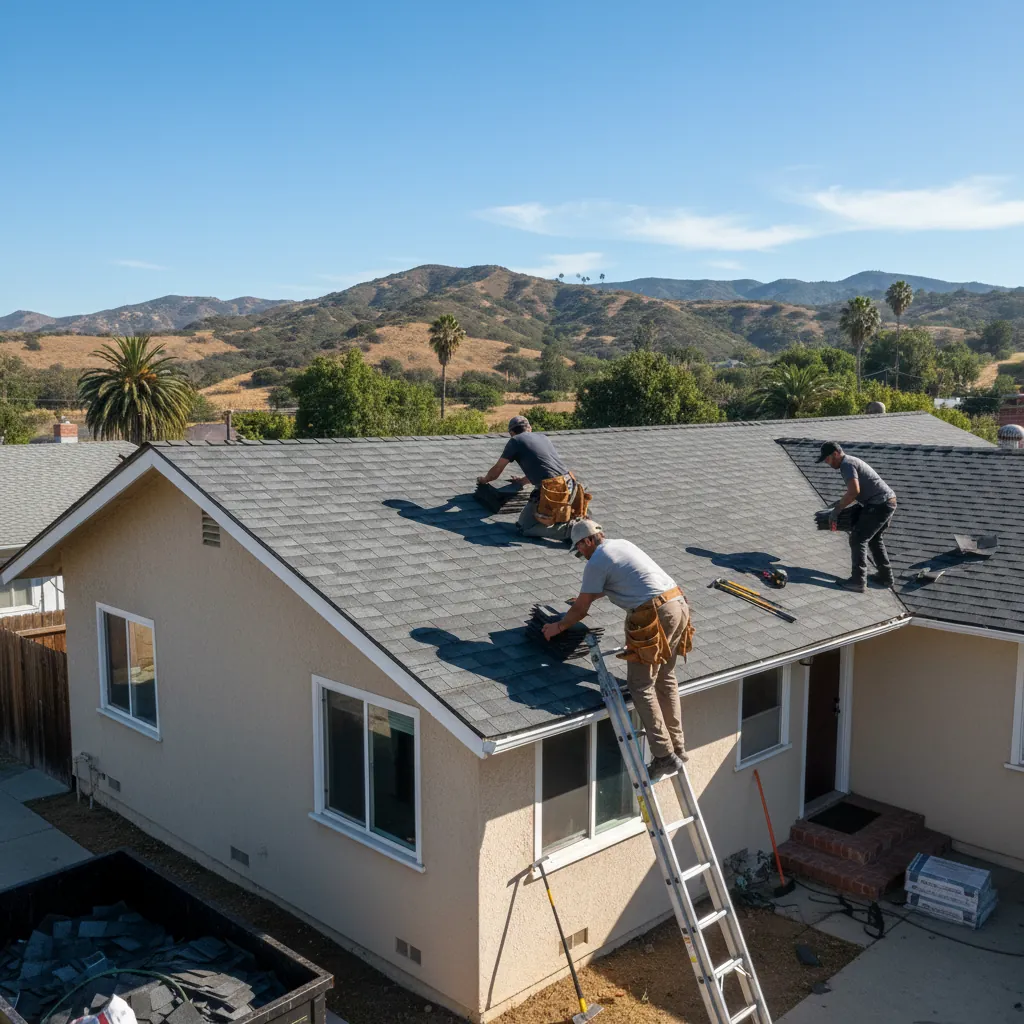
Typical Highland Park costs, permit steps and timelines are below. When you are ready, describe your project and up to four local roofers serving Highland Park will contact you. You compare and decide.
From the historic Craftsman bungalows tucked near Sycamore Grove Park to the mid-century homes lining the steeper hillsides, Highland Park's diverse architecture requires a highly nuanced approach to roofing. We connect you with independent roofing contractors who understand the unique structural demands of homes in the 90042 ZIP code. Whether you need a minor leak repaired before the winter rains or a complete cool-roof upgrade to lower your energy bills, local professionals are ready to help.
Properties situated on Highland Park's hillside slopes and the alluvial soils of the Arroyo Seco valley experience subtle ground shifting over time, which can stress roof framing and cause premature flashing separation.
Additionally, our intense, dry summers place extreme thermal strain on shingles, making UV-resistant "cool roofs" essential to meet both LADBS energy codes and to keep indoor temperatures manageable. Properly venting a roof on a steep Highland Park incline requires specialized local expertise to prevent heat trapping and premature material failure.
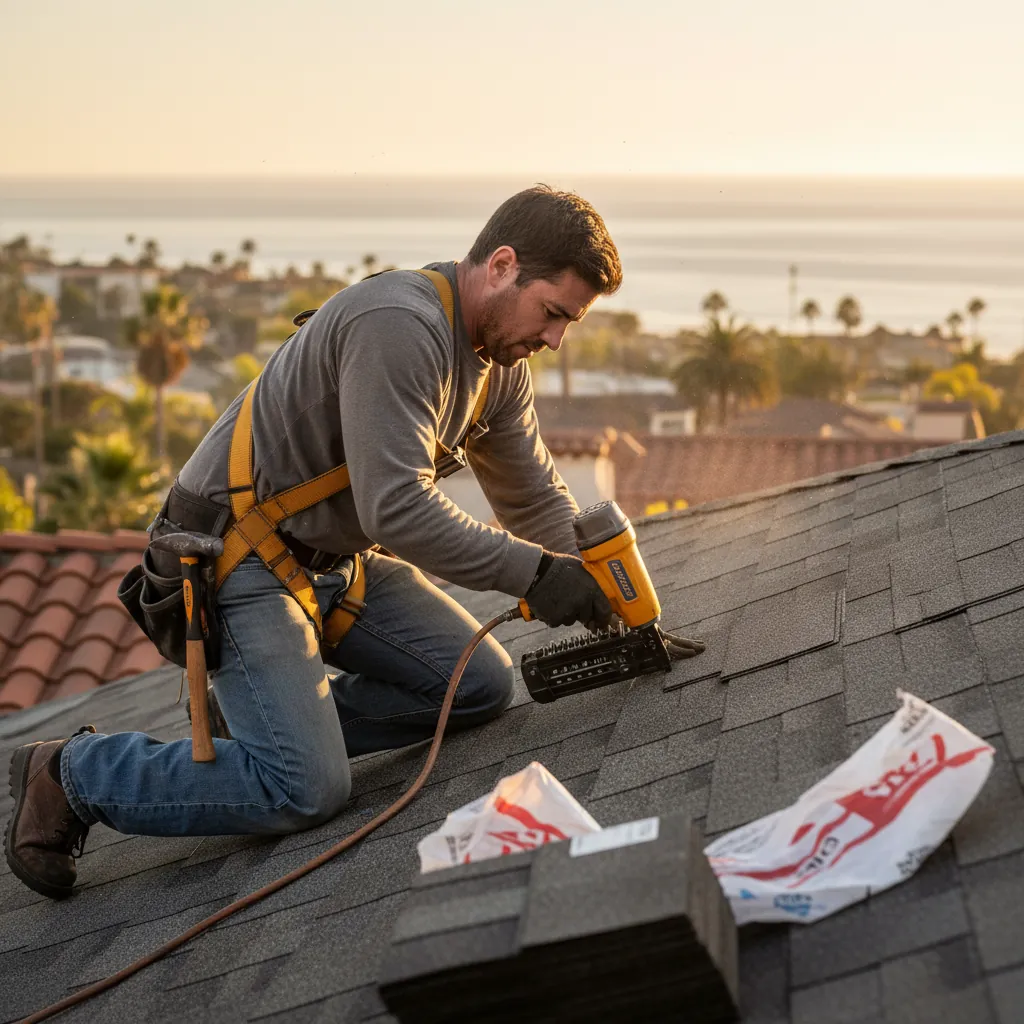
Ideal for addressing localized wind damage or minor leaks around chimneys and valley transitions common in the Arroyo Seco area.
Reflective shingles that meet LADBS energy standards. Costs vary based on roof pitch, especially on steep hillside properties.
Highly durable and common on Spanish-style homes in Highland Park; requires verifying that the home's framing can support the heavy load.
Typical market ranges for the Greater Los Angeles area, not a quote or a guarantee. The price of your job depends on its scope, so ask each pro for a written estimate before you decide. Bars share one scale, so you can compare project sizes.
Conducting a comprehensive structural inspection of the roof deck and hillside foundation alignment
Pulling the required permits through the City of Los Angeles Department of Building and Safety (LADBS)
Removing old roofing material safely and checking for dry rot or termite damage common in historic homes
Installing high-performance underlayment and ice/water shields in critical valley areas
Laying CRRC-rated (Cool Roof Rating Council) shingles or tiles to maximize thermal efficiency
Passing final municipal inspections to close out the LADBS permit successfully
ContractorPro.Leads doesn't do the work itself. We pass your Highland Park project to up to four local roofers who take this kind of job, and you decide whether to hire any of them.
Whether your property is located just blocks from the bustling art galleries on York Boulevard, near the historic commercial stretch of Figueroa Street, or high up on the winding hillside streets overlooking the Arroyo Seco, your roof faces specific microclimatic challenges. The steep elevation changes in these hills mean some homes receive relentless, direct afternoon sun, while others nestled near Sycamore Grove Park deal with higher shade and moisture retention from mature trees. Local roofing contractors are highly familiar with navigating these narrow hillside streets and coordinating logistics with LADBS inspectors for these specific locations.
Tell us what you have in mind. We'll pass it to up to four local pros, and they'll contact you to talk it through.
Yes, the Los Angeles Department of Building and Safety (LADBS) requires a permit for all roof replacements (re-roofs) and major repairs. Contractors in our network can pull these permits on your behalf and schedule the necessary mid-process and final inspections.
Yes, the Los Angeles Department of Water and Power (LADWP) offers rebates for residential cool roofs that meet specific solar reflectance index (SRI) standards. Your local roofing contractor can help you choose qualified materials and provide the documentation needed to apply.
Steep slopes and narrow streets near the Arroyo Seco hills can complicate material delivery and debris hauling. Contractors may need to use smaller transport vehicles or specialized equipment, which can slightly increase labor and staging costs compared to flat terrains.
Many historic homes in these areas feature exposed rafter tails and unique woodwork. A knowledgeable local contractor will preserve these architectural details while upgrading the roof's structural deck to meet current fire safety and building codes.
While roofing can be done year-round in Southern California's mild climate, dry summer and fall months are ideal. However, because summer heat in the valley can be extreme, contractors often start work at dawn to ensure safety and prevent materials like asphalt shingles from scuffing.
