Typical Highland Park costs, permit steps and timelines are below. When you are ready, describe your project and up to four local electricians serving Highland Park will contact you. You compare and decide.
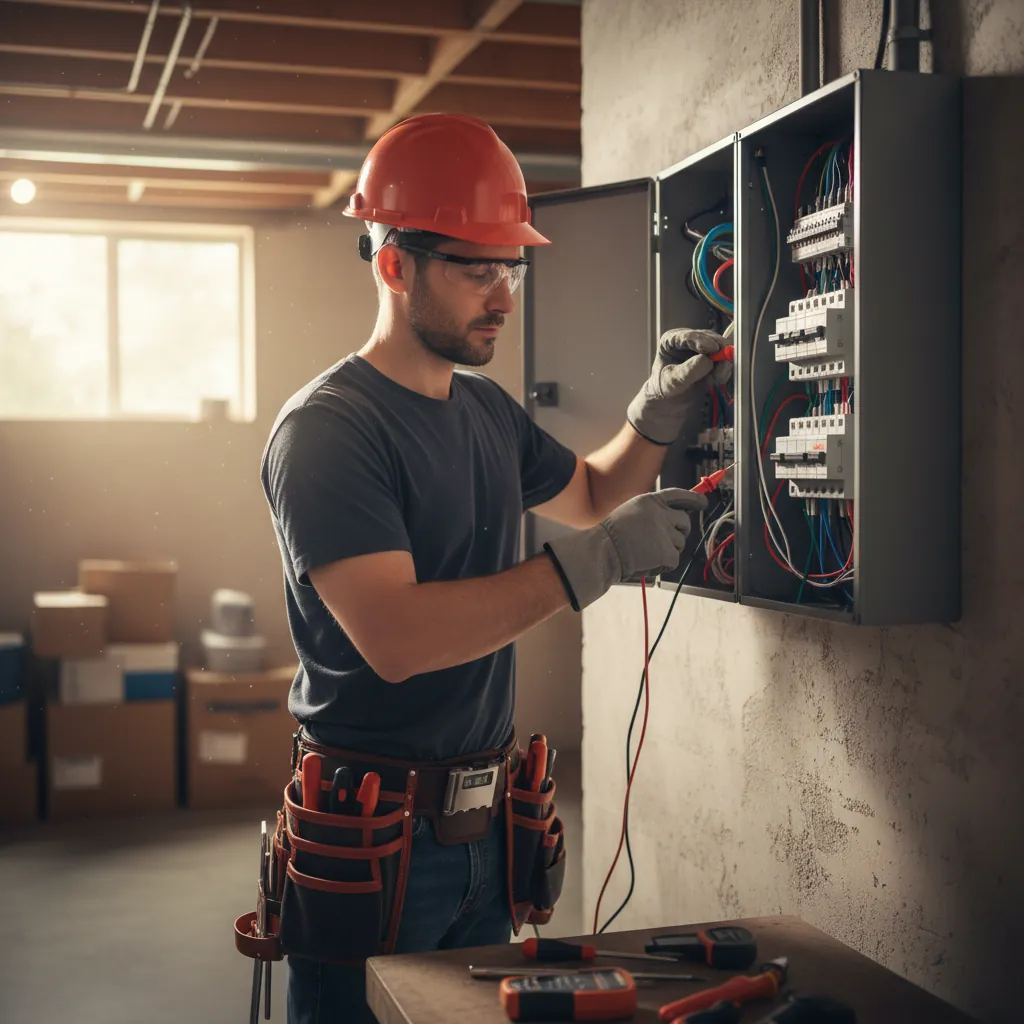
Comprehensive load calculation of your home's current electrical demand
Detailed inspection of existing wiring, grounding, and panel capacity
Preparation and submission of permit plans to the Los Angeles Dept. of Building and Safety (LADBS)
Safe trenching and conduit installation compliant with Arroyo Seco soil conditions
Physical installation of panel, breakers, or wiring by CSLB-licensed specialists
Final inspection coordination with the City of Los Angeles inspector
Cost varies based on whether service is overhead or underground, and if LADBS structural upgrades are needed for hillside properties.
Pricing depends on the distance from the panel to the garage or driveway, and whether a subpanel is required to support the load.
Reflects the complexity of updating historic Highland Park Craftsman homes without destroying lath-and-plaster walls.
Highly recommended for older kitchens and bathrooms to meet current City of Los Angeles safety codes.
Typical market ranges for the Greater Los Angeles area, not a quote or a guarantee. The price of your job depends on its scope, so ask each pro for a written estimate before you decide. Bars share one scale, so you can compare project sizes.
Preserving the historic charm of Highland Park's Craftsman bungalows and mid-century hillside homes requires electrical systems that meet modern power demands safely. Whether you are updating a commercial space along York Boulevard or upgrading a residential service panel near Sycamore Grove Park, connecting with a qualified local electrician ensures your project matches the unique character and safety standards of the 90042 area.
Highland Park’s steep hillside slopes and alluvial arroyo soils can cause subtle ground shifting that puts stress on underground service lateral conduits.
Furthermore, our hot, dry summers place extreme loads on older electrical panels as air conditioning units run continuously to combat the valley heat. Navigating these regional demands requires experienced electricians who understand LADBS earthquake-resilience standards and specific grounding requirements for hillside properties.
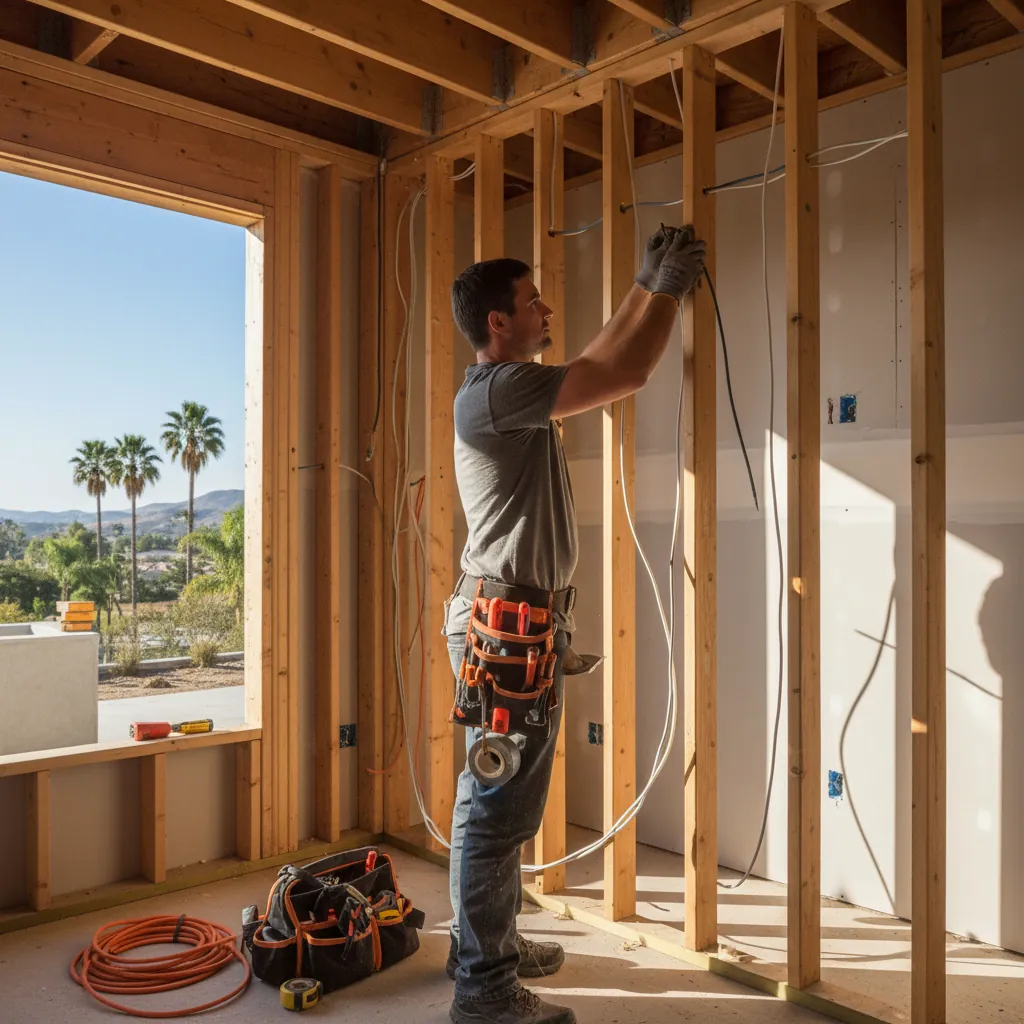
ContractorPro.Leads doesn't do the work itself. We pass your Highland Park project to up to four local electricians who take this kind of job, and you decide whether to hire any of them.
From the vibrant storefronts along Figueroa Street and York Boulevard to the quiet, leafy residential streets winding up the hillsides above Sycamore Grove Park, Highland Park possesses a distinct architectural heritage. Many homes here date back to the early 20th century, featuring original knob-and-tube or outdated split-bus panels that struggle with modern appliances. Local electrical contractors specialize in carefully retrofitting these classic properties without compromising their historic structural integrity.
Tell us what you have in mind. We'll pass it to up to four local pros, and they'll contact you to talk it through.
Yes, almost all electrical work in Highland Park, including panel upgrades and rewiring, requires a permit from the Los Angeles Department of Building and Safety (LADBS) to ensure safety and code compliance.
Simple permits can often be obtained online via Express Permit, but larger projects like panel upgrades require plan checks and coordination with LADWP, which can take anywhere from 2 to 6 weeks to schedule.
Yes. The Los Angeles Department of Water and Power (LADWP) offers substantial rebates for installing qualifying Level 2 EV chargers and making energy-efficient panel improvements.
Hillside properties often require specialized grounding electrodes due to rocky, shifting soil conditions, and overhead service drops must maintain strict clearance heights above sloped yards and retaining walls.
Experienced local electricians use specialized fishing techniques to run modern Romex wire behind older lath-and-plaster walls, minimizing damage to historic woodwork and finishes.
