Typical Atwater Village costs, permit steps and timelines are below. When you are ready, describe your project and up to four local electricians serving Atwater Village will contact you. You compare and decide.
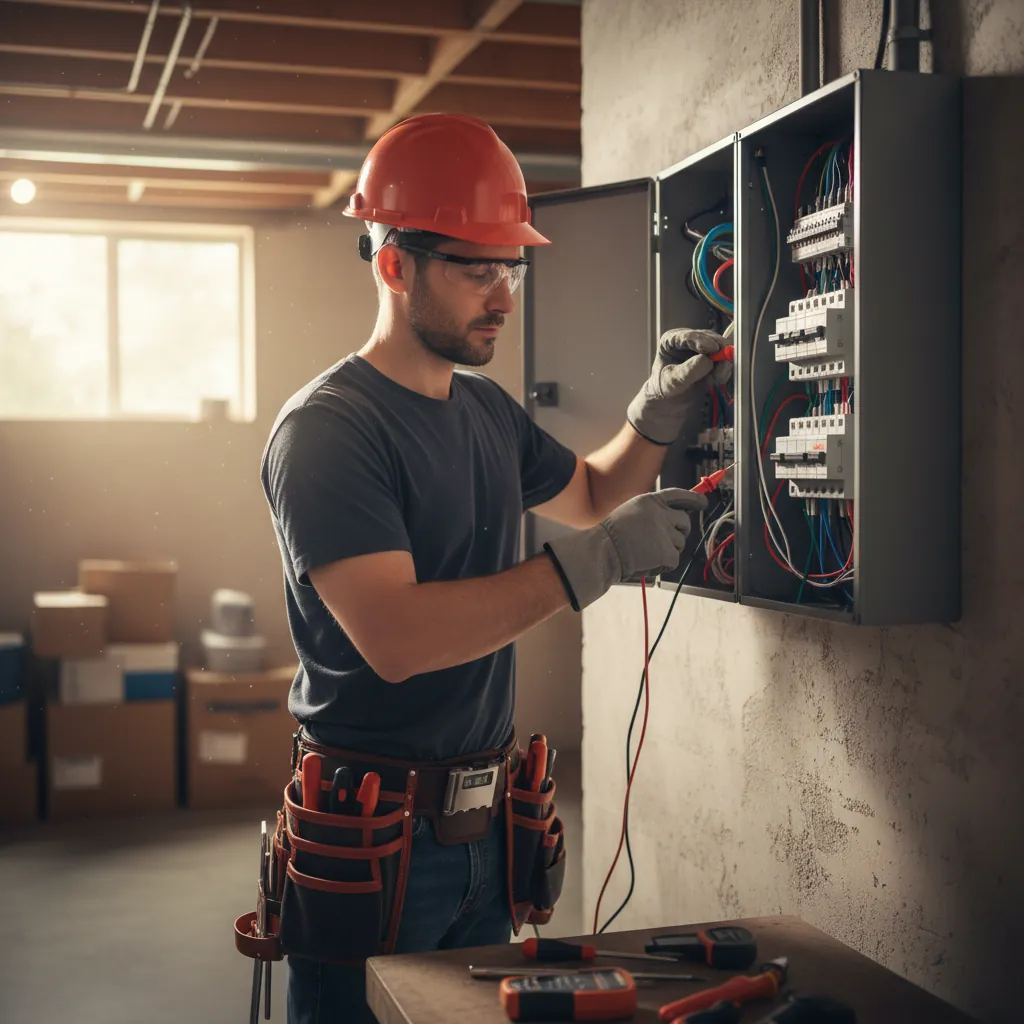
Thorough inspection of existing wiring, grounding, and panel capacity
Calculation of household electrical load requirements for modern appliances
Preparation and filing of permit applications with the Los Angeles Dept. of Building and Safety (LADBS)
Professional installation of upgraded panels, wiring, or dedicated circuits
Coordination with LADWP for any necessary service disconnects and reconnects
Final safety inspection and sign-off by a city inspector
A typical necessity for older Atwater homes needing to safely support modern HVAC units, EV chargers, and kitchen remodels.
Cost varies based on the distance from your main breaker panel to the garage or driveway, and whether a panel upgrade is required.
Commonly required to modernize 1920s-era bungalows with deteriorating knob-and-tube or cloth-insulated wiring.
Typical market ranges for the Greater Los Angeles area, not a quote or a guarantee. The price of your job depends on its scope, so ask each pro for a written estimate before you decide. Bars share one scale, so you can compare project sizes.
Homeowners along the quiet streets of Atwater Village enjoy a unique blend of historic architectural charm and vibrant community life. Whether you live in a classic 1920s Spanish bungalow or a modernized home near Glendale Boulevard, keeping your electrical system safe and efficient is essential. We connect you with local, independent electricians who understand the specific infrastructure needs of this beloved Los Angeles River community.
Because Atwater Village sits on flat land along the east bank of the Los Angeles River, the soft alluvial soil retains moisture, which can lead to high humidity in crawlspaces where older knob-and-tube wiring often degrades.
Additionally, our warm, dry summers bring intense heat waves, placing immense stress on aging electrical panels as air conditioning units run continuously. Upgrades require careful planning and adherence to City of Los Angeles standards to prevent overloaded circuits and ensure safety during peak summer months.
ContractorPro.Leads doesn't do the work itself. We pass your Atwater Village project to up to four local electricians who take this kind of job, and you decide whether to hire any of them.
From the bustling commercial corridor along Glendale Boulevard to the quiet residential streets bordering the Los Angeles River Greenway and Griffith Park, Atwater Village has a distinct character. Many of the neighborhood's historic properties still feature their original, vintage electrical layouts. Upgrading these systems requires a skilled contractor who respects the architectural heritage of the area while safely modernizing panels to handle modern appliances, EV chargers, and solar installations.
Tell us what you have in mind. We'll pass it to up to four local pros, and they'll contact you to talk it through.
Yes, most significant electrical work, including panel upgrades, dedicated circuits, and full rewiring, requires a permit from the Los Angeles Dept. of Building and Safety (LADBS). The local contractors we connect you with will handle the entire permitting and inspection process.
Simple residential electrical permits can often be issued online as an 'express permit' on the same day. More complex projects requiring custom plans or service changes with LADWP coordination may take 1 to 3 weeks for approval.
Yes, LADWP offers attractive rebates for energy-efficient upgrades, including qualifying residential EV charger installations and smart panels. The contractors in your area can help you select qualifying equipment.
Atwater Village's hot, dry summers lead to heavy air conditioning usage, which can easily overload older 100-amp panels. Upgrading to a 200-amp panel ensures your home runs safely and comfortably during peak summer temperatures.
Proximity to the Los Angeles River means a high water table and damp alluvial soil. Ground moisture can migrate into crawlspaces and low-lying outdoor areas, making proper conduit, weatherproof boxes, and GFCI protection vital for safety.
