Typical Atwater Village costs, permit steps and timelines are below. When you are ready, describe your project and up to four local interior painters serving Atwater Village will contact you. You compare and decide.
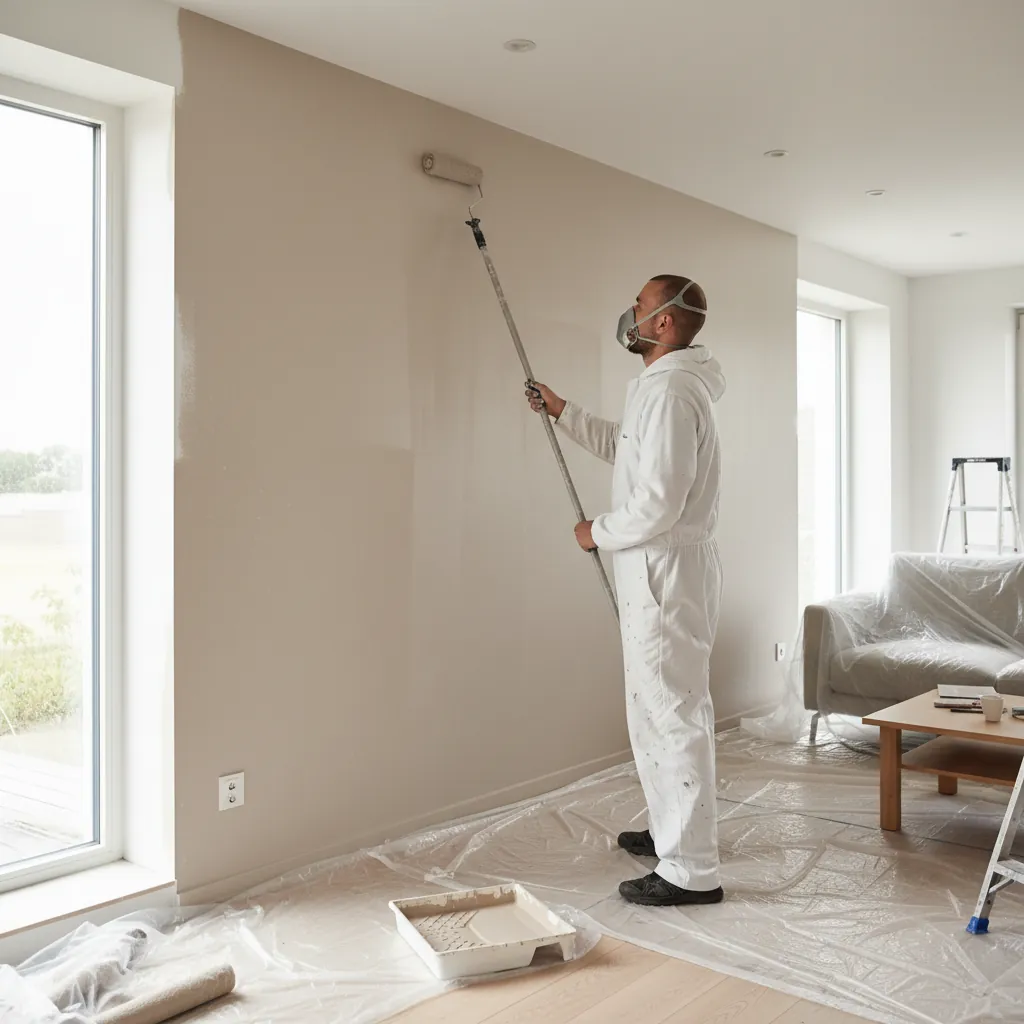
Costs vary based on ceiling height, wall condition, and whether trim, baseboards, or doors are included in the scope.
Typical for classic Atwater Village bungalows. The amount of plaster repair needed for homes built on alluvial river soil will influence the final cost.
Applies to larger multi-story or expanded properties where extensive prep, accent walls, and detailed trim work are required.
Typical market ranges for the Greater Los Angeles area, not a quote or a guarantee. The price of your job depends on its scope, so ask each pro for a written estimate before you decide. Bars share one scale, so you can compare project sizes.
Nestled between the Los Angeles River and Glendale Boulevard, homes in Atwater Village carry a distinct charm, from Spanish-style bungalows to mid-century cottages. Preserving these interiors requires an eye for detail and a deep understanding of our neighborhood's unique housing stock. We connect you with experienced local painting contractors who can transform your indoor spaces while respecting the architectural character of the 90039 area.
Because Atwater Village lies on the flat land of the Los Angeles River's east bank, local homes sit on soft alluvial river soils that naturally shift over time.
This minor settling frequently causes hairline cracks in plaster and drywall, which require specialized patching and elastomeric prep work before any paint is applied. Additionally, the microclimate near the river greenway can introduce subtle humidity shifts that require careful paint selection and drying management to prevent bubbling and peeling.
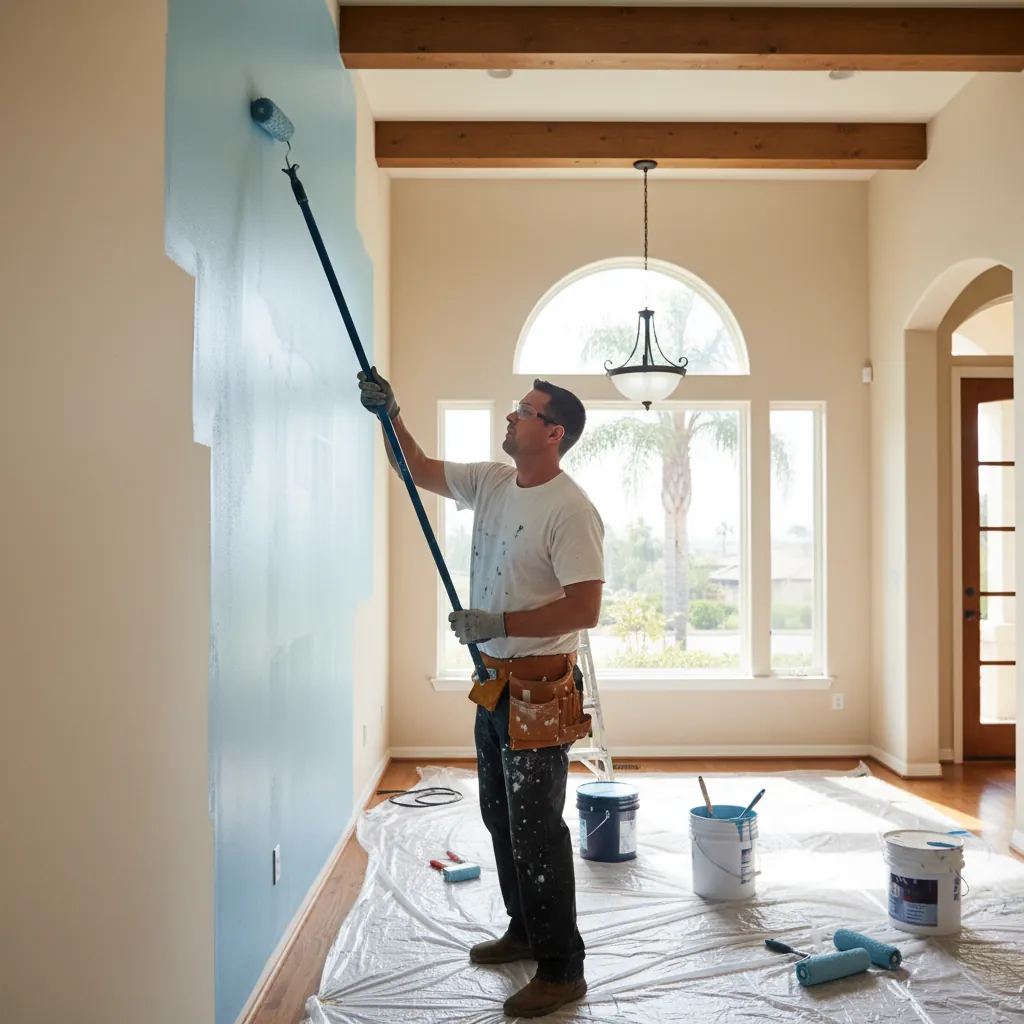
Initial consultation and color matching to suit your home's natural lighting
Thorough room preparation, including moving furniture and laying heavy-duty drop cloths
Detailed wall repair, patching settlement cracks, and sanding surfaces smooth
Application of premium primer to ensure uniform color and adhesion
Precision painting of walls, ceilings, and trim using professional techniques
Complete cleanup and a final walkthrough to ensure flawless coverage
ContractorPro.Leads doesn't do the work itself. We pass your Atwater Village project to up to four local interior painters who take this kind of job, and you decide whether to hire any of them.
Whether your home sits near the bustling shops along Glendale Boulevard or closer to the quiet paths of the Los Angeles River Greenway, local properties experience a unique blend of urban vitality and riverside microclimates. Living so close to Griffith Park means enjoying beautiful natural backdrops, but it also means homes are subject to fine dust and seasonal temperature swings that require high-quality, durable interior finishes.
Tell us what you have in mind. We'll pass it to up to four local pros, and they'll contact you to talk it through.
No, standard cosmetic interior painting does not require a permit from LADBS. However, if your painting project involves structural changes, drywall removal, or significant electrical/plumbing modifications, a permit may be required.
Because the neighborhood sits on soft alluvial river soils along the LA River, homes shift slightly over time, leading to hairline cracks in walls. Local pros prioritize comprehensive prep work, using flexible caulking and mesh-reinforced patching to ensure these cracks do not ruin your new paint.
Yes, highly recommended. Los Angeles has strict environmental standards, and low- or zero-VOC paints help maintain excellent indoor air quality, which is especially beneficial during hot, dry summer months when windows remain closed for air conditioning.
Interior painting can be done year-round due to our mild winters. However, late spring through early autumn is ideal because dry air helps paint cure faster, and mild days allow for comfortable ventilation.
While LADWP does not offer direct rebates for interior painting, choosing light-reflective values (LRV) for your paint colors can naturally brighten your home, reducing the need for artificial lighting and aligning with local energy-saving goals.
