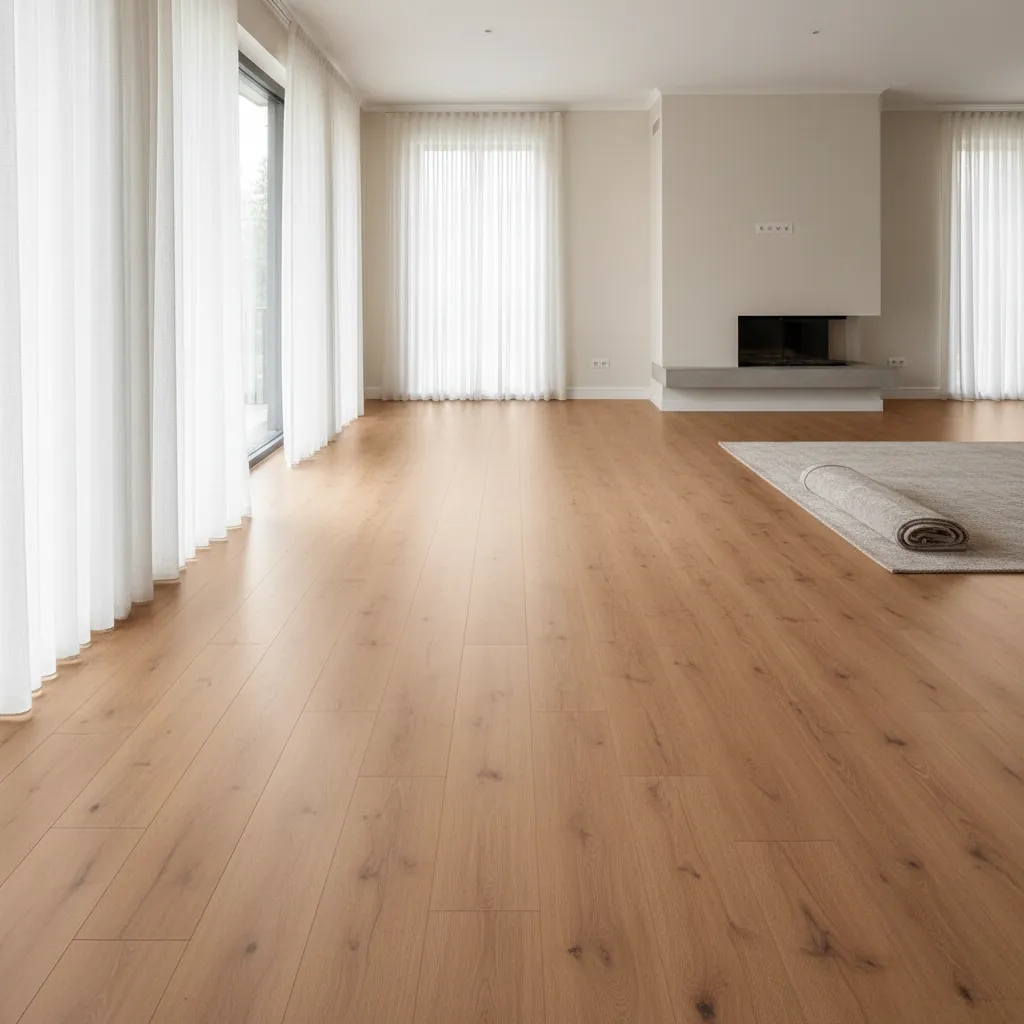
Typical Atwater Village costs, permit steps and timelines are below. When you are ready, describe your project and up to four local flooring installers serving Atwater Village will contact you. You compare and decide.
Typical cost to restore original oak floors in older Atwater Village bungalows, depending on the level of sanding and repairs needed.
An ideal choice for our river-adjacent climate; costs vary based on wood species, wear layer thickness, and subfloor prep.
Highly popular for active households near the river greenway due to its absolute water resistance and durability.
Often necessary in older homes along the alluvial flatlands to correct settling before laying new materials.
Typical market ranges for the Greater Los Angeles area, not a quote or a guarantee. The price of your job depends on its scope, so ask each pro for a written estimate before you decide.
Many Atwater Village homes are Spanish-style and Craftsman bungalows on the flat land along the Los Angeles River, and a good number still have original oak strip floors under carpet or vinyl. Hardwood flooring installation here usually means one of three paths: refinishing what is already there, adding engineered hardwood over a sound subfloor, or laying new solid hardwood where the old floor is past saving. The soft river soils and warm, dry summers make subfloor condition and moisture testing the first step of every plan. A request through this page goes to up to four local flooring installers who serve Atwater Village and contact you directly.
Because Atwater Village is situated on flat land along the east bank of the Los Angeles River, the underlying soft alluvial soil is prone to gradual shifting.
This soil movement, combined with seasonal humidity changes from nearby Griffith Park and the river corridor, can cause subfloor settling and moisture fluctuations that stress hardwood and tile installations. Selecting flexible engineered woods, properly sealed laminates, or crack-isolated tile is crucial in this neighborhood to prevent warping and buckling over time.
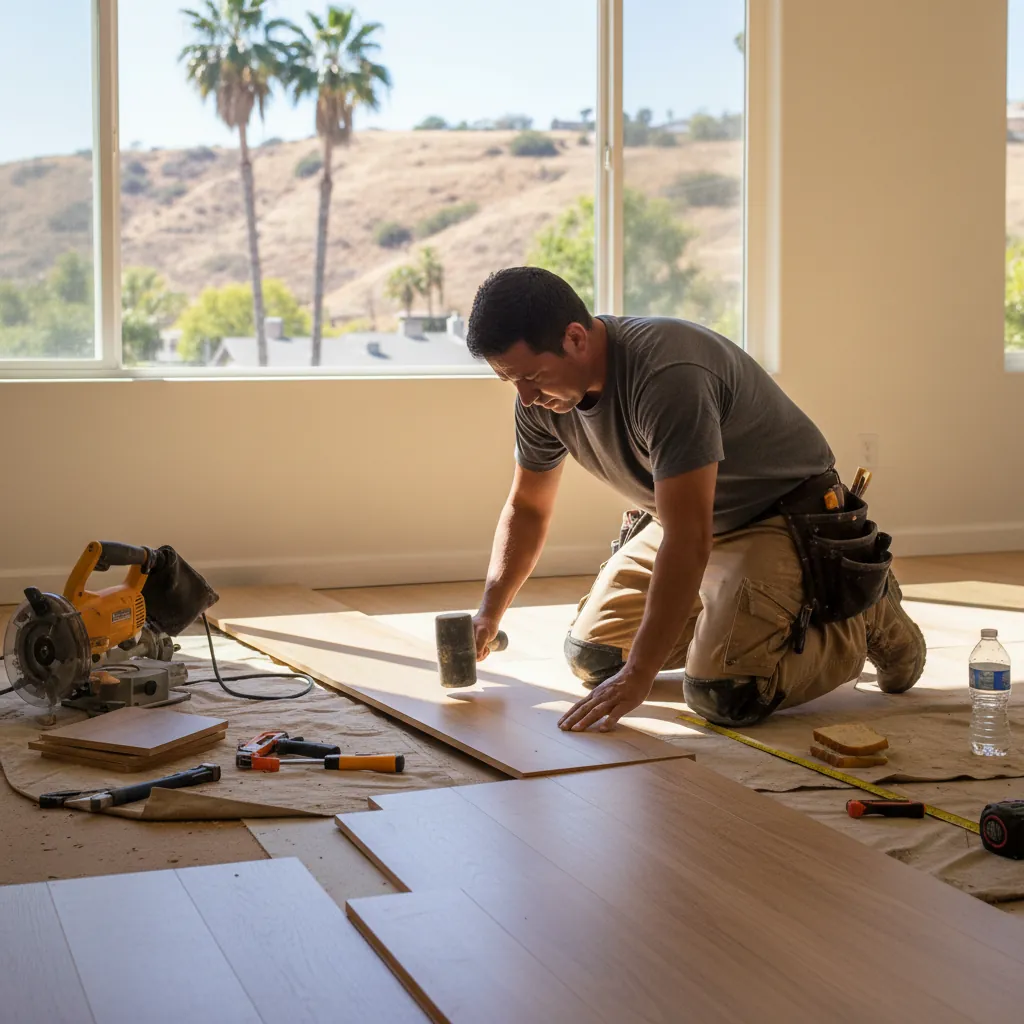
Conducting a thorough moisture and level test on the existing subfloor
Assessing and repairing any subfloor settling caused by alluvial soil shifting
Acclimating flooring materials to the home's specific humidity levels
Applying appropriate moisture barriers or underlayments tailored to the material
Executing precise installation, including necessary expansion gaps along walls
Applying final seals, transitions, and baseboard trims for a polished finish
ContractorPro.Leads doesn't do the work itself. We pass your Atwater Village project to up to four local flooring installers who take this kind of job, and you decide whether to hire any of them.
Whether your home sits near the bustling commercial stretch of Glendale Boulevard or closer to the quiet, leafy paths of the Los Angeles River Greenway, the local environment influences your indoor spaces. The dust and dry heat sweeping down from Griffith Park during warm summers mean flooring must be highly durable and easy to clean. Local flooring pros understand how to select materials that complement the indoor-outdoor lifestyle prized in this vibrant pocket of Northeast Los Angeles.
All home services in Atwater Village
More planning guides for Atwater Village and nearby: flooring installation in Silver Lake, flooring installation in Glendale, interior painting in Atwater Village and kitchen remodeling in Atwater Village.
Tell us what you have in mind. We'll pass it to up to four local pros, and they'll contact you to talk it through.
Often, yes. Engineered hardwood has a real wood wear layer over a stable core, so it moves less with seasonal changes in humidity than solid boards and can float or glue over a raised wood subfloor or a slab. Solid hardwood can be sanded and refinished more times over its life. Many homeowners pick engineered boards for additions and slab rooms, and solid oak where they want to match an original floor.
The installer pulls the old covering, checks the subfloor for soft spots, squeaks and high or low areas, and measures the moisture of both the subfloor and the new boards before anything goes down. Older raised-foundation homes on soft river soils can have a floor that is slightly out of level, so shimming, sistering a joist or adding plywood may come first. Ask for that prep to be priced as its own line.
Frequently. Original oak strip floors under carpet are common in the neighborhood, and if the boards are thick enough and not badly water-damaged, sanding and refinishing costs far less than a new floor. Patching in matching boards where a wall or heater vent was removed is routine work. An installer can pull a floor vent or a threshold to see how much wood is left above the tongue.
Generally, cosmetic flooring replacements like carpeting, hardwood, or tile do not require a permit from LADBS. However, if your project involves structural subfloor repairs, modifying load-bearing joists, or changing floor levels, a building permit and inspection will be required.
Being on the flat land of the river's east bank means the local water table can be higher, and alluvial soils can shift. This leads to higher subfloor moisture and potential settling. Engineered wood, luxury vinyl plank, or tile with anti-fracture membranes are highly recommended over solid hardwood on concrete slabs here.
LADWP does not offer direct rebates for flooring materials. However, choosing flooring with high thermal efficiency or pairing your new floors with subfloor insulation can lower your overall energy usage, which aligns with LADWP’s conservation initiatives.
Strict summer watering limits can cause the clay and alluvial soils around your foundation to dry out and shrink rapidly, followed by swelling during winter rains. This cycling can cause minor foundation shifts, making flexible flooring options like engineered wood or luxury vinyl plank safer choices than rigid, uncoupled tile.
Late spring or early autumn is ideal. During these transitional periods, the indoor humidity levels are moderate compared to our dry, hot summers or damp winters, allowing the wood to acclimate to a stable baseline before installation.
