Typical Atwater Village costs, permit steps and timelines are below. When you are ready, describe your project and up to four local concrete contractors serving Atwater Village will contact you. You compare and decide.
Initial site assessment and soil evaluation of the alluvial subgrade
Excavation and grading to ensure proper drainage away from residential foundations
Placement and compaction of a thick, stable gravel base layer
Installation of robust formwork and steel rebar reinforcement grids
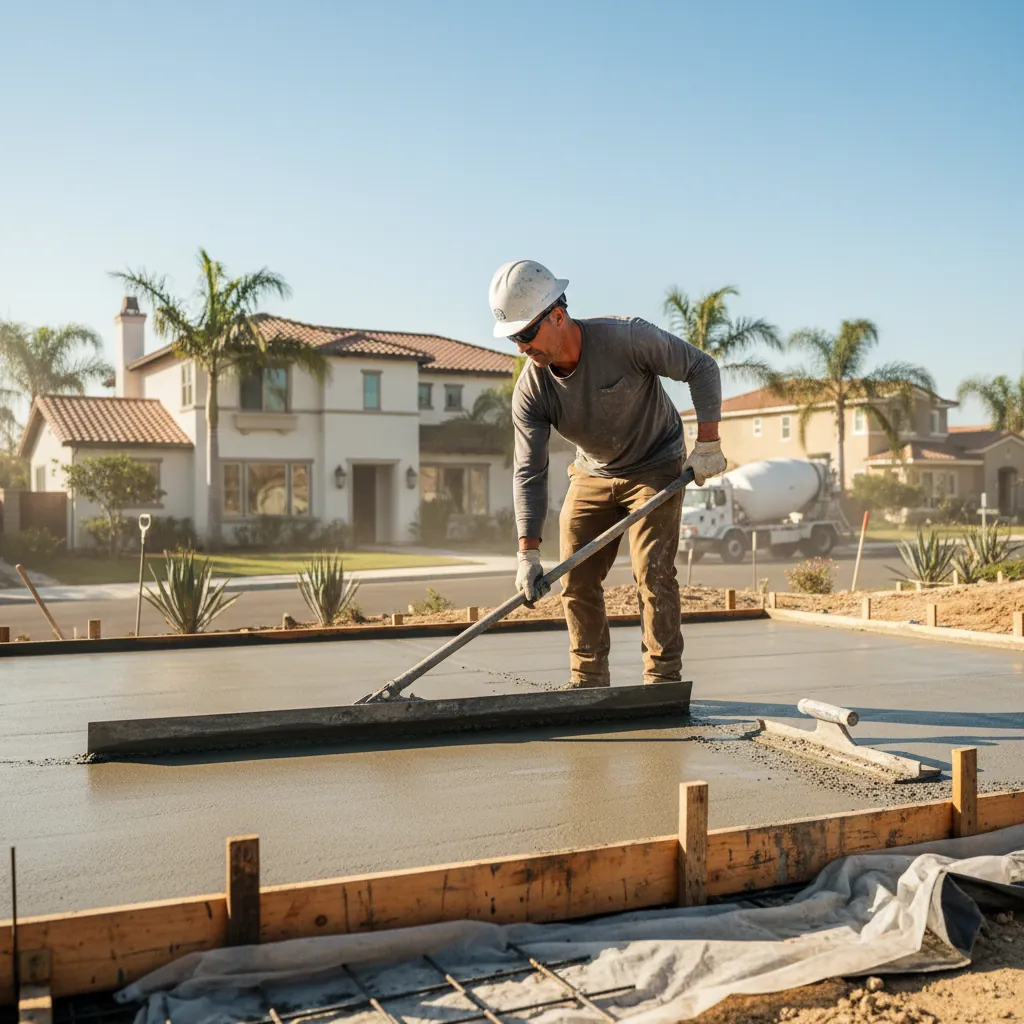
Pouring, finishing, and applying specialized curing compounds to prevent rapid drying
Form removal, site clean-up, and final inspections as required by LADBS
Costs depend on the thickness required for vehicle weight, accessibility off narrow Atwater alleyways, and necessary steel reinforcement.
Intricate patterns matching historic Craftsman or Spanish styles require specialized labor and custom color-matching pigments.
Shorter residential walkways require manual excavation in tight spaces and precise grading to handle local seasonal rainfall runoff.
Breaking up and hauling away old, cracked concrete slabs and importing stable aggregate to counteract soft river basin soil.
Typical market ranges for the Greater Los Angeles area, not a quote or a guarantee. The price of your job depends on its scope, so ask each pro for a written estimate before you decide.
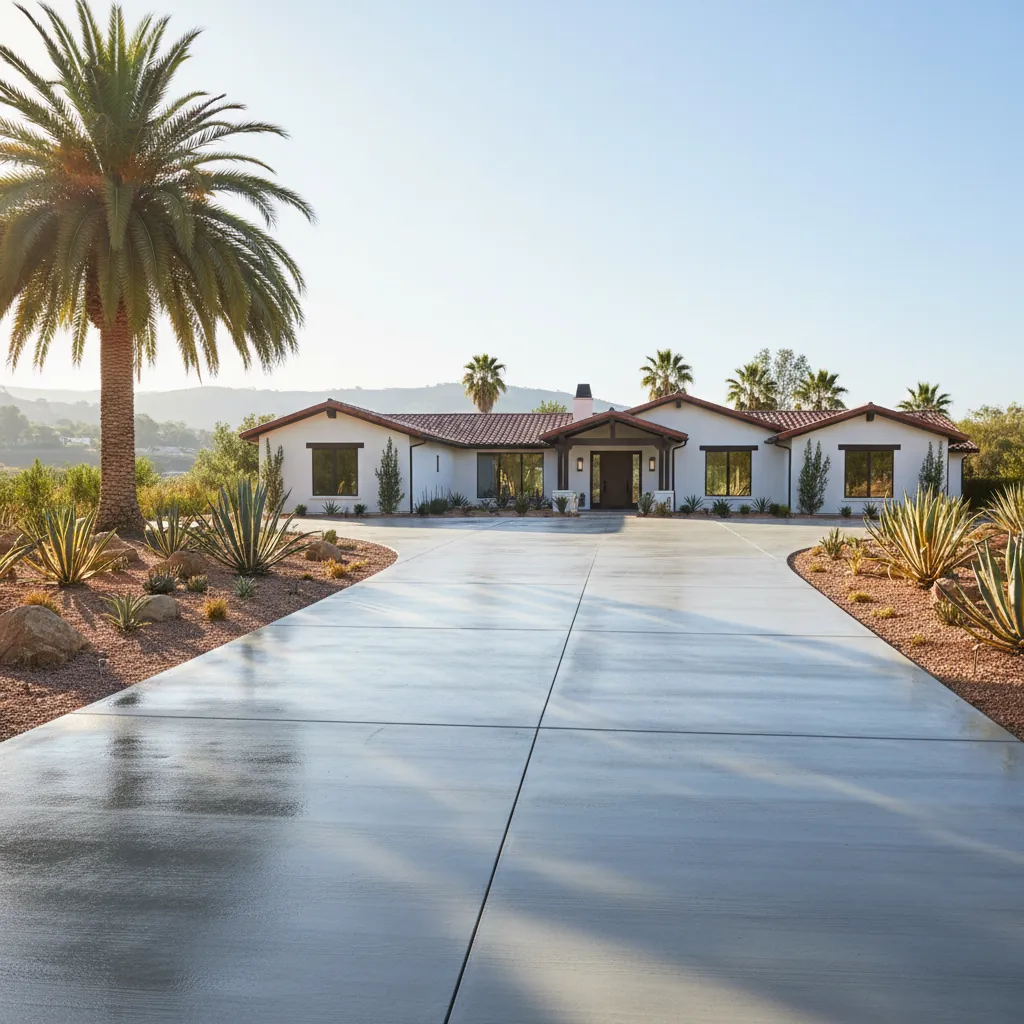
Tucked along the east bank of the Los Angeles River, Atwater Village homes require concrete installations that balance historic aesthetic charm with modern structural integrity. From classic Spanish Colonial revival driveways to sleek modern patios near Glendale Blvd, high-quality flatwork enhances both curb appeal and property value.
The flat terrain of Atwater Village sits on soft alluvial river soils deposited over centuries by the adjacent Los Angeles River basin.
These shifting, sandy soils require meticulous subgrade compaction and proper steel reinforcement to prevent concrete cracking and settling over time. Additionally, concrete projects here must withstand our intense, dry summer heat waves, which can cause rapid curing and structural weakness if the concrete is not properly hydrated and managed during the initial pour.
ContractorPro.Leads doesn't do the work itself. We pass your Atwater Village project to up to four local concrete contractors who take this kind of job, and you decide whether to hire any of them.
Whether you are updating a craftsman walkway near the Los Angeles River Greenway or pouring a new commercial parking pad off busy Glendale Blvd, local conditions dictate your project's success. With Griffith Park framing the horizon, maintaining the historic character of our local residential streets requires a delicate, experienced touch. Local contractors are adept at blending new installations with the classic aesthetic of the neighborhood while adhering strictly to City of Los Angeles municipal guidelines.
Tell us what you have in mind. We'll pass it to up to four local pros, and they'll contact you to talk it through.
For standard residential patios, a permit may not be required if they meet height and size limitations, but new driveways, curb cuts, or structural retaining walls require approval from the Los Angeles Department of Building and Safety (LADBS).
Atwater Village's flat terrain features soft alluvial river soils that expand and contract. Without deep compaction and steel rebar reinforcement, concrete poured here is highly susceptible to shifting, cracking, and uneven settling.
While concrete can be poured year-round in Southern California, the mild winter and spring months are ideal. Extremely hot summer days require contractors to take special precautions, such as early morning pours or applying wet curing blankets, to prevent the concrete from drying too quickly.
Yes, LADWP has strict watering limits. Fresh concrete requires water during the curing phase, so local contractors often use chemical curing compounds or scheduled damp curing that complies with local conservation guidelines while protecting your investment.
Generally, you should wait at least 7 to 10 days before parking vehicles on a new concrete driveway. While the surface may feel dry within 24 to 48 hours, it takes a full 28 days for the slab to reach its maximum structural design strength.
Experienced local contractors can apply custom finishes, such as acid staining, salt finishes, or stamped textures, that seamlessly blend with the classic 1920s Spanish and Craftsman bungalows typical of the area.
