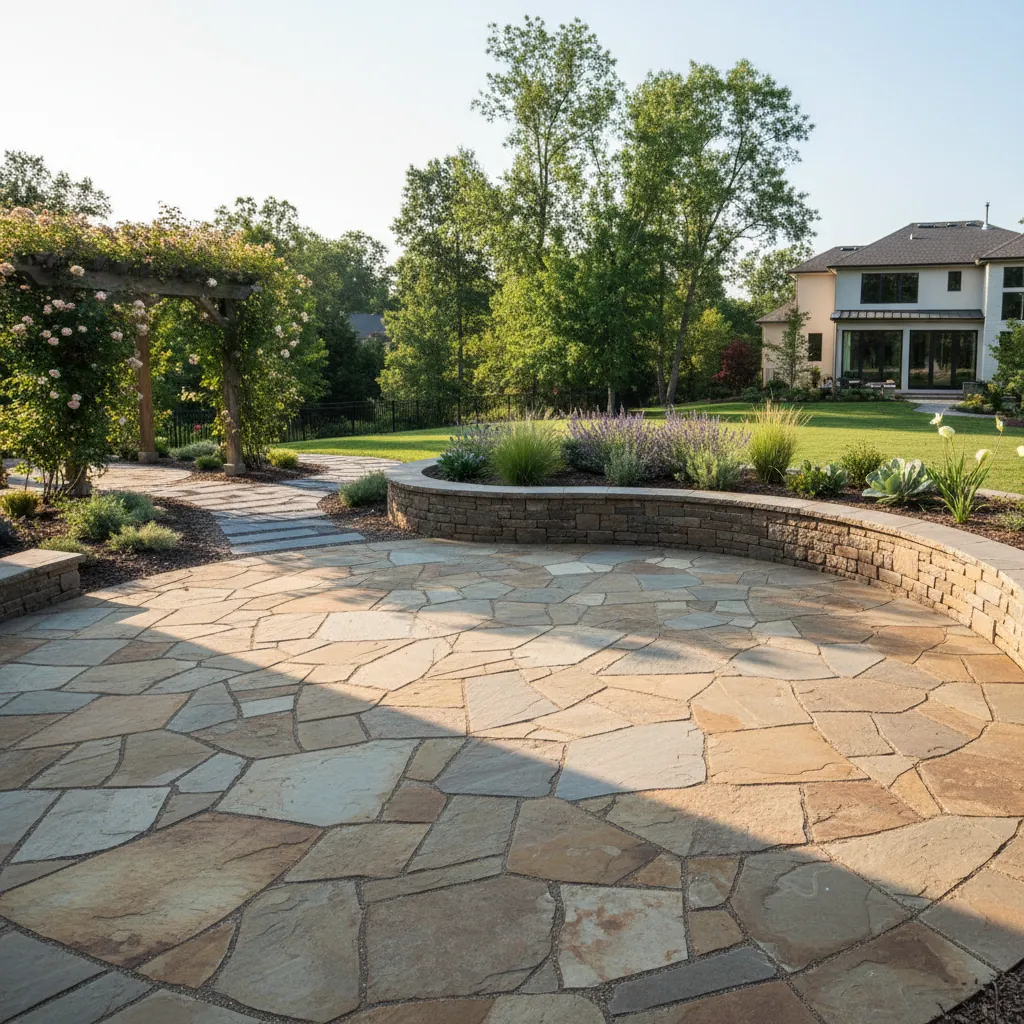
Typical Atwater Village costs, permit steps and timelines are below. When you are ready, describe your project and up to four local hardscape contractors serving Atwater Village will contact you. You compare and decide.
Homeowners in Atwater Village enjoy a beautiful blend of historic Spanish bungalows and mid-century residences, where outdoor living is a year-round lifestyle. Enhancing your yard with a custom patio, driveway, or walkway requires a deep understanding of our local terrain near the Los Angeles River.
Because Atwater Village sits entirely on the flat east bank of the Los Angeles River, properties feature soft, sandy alluvial soils that are highly prone to settling and shifting.
Designing a long-lasting patio or driveway here requires meticulous soil compaction and an engineered sub-base to prevent pavers from sinking or concrete from cracking over time. Additionally, properties close to the river must carefully manage stormwater runoff in compliance with City of Los Angeles drainage guidelines.
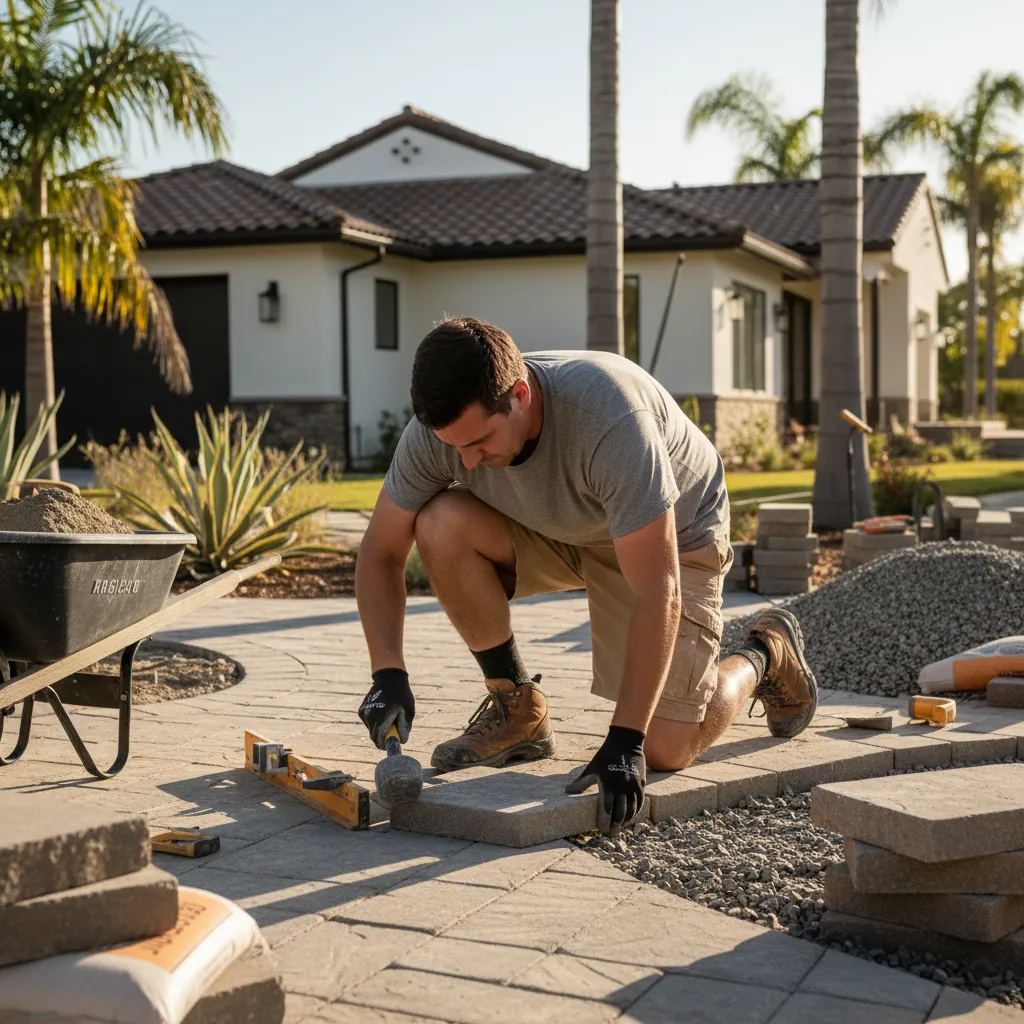
Pricing depends on the specific paver style selected and the depth of sub-base compaction required to stabilize Atwater's soft soil.
Permeable systems require specialized open-graded aggregate layers beneath the surface to facilitate immediate water infiltration.
Shorter walls help manage flat terrain drainage and create planting beds, with costs driven by material choice and backfill drainage needs.
Typical market ranges for the Greater Los Angeles area, not a quote or a guarantee. The price of your job depends on its scope, so ask each pro for a written estimate before you decide.
Comprehensive site evaluation analyzing soil stability, slope, and current drainage patterns.
Detailed layout design prioritizing proper water runoff away from the home's foundation.
Excavation and deep soil compaction tailored to the sandy alluvial ground of the river basin.
Installation of a durable geotextile fabric barrier and a heavily compacted gravel sub-base.
Precise laying of pavers, flagstone, or concrete with professional joint sanding and edge restraints.
Final site clean-up and a thorough inspection to guarantee optimal drainage and alignment.
ContractorPro.Leads doesn't do the work itself. We pass your Atwater Village project to up to four local hardscape contractors who take this kind of job, and you decide whether to hire any of them.
From the busy commercial stretch along Glendale Boulevard to the quiet residential streets near the Los Angeles River Greenway, Atwater Village properties demand thoughtful outdoor design. Creating a functional hardscape here often means balancing low-maintenance, drought-tolerant elements with custom stone or paver features that capture views of the Griffith Park hills while respecting local property setbacks.
Tell us what you have in mind. We'll pass it to up to four local pros, and they'll contact you to talk it through.
Flatwork, such as typical ground-level patios, walkways, and driveways, generally does not require a permit from the Los Angeles Dept. of Building and Safety (LADBS). However, structural elements like retaining walls over four feet high or projects that alter designated historical setbacks will require formal plan checks and permits.
Atwater Village's proximity to the river means the local soil is primarily soft, sandy alluvium. Without deep excavation, a heavy-duty geotextile fabric barrier, and a thoroughly compacted base, heavy pavers or poured concrete will shift and crack as the ground naturally settles. Experienced local pros design the sub-base specifically to handle this terrain.
Yes. Replacing water-intensive lawn areas with permeable pavers, gravel pathways, and drought-tolerant hardscaping drastically reduces outdoor water usage. This type of project can also help you qualify for turf replacement rebates offered by the Los Angeles Department of Water and Power (LADWP).
While Southern California's climate allows for year-round construction, the ideal time is during the dry summer and fall months. Excavating and compacting Atwater's alluvial soil is much more precise when the ground is dry, avoiding the mud and compaction issues common during winter rains.
A standard 400-square-foot paver patio project typically takes 3 to 5 days to complete. This timeline includes excavation, base preparation, laying the pavers, joint-sanding, and final sealing.
