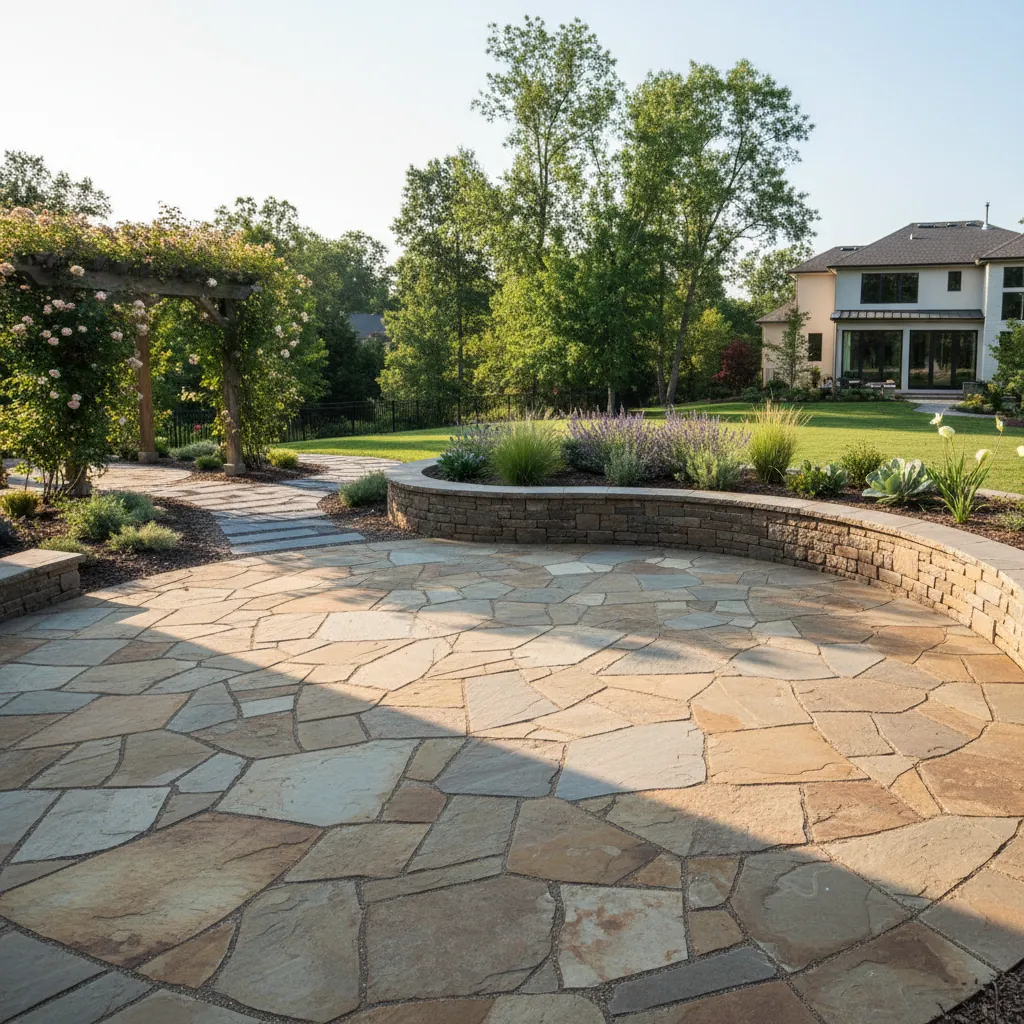
Typical Eagle Rock costs, permit steps and timelines are below. When you are ready, describe your project and up to four local hardscape contractors serving Eagle Rock will contact you. You compare and decide.
Homeowners tucked into the hills of Eagle Rock understand that outdoor living requires both beauty and structural integrity. Whether you are looking to terrace a sloped backyard near Occidental College or build a durable stone patio for hot summer afternoons, the right hardscaping makes all the difference.
The San Rafael Hills of Eagle Rock present distinct structural challenges, featuring rocky hillside soils and steep slopes that require precise engineering.
Because many properties sit within designated Very High Fire Hazard Severity Zones, the choice of non-combustible materials is critical. Projects often require engineered retaining walls and grading plans approved by the Los Angeles Department of Building and Safety (LADBS) to prevent erosion and mudslides during heavy winter rains.
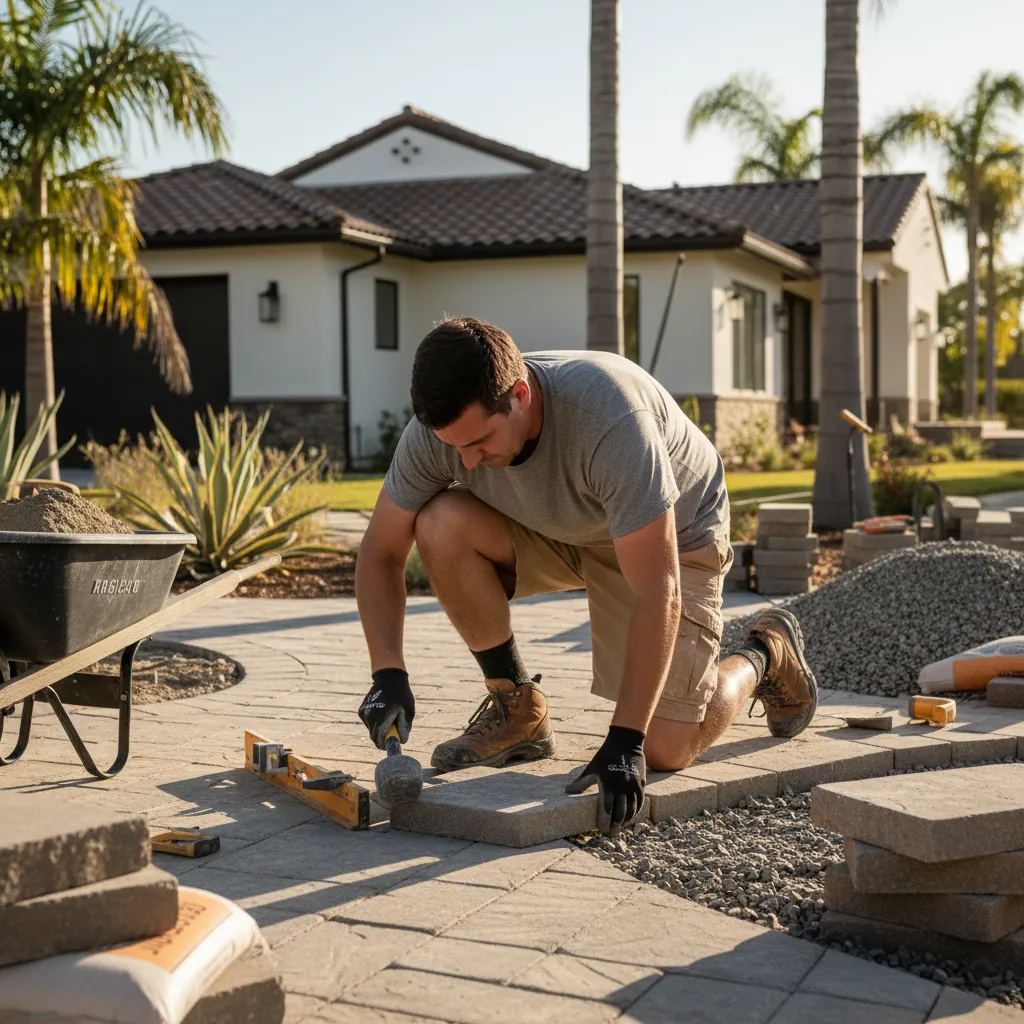
Pricing depends on access to sloped yards and the specific premium or natural stone materials chosen to match historic Eagle Rock homes.
Crucial for San Rafael Hills properties; cost is driven by height, engineering fees, LADBS permitting, and soil excavation difficulty.
Excellent for stormwater management on sloped lots and may qualify for specific local environmental or water conservation incentives.
Typical market ranges for the Greater Los Angeles area, not a quote or a guarantee. The price of your job depends on its scope, so ask each pro for a written estimate before you decide.
Initial site assessment to evaluate slope, drainage, and rocky soil composition
Structural engineering and drafting of plans for retaining walls if required
Permit submission and coordination with the Los Angeles Department of Building and Safety (LADBS)
Excavation, grading, and installation of robust sub-base and drainage systems
Precise installation of pavers, stone, or retaining blocks
Final site cleanup and inspection to ensure proper water runoff management
ContractorPro.Leads doesn't do the work itself. We pass your Eagle Rock project to up to four local hardscape contractors who take this kind of job, and you decide whether to hire any of them.
From the character-filled Craftsman homes near Colorado Blvd to the mid-century properties flanking Eagle Rock Blvd, local yards demand hardscape designs that respect both architectural heritage and topography. Navigating the narrow, winding streets of the hills also requires experienced contractors who know how to manage staging and material delivery in tight residential areas without disrupting the neighborhood.
Tell us what you have in mind. We'll pass it to up to four local pros, and they'll contact you to talk it through.
Yes, in the City of Los Angeles, any retaining wall over four feet tall (measured from the bottom of the footing to the top of the wall) or any wall supporting a surcharge, such as a slope or driveway above it, requires structural engineering plans and a permit from the Los Angeles Department of Building and Safety.
Sloped lots in the San Rafael Hills often require specialized machinery, extra grading, manual excavation of rocky soils, and engineered retaining structures. Limited street access on narrow hillsides can also increase labor and material staging costs.
Absolutely. Eagle Rock's hillside areas lie within designated fire hazard severity zones. Replacing combustible wood decking or overgrown brush with stone patios, concrete pavers, or gravel pathways helps establish the required defensible space around your home.
Yes, LADWP offers turf replacement rebates. To qualify, you must replace grass with climate-appropriate plants or permeable hardscaping, such as permeable pavers or gravel, that allows rainwater to capture in the soil. Standard concrete or non-permeable surfaces do not qualify.
The dry late spring, summer, and early autumn months are ideal for excavation and masonry work. Starting before the winter rains avoid soil instability issues on sloped properties, though planning and permitting with LADBS can be initiated during the winter.
