Typical Eagle Rock costs, permit steps and timelines are below. When you are ready, describe your project and up to four local concrete contractors serving Eagle Rock will contact you. You compare and decide.
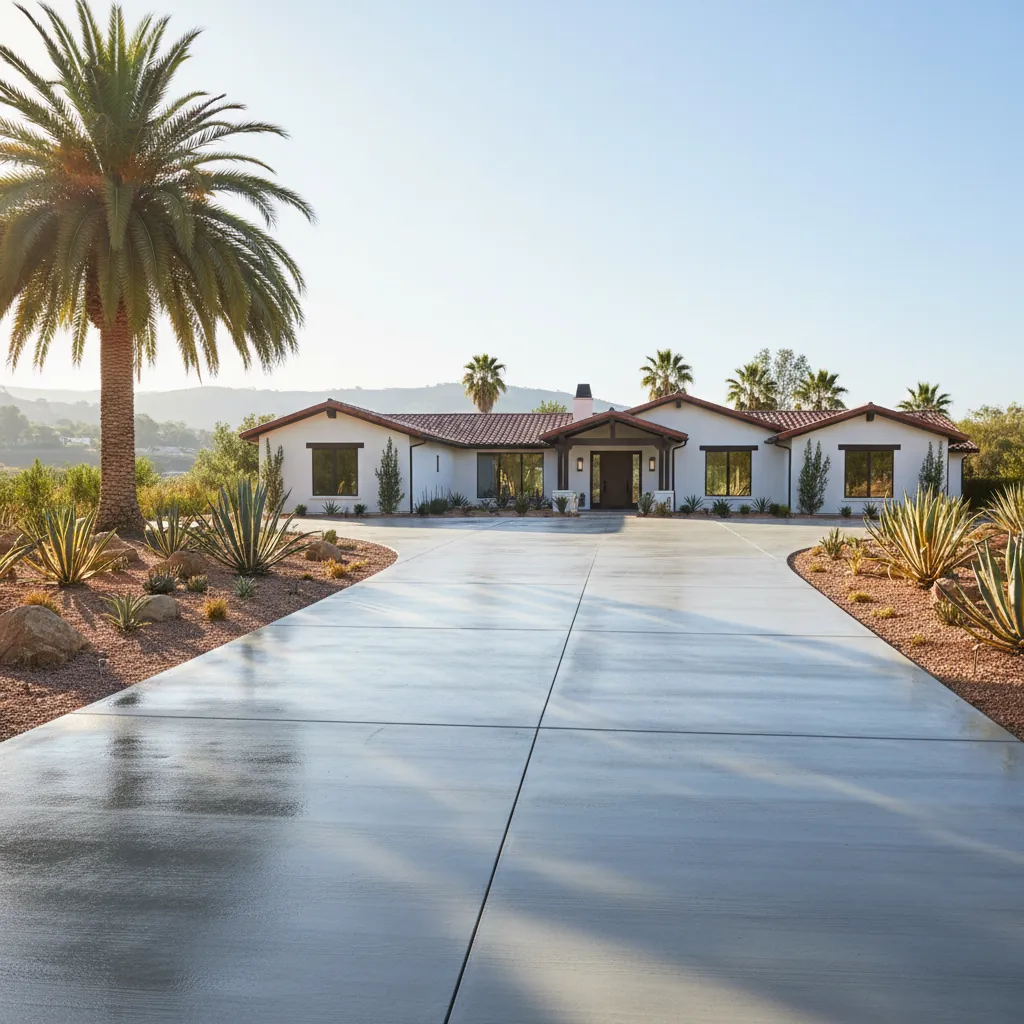
Site evaluation including soil testing and slope assessment
Obtaining necessary engineering plans and LADBS permits
Excavation and grading of rocky San Rafael Hills soil
Installation of robust steel rebar reinforcement and formwork
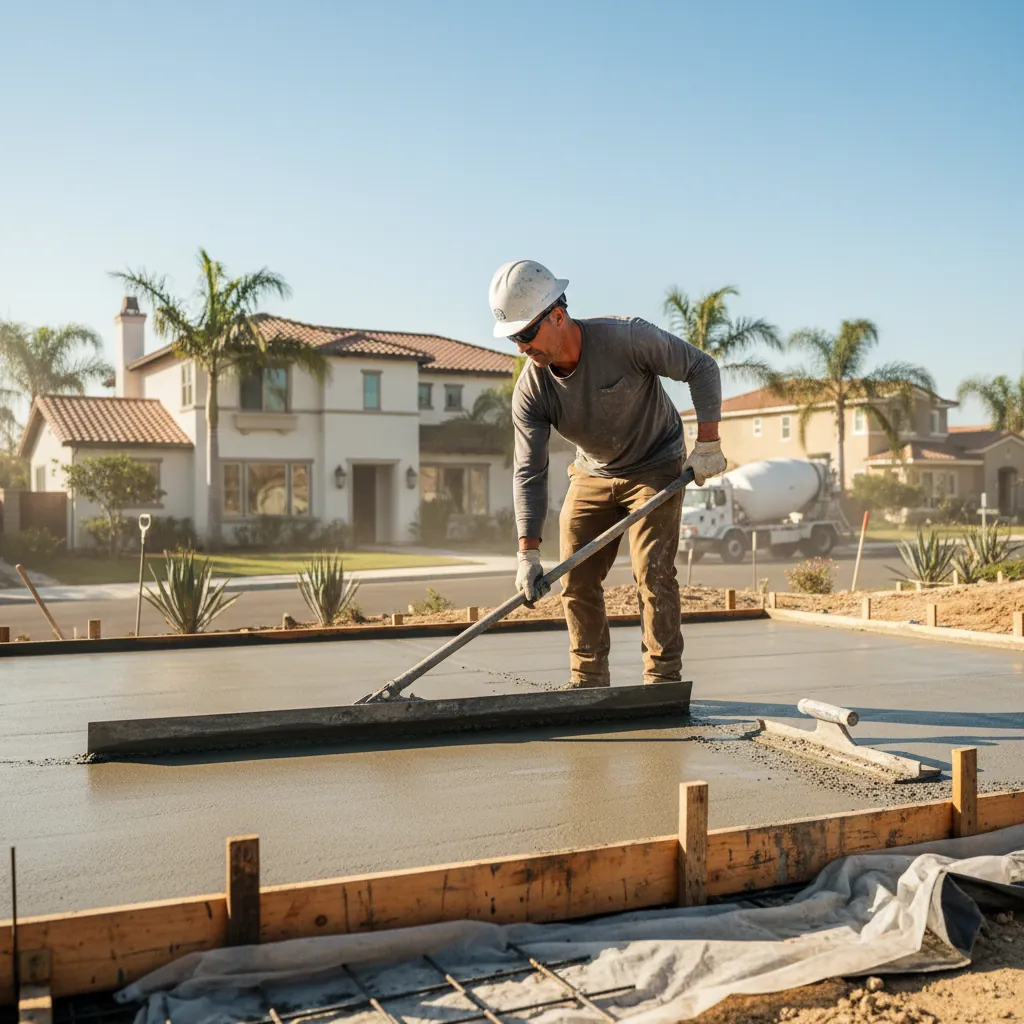
Pouring and finishing with proper moisture-retention curing techniques
Final inspection and drainage verification
Access limits on narrow, winding Eagle Rock streets can increase labor and concrete pump delivery fees.
Steep slopes and rocky soils in the San Rafael Hills require extra excavation, structural steel, and deep footings.
Disposing of old, thick concrete on narrow hillside lots requires specialized equipment and hillside hauling fees.
Typical market ranges for the Greater Los Angeles area, not a quote or a guarantee. The price of your job depends on its scope, so ask each pro for a written estimate before you decide.
Nestled in the scenic San Rafael Hills, Eagle Rock homes require durable, beautifully executed concrete work to withstand both time and terrain. Whether you are replacing a cracked driveway near Occidental College or leveling a terraced backyard, connecting with experienced local specialists ensures structural integrity.
The hilly terrain of the San Rafael Hills features rocky hillside soils that are highly prone to shifting, demanding precise engineering and robust retaining walls to prevent erosion.
Because much of Eagle Rock lies within a designated Very High Fire Hazard Severity Zone, concrete is also a vital, non-combustible material for fire-safe landscaping. Navigating these steep slopes and rocky conditions requires deep familiarity with City of Los Angeles building codes for structural grading and drainage control.
ContractorPro.Leads doesn't do the work itself. We pass your Eagle Rock project to up to four local concrete contractors who take this kind of job, and you decide whether to hire any of them.
From the historic Craftsman bungalows tucked away near Occidental College to the mid-century homes lining the winding streets above Colorado Boulevard, Eagle Rock's diverse architecture requires custom concrete solutions. The heavy traffic and commercial corridors near Eagle Rock Boulevard demand durable commercial-grade flatwork, while residential properties on sloped lots depend on precise structural concrete to maximize usable space and protect foundations from shifting hillside earth.
Tell us what you have in mind. We'll pass it to up to four local pros, and they'll contact you to talk it through.
Yes, the Los Angeles Department of Building and Safety (LADBS) requires a building permit for any retaining wall over four feet tall, or any wall supporting a surcharge, such as a slope or a driveway above it.
For standard flatwork, simple permits may be cleared relatively quickly. However, hillside projects requiring structural engineering, grading plans, or soils reports can take anywhere from 4 to 12 weeks to clear LADBS plan check.
High summer temperatures can cause concrete to set too rapidly, leading to shrinkage cracks and reduced strength. Local pros manage this by using retarder admixtures, wet-curing the concrete, or scheduling pours during the cooler early morning hours.
While LADWP does not directly rebate standard concrete, they offer significant incentives for replacing water-thirsty lawns with sustainable landscaping. Incorporating permeable concrete or decorative gravel alongside your new concrete installation can help you qualify for turf replacement rebates.
Rocky soil requires heavier excavation equipment and more labor hours to dig footings. If solid rock is hit during excavation, specialized pneumatic breaking tools may be necessary, which can increase the preparation cost.
