Typical South Pasadena costs, permit steps and timelines are below. When you are ready, describe your project and up to four local concrete contractors serving South Pasadena will contact you. You compare and decide.
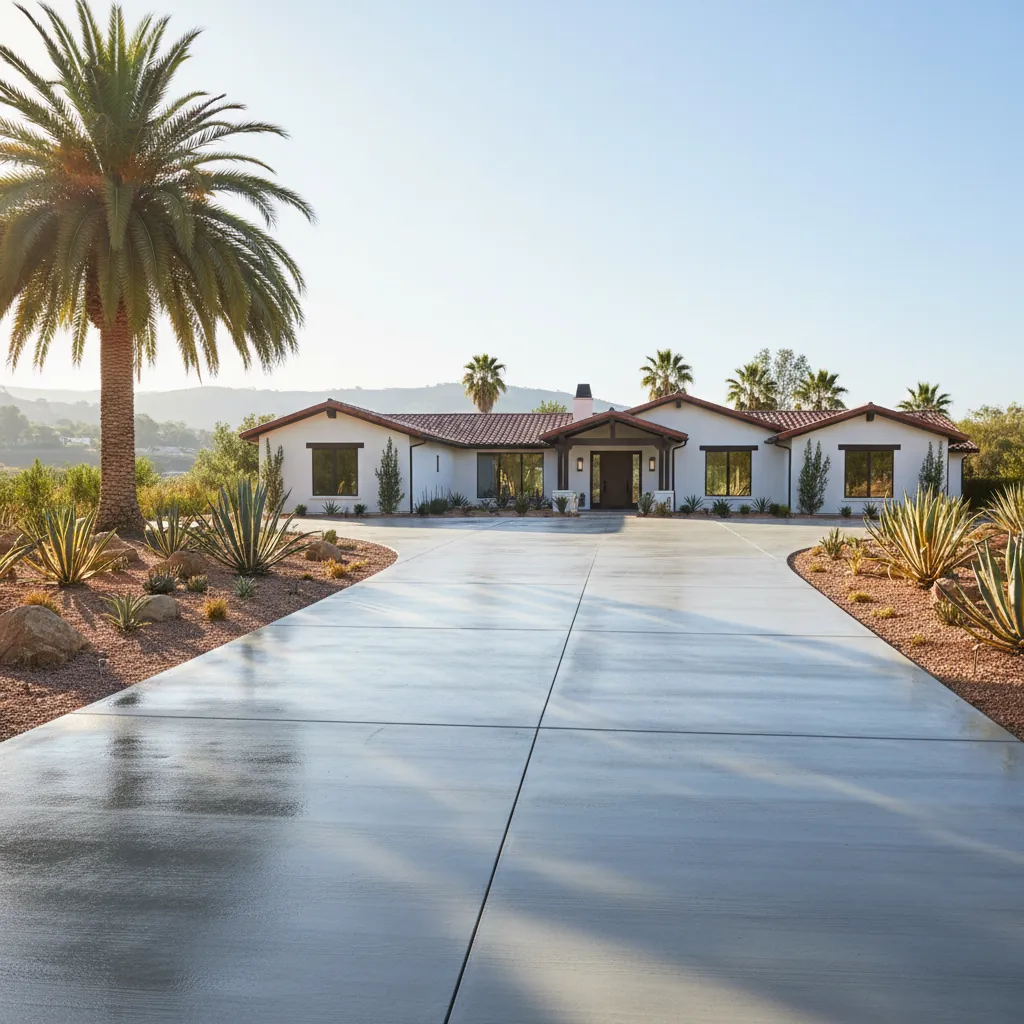
Site assessment, including slope analysis and identification of nearby tree roots.
Subgrade excavation and compaction of the alluvial base material.
Installation of heavy-duty forms and steel rebar reinforcement grids.
Pouring of high-strength concrete mix, tailored for local climate conditions.
Professional finishing, texturing, and cutting of control joints to direct future settlement.
Application of curing sealants and thorough cleanup of the work site.
Pricing varies based on slope accessibility and the need for root barriers or manual excavation around mature landscaping.
Demolition and disposal of old, root-damaged concrete, along with subgrade correction for alluvial soil, typically drive this range.
Custom patterns, coloring, and hand-finished details designed to match historic South Pasadena home styles influence the final cost.
Typical market ranges for the Greater Los Angeles area, not a quote or a guarantee. The price of your job depends on its scope, so ask each pro for a written estimate before you decide.
Nestled between Pasadena and the Arroyo Seco, South Pasadena is celebrated for its historic character, mature tree canopies, and beautifully preserved architecture. Maintaining the driveways, walkways, and patios of these classic properties requires a deep understanding of our local terrain and structural standards. We connect you with experienced concrete contractors who specialize in preserving and upgrading South Pasadena homes.
The gently sloping terrain of South Pasadena features alluvial soils that are prone to shifting and settling, particularly during seasonal transitions from hot, dry summers to wet winters.
Without proper subgrade compaction, deep rebar reinforcement, and precise joint placement, concrete installations here are highly susceptible to cracking and lifting. Additionally, protecting the extensive root systems of our historic coast live oaks and mature street trees during excavation is a critical local requirement.
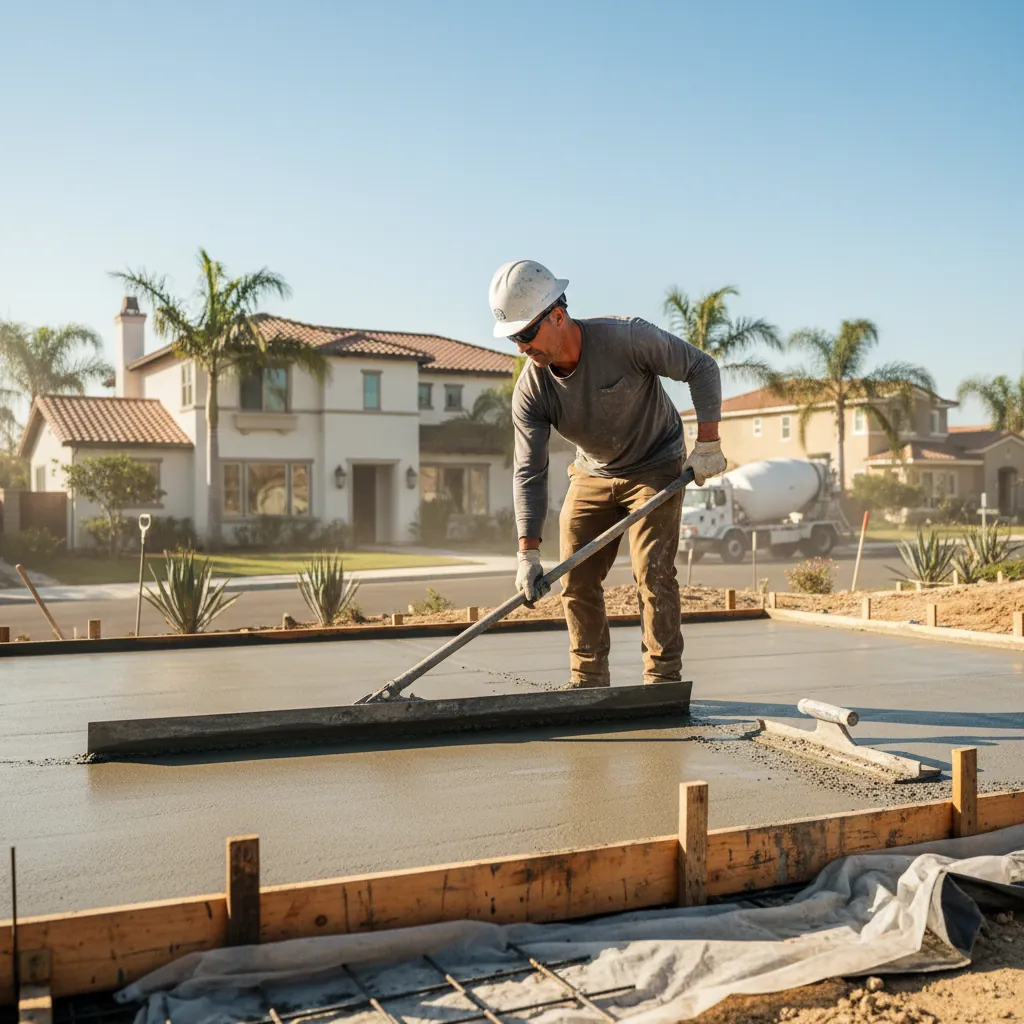
ContractorPro.Leads doesn't do the work itself. We pass your South Pasadena project to up to four local concrete contractors who take this kind of job, and you decide whether to hire any of them.
Whether you are looking to install a custom-stamped patio near the historic corridor of Mission St, replace a cracked driveway off Fair Oaks Ave, or update a walkway near Garfield Park, the local aesthetic demands careful craftsmanship. Projects in South Pasadena must respect the historic preservation guidelines of our neighborhoods while managing the gentle slope of the land running down toward the Arroyo Seco.
Tell us what you have in mind. We'll pass it to up to four local pros, and they'll contact you to talk it through.
Yes, the City of South Pasadena Building Division requires a permit for most concrete flatwork, especially driveways, approach aprons, and walkways that connect to public rights-of-way. Contractors can assist with filing the necessary paperwork and scheduling inspections.
Alluvial soils expand and contract with moisture changes. Local pros mitigate this by compacting a thick gravel base beneath the pour and integrating reinforcing steel rebar, which prevents the concrete from cracking when the ground shifts.
Standard residential concrete permits through the City of South Pasadena Building Division typically take 1 to 2 weeks for review, though projects in historic districts or those affecting public parkways may require additional administrative approval.
Yes. South Pasadena's strict water conservation ordinances limit runoff. Homeowners often choose pervious concrete or integrate decorative concrete bands with drought-tolerant landscaping to ensure compliance with local drainage and water retention guidelines.
While concrete can be poured year-round, the mild spring and fall months offer ideal curing temperatures. During the hot, dry summer months, contractors must take extra precautions, such as pouring early in the morning, to prevent the concrete from drying too quickly.
