Typical South Pasadena costs, permit steps and timelines are below. When you are ready, describe your project and up to four local patio cover builders serving South Pasadena will contact you. You compare and decide.
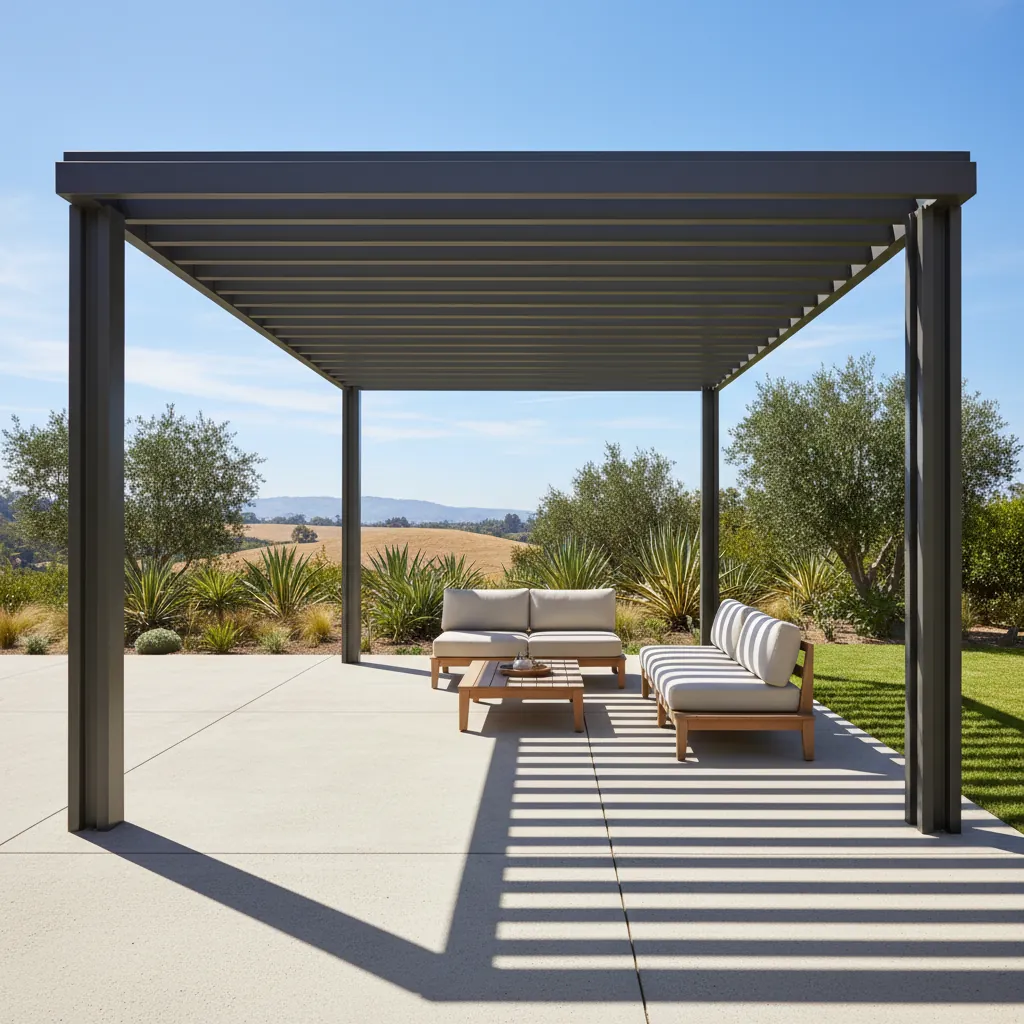
Tucked between the Arroyo Seco and Pasadena, South Pasadena homes enjoy a unique microclimate that calls for seamless indoor-outdoor living. Adding a custom patio cover allows you to fully utilize your backyard year-round, protecting your outdoor space from the intense summer sun while preserving the historic character of your property. We connect you with local, independent contractors who specialize in designing and installing durable patio structures tailored to the area's distinctive home styles.
Designing outdoor structures in South Pasadena requires careful planning due to the gently sloping terrain rising from the Arroyo Seco and the underlying alluvial soils, which demand robust concrete footings to prevent settling.
Additionally, because the city experiences hot, dry summers, choosing materials with high UV resistance is critical to prevent warping and dry rot. Any permanent structure must also carefully align with the City of South Pasadena Building Division's strict structural and design guidelines, particularly in designated historic districts.
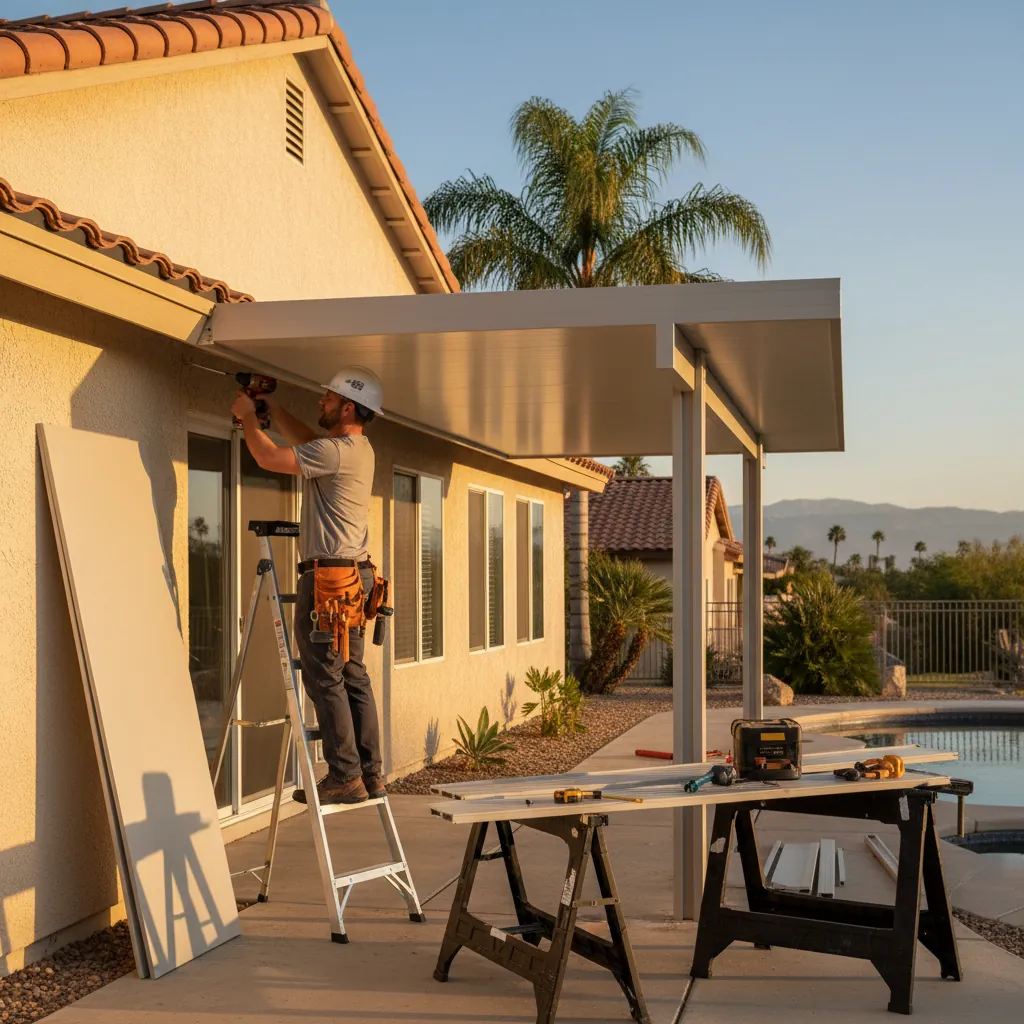
A popular, low-maintenance choice that resists rotting and UV damage in hot South Pasadena summers.
Ideal for matching historic Craftsman homes near Garfield Park, though it requires more ongoing maintenance to preserve the wood.
Motorized louvers offer maximum flexibility for changing weather, allowing you to control light and ventilation near the Arroyo.
Typical market ranges for the Greater Los Angeles area, not a quote or a guarantee. The price of your job depends on its scope, so ask each pro for a written estimate before you decide. Bars share one scale, so you can compare project sizes.
Initial site assessment to evaluate slope, soil stability, and structural attachment points
Custom design and material selection matching the home's architectural style
Drafting engineering plans and submitting permits to the City of South Pasadena Building Division
Excavating and pouring concrete footings tailored to South Pasadena's alluvial soil
Final inspection and sign-off by city building inspectors
ContractorPro.Leads doesn't do the work itself. We pass your South Pasadena project to up to four local patio cover builders who take this kind of job, and you decide whether to hire any of them.
Whether your home is a classic Craftsman near Garfield Park or a mid-century property just off the bustling corridors of Mission Street and Fair Oaks Avenue, your patio cover should complement your neighborhood's architectural legacy. Local pros understand how to design structures that harmonize with the mature tree canopy and strict setback requirements characteristic of these historic, tree-lined streets.
Tell us what you have in mind. We'll pass it to up to four local pros, and they'll contact you to talk it through.
Yes, most permanent patio covers require building and safety permits. The contractors we connect you with will handle the drafting and submission of plans directly to the City of South Pasadena Building Division to ensure full structural compliance.
In South Pasadena, permit turnaround times typically range from 2 to 6 weeks, depending on whether your home is located in a historic preservation zone, which requires additional architectural design review.
While traditional wood beautifully complements local historic architecture, high-grade aluminum (such as Alumawood) is highly recommended for its durability, low maintenance, and resistance to warping under the hot, dry summer sun.
The alluvial soils characteristic of the area between Pasadena and the Arroyo Seco can shift. Local pros design deeper, reinforced concrete footings to ensure the patio cover remains stable and level despite soil movement or gentle slopes.
Yes, South Pasadena promotes green infrastructure. Best practices involve designing patio cover gutter systems that direct rainwater into rain barrels or landscaped garden beds rather than municipal storm drains, aligning with local water conservation goals.
