Typical Eagle Rock costs, permit steps and timelines are below. When you are ready, describe your project and up to four local paver installers serving Eagle Rock will contact you. You compare and decide.
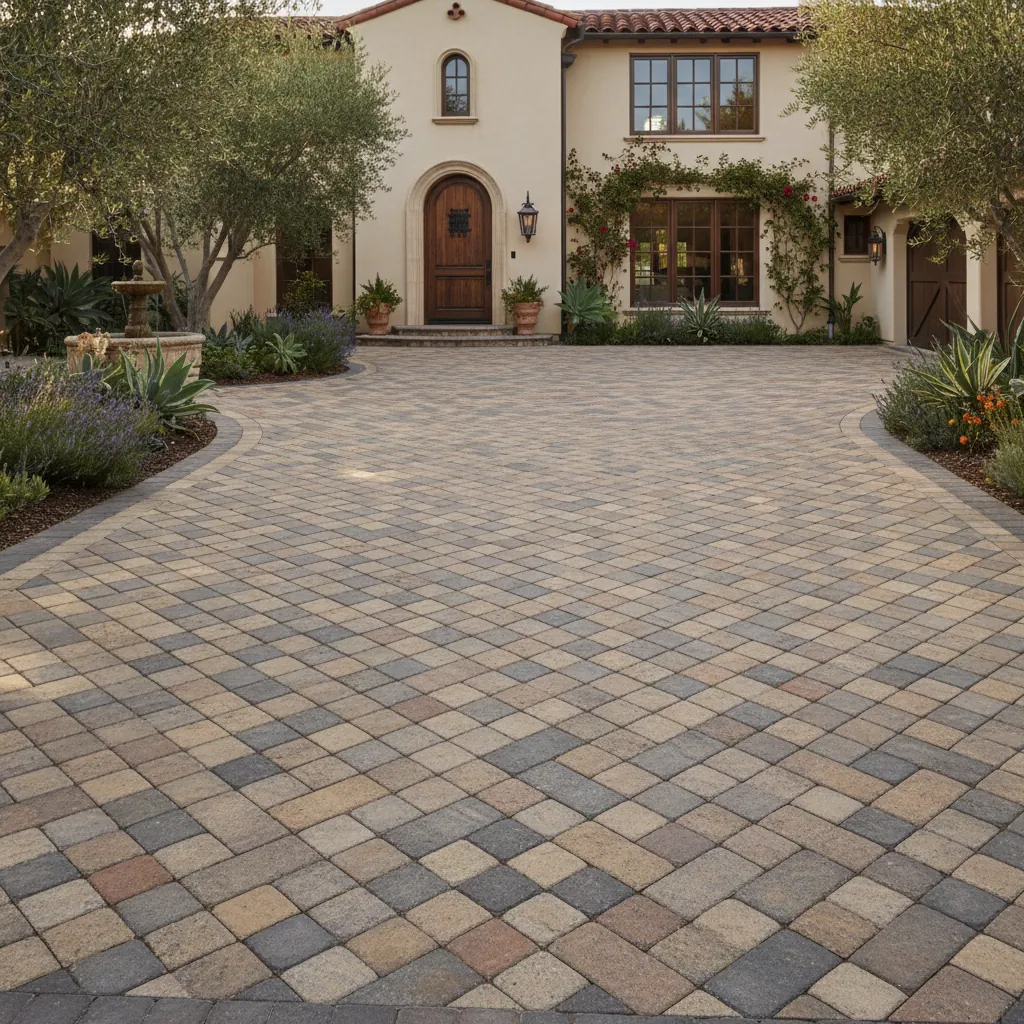
Typical range for flat, easily accessible areas of your yard requiring standard soil preparation and concrete pavers.
Reflects the additional labor, specialized grading equipment, and soil-stabilization measures required for steep properties in the San Rafael Hills.
Includes deep, multi-layered gravel sub-bases engineered to absorb heavy rainfall and comply with municipal stormwater management guidelines.
Typical market ranges for the Greater Los Angeles area, not a quote or a guarantee. The price of your job depends on its scope, so ask each pro for a written estimate before you decide.
Tucked into the scenic San Rafael Hills, properties in the 90041 ZIP code boast unique architectural charm but face demanding geographical terrains. Upgrading your driveways, patios, or walkways with interlocking pavers provides a slip-resistant, durable surface that adapts to natural ground movement.
The rocky hillside soils and steep slopes characteristic of Eagle Rock's hillside pockets demand expert preparation before a single paver is laid.
Standard installations can easily wash out or shift during winter rains without engineered grading, robust base compaction, and strategic retaining walls. Furthermore, because several hilly residential areas here lie within designated fire hazard severity zones, choosing non-combustible hardscape materials is a critical component of local wildfire safety and property protection.
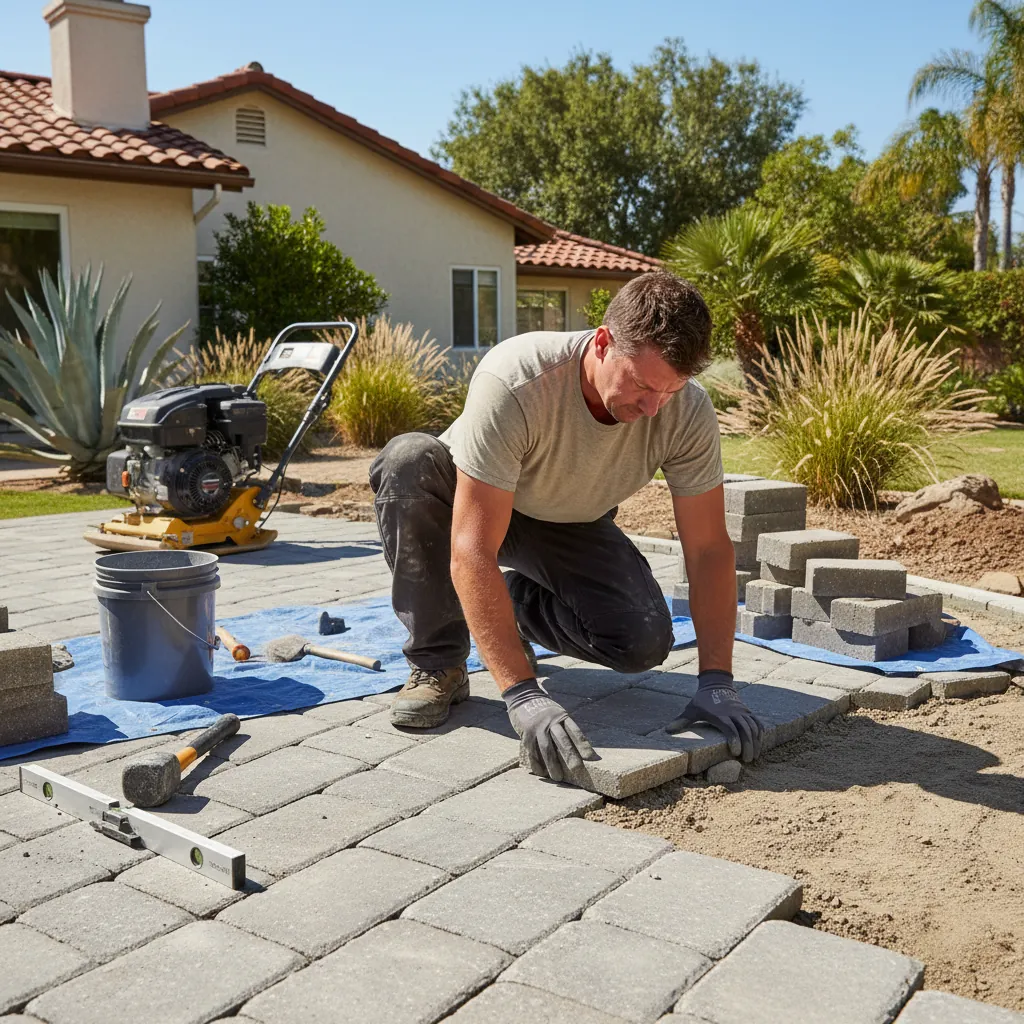
Initial site consultation to assess slope, drainage, and property boundaries
Precision excavation and grading to establish a stable, level sub-grade
Placement of professional-grade geotextile fabric to prevent soil migration
Installation and mechanical compaction of a dense aggregate base layer
Screeding of bedding sand and precision laying of interlocking pavers
Joint sanding, final compaction, and application of a protective joint sealer
ContractorPro.Leads doesn't do the work itself. We pass your Eagle Rock project to up to four local paver installers who take this kind of job, and you decide whether to hire any of them.
Whether you own a historic Craftsman home near Occidental College, a mid-century property overlooking Eagle Rock Blvd, or a bungalow just blocks from Colorado Blvd, your outdoor space should harmonize with the local landscape. Area hardscaping professionals specialize in tailoring paver patterns and drainage systems to the unique, terraced yards that define this distinct Northeast Los Angeles community.
Tell us what you have in mind. We'll pass it to up to four local pros, and they'll contact you to talk it through.
Standard flat paver patios, walkways, and driveways typically do not require an LADBS permit. However, if your project involves engineered retaining walls over four feet high or significant grading on steep hillside lots, structural plans must be submitted and approved by LADBS before work begins.
Yes. If you are replacing an existing grass lawn with permeable pavers, you may qualify for the Los Angeles Department of Water and Power (LADWP) turf replacement rebate. The installation must allow rainwater to filter directly back into the ground rather than running off into the street.
The rocky hillside soil in the 90041 area can swell and shrink, causing traditional poured concrete to crack over time. Interlocking pavers are highly recommended here because the joints allow the system to flex slightly with ground movement without cracking or displacing.
Absolutely. Concrete, stone, and brick pavers are non-combustible materials. Utilizing them to create patios, pathways, and defensible space around your home is an excellent way to comply with local wildfire mitigation recommendations in Eagle Rock's designated fire hazard areas.
While our climate allows for year-round installation, the dry months between late spring and late autumn are ideal. Installing during the dry season prevents working with muddy, unstable soil, ensuring optimal compaction of the aggregate base.
