Typical Los Feliz costs, permit steps and timelines are below. When you are ready, describe your project and up to four local paver installers serving Los Feliz will contact you. You compare and decide.
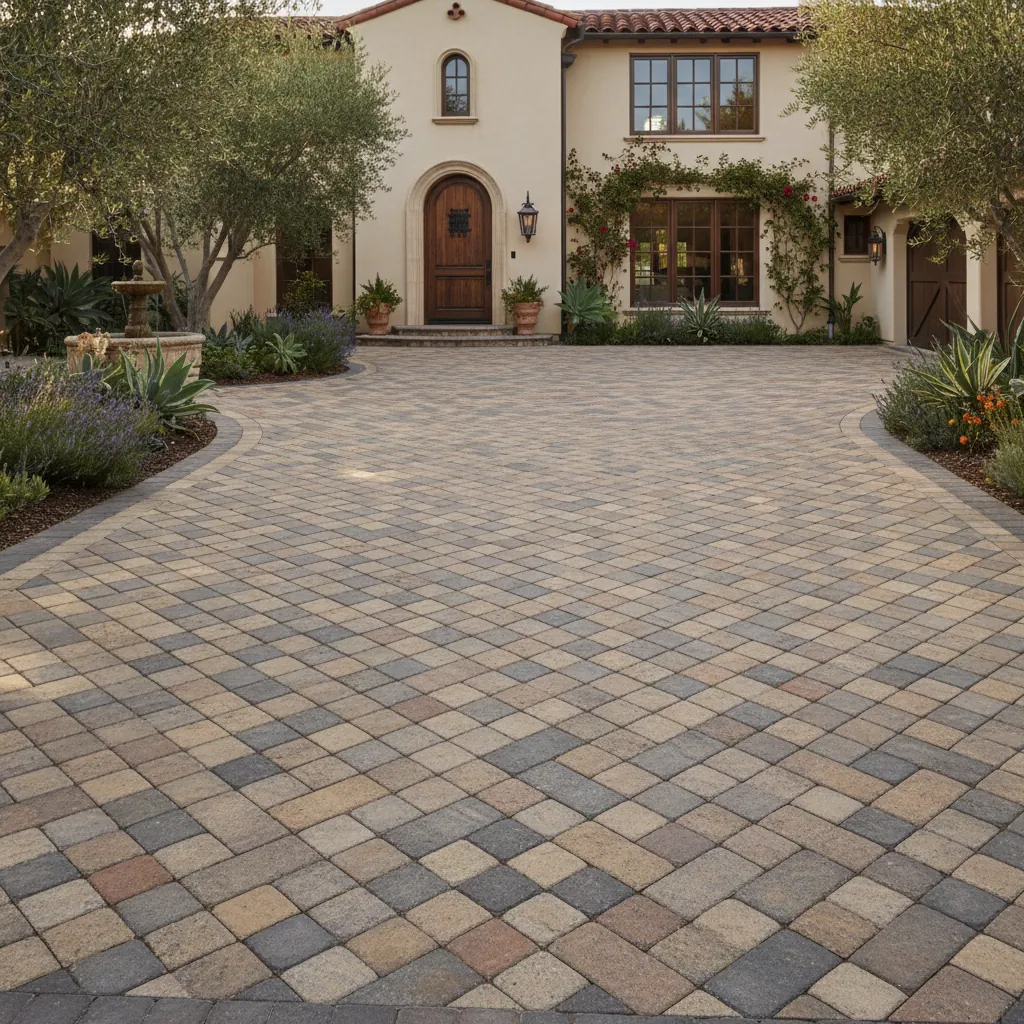
Ideal for flat areas near Los Feliz Blvd. Prices vary based on paver style and accessibility for equipment.
Reflects the additional engineering, reinforced sub-base, and labor required to secure pavers on steep slopes below Griffith Park.
Designed to manage rainwater runoff directly on-site, highly recommended for hillside properties to prevent erosion.
Typical market ranges for the Greater Los Angeles area, not a quote or a guarantee. The price of your job depends on its scope, so ask each pro for a written estimate before you decide.
From the classic Spanish Colonial Revivals near Vermont Avenue to the mid-century modern homes climbing the hills below Griffith Park, Los Feliz properties demand hardscaping that matches their architectural character. Upgrading your driveway, pool deck, or patio with premium pavers enhances curb appeal while handling the unique demands of our local terrain.
In Los Feliz, hardscaping must contend with a stark transition from alluvial soil flats along Los Feliz Boulevard to rocky, shifting soils on the steep hillside streets below Griffith Park.
Furthermore, properties climbing into the hills reside within City of Los Angeles Very High Fire Hazard Severity Zones, requiring non-combustible defensible space. Improperly engineered paver installations on these slopes risk shifting, erosion, or cracking during wet winter downpours following hot, dry summers.
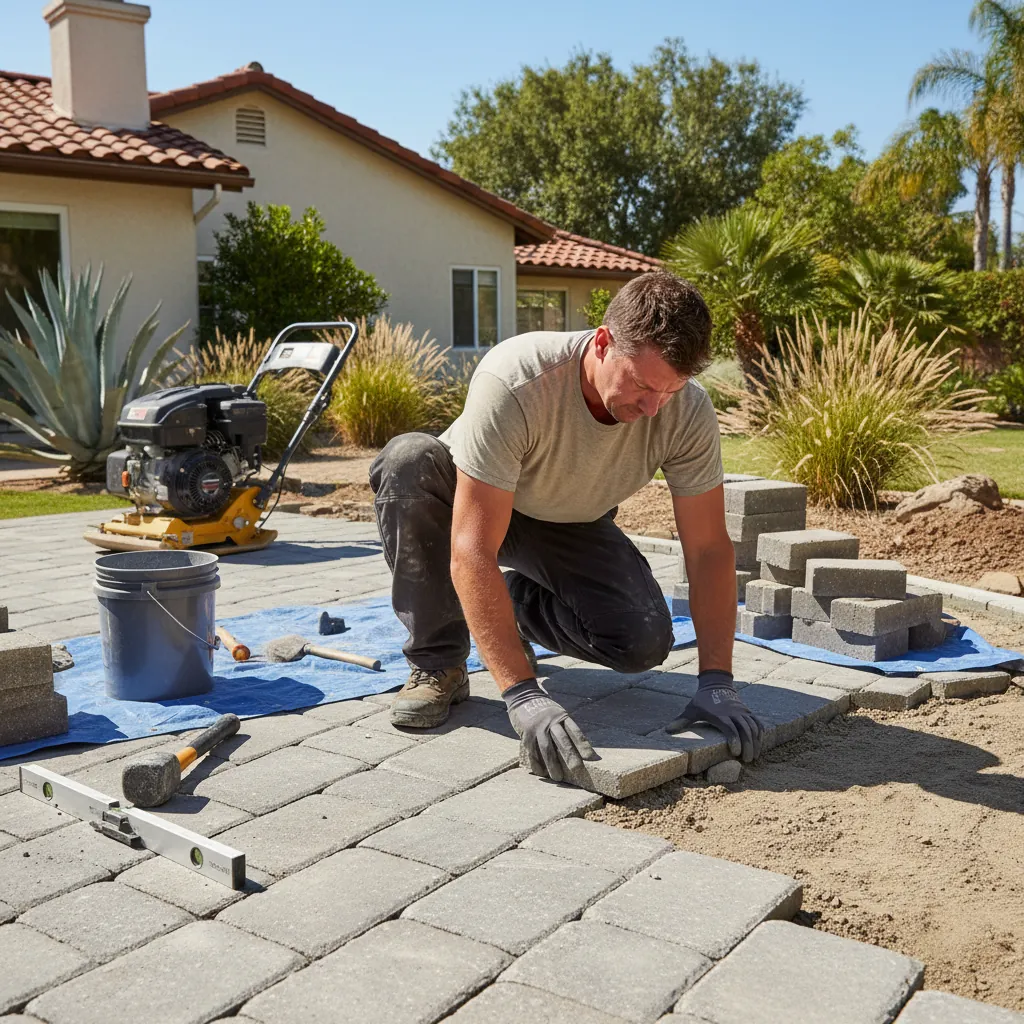
Site evaluation to assess slope gradient, soil type, and drainage paths.
Excavation and grading to establish a stable, well-draining sub-grade.
Installation of a compacted crushed stone base and geotextile soil stabilization fabric.
Precise laying of selected concrete, brick, or natural stone pavers in the specified pattern.
Application of joint sand and mechanical compaction to lock the pavers into a monolithic surface.
Final inspection of edge restraints and compliance with local drainage requirements.
ContractorPro.Leads doesn't do the work itself. We pass your Los Feliz project to up to four local paver installers who take this kind of job, and you decide whether to hire any of them.
Whether you are strolling past the historic estates near Los Feliz Boulevard, grabbing a coffee along bustling Vermont Avenue, or heading up toward Griffith Park, the architectural beauty of this neighborhood is undeniable. Pavers offer a versatile design solution that complements everything from historic Mediterranean villas to sleek hillside retreats. Because our neighborhood transitions rapidly from flat, tree-lined streets to winding mountain drives, local paving projects require careful planning to respect both the historic character and the challenging topography of the area.
Tell us what you have in mind. We'll pass it to up to four local pros, and they'll contact you to talk it through.
For standard flat driveways, a simple flatwork permit or no permit may be required, but hillside properties under LADBS jurisdiction often require grading permits or specific engineering plans if retaining walls are involved or if the slope exceeds certain thresholds.
The neighborhood features alluvial soils in the flats and rocky, shifting soils on the hillsides. A professional installer must use a thicker, highly compacted base layer and geotextile fabric to prevent the pavers from sinking or shifting as the clay-heavy or rocky soils expand and contract.
Yes, if you are replacing existing turf with permeable pavers, you may qualify for the LADWP Turf Replacement Program. This rebate requires the installation of permeable hardscape that allows water to infiltrate the ground rather than running off into the street.
Absolutely. Concrete and stone pavers are completely non-combustible and serve as an excellent component of your home's 30-foot defensible space zone, helping to protect your property from wildfire spread.
A standard driveway on flat terrain usually takes 3 to 5 days. For hillside properties requiring extra excavation, soil stabilization, or retaining structures, the timeline can extend to 1 to 2 weeks depending on accessibility.
