Typical Hancock Park costs, permit steps and timelines are below. When you are ready, describe your project and up to four local paver installers serving Hancock Park will contact you. You compare and decide.
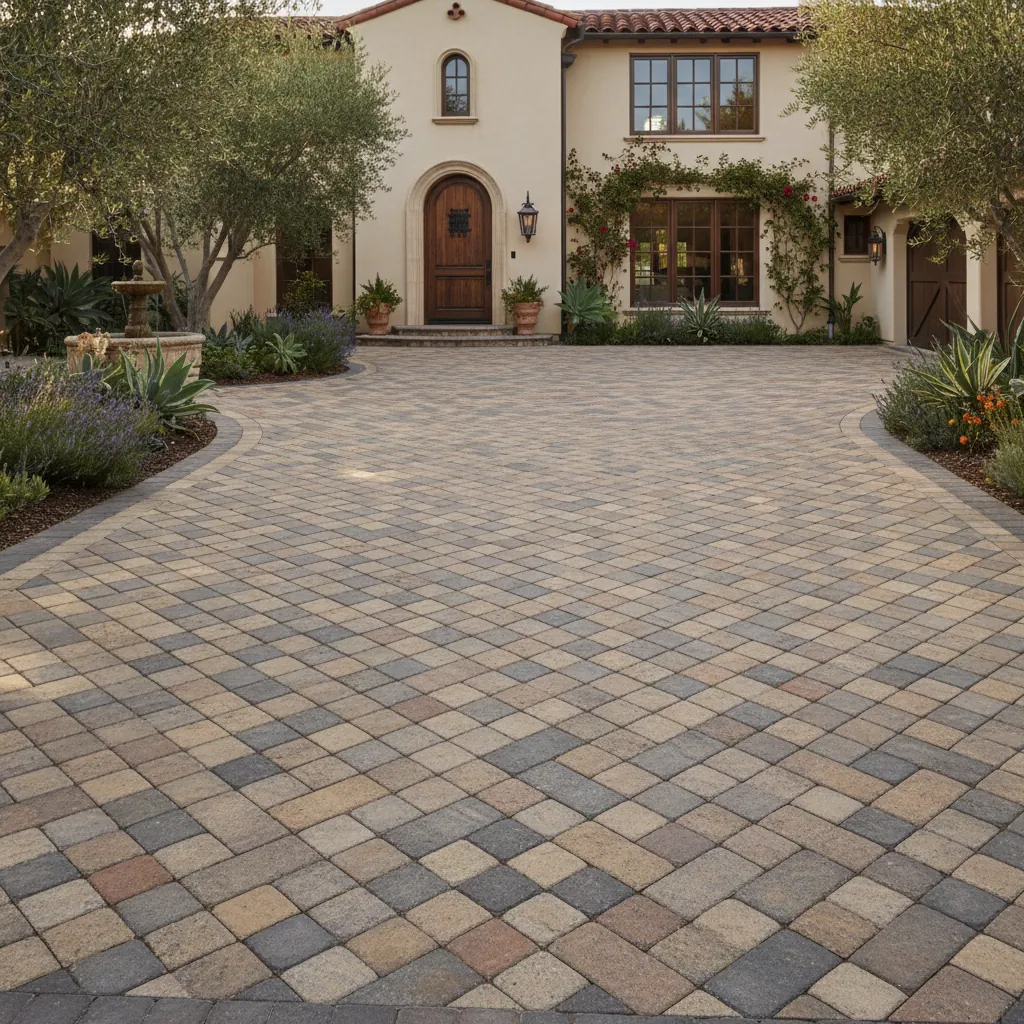
Standard patterns with minimal grading, ideal for flat patios or walkways.
Highly durable materials that beautifully match 1920s period-revival homes, requiring skilled craftsmanship.
Engineered for superior drainage and LADWP compliance, involving deeper excavation and specialized aggregate layers.
Typical market ranges for the Greater Los Angeles area, not a quote or a guarantee. The price of your job depends on its scope, so ask each pro for a written estimate before you decide.
Hancock Park’s storied 1920s estates demand hardscaping that honors their timeless period-revival architecture. Whether you are updating a driveway off Rossmore Avenue or designing a private courtyard patio, the right stone or brick paving brings longevity and elegance to your property.
Installing pavers in Hancock Park requires addressing the flat basin soil, which is prone to shifting and can impact original raised foundations if runoff is poorly managed.
Additionally, the neighborhood’s iconic, mature tree-lined blocks mean hardscaping projects must carefully navigate extensive root systems without damaging protected trees. Utilizing flexible, interlocking pavers instead of poured concrete prevents cracking caused by soil expansion and root pressure.
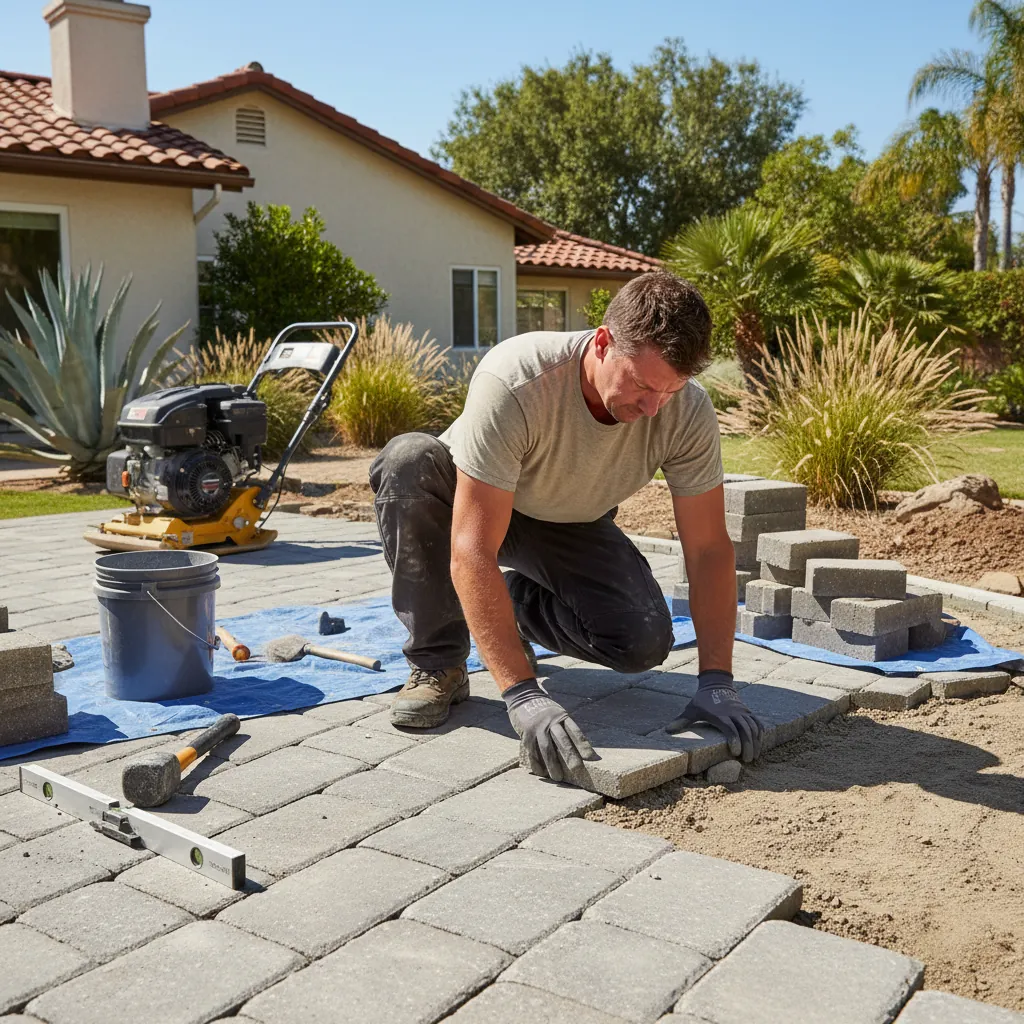
Site assessment to map out utility lines, property boundaries, and mature tree roots
Excavation of old concrete or soil to the proper depth for sub-base stability
Installation of a high-quality geotextile fabric and a compacted aggregate base
Screeding a precise layer of bedding sand to ensure a perfectly level surface
Laying the selected pavers in the approved pattern and cutting edges to fit
Applying joint sand and compacting the pavers to lock them permanently in place
ContractorPro.Leads doesn't do the work itself. We pass your Hancock Park project to up to four local paver installers who take this kind of job, and you decide whether to hire any of them.
From the classic estates lining the Wilshire Country Club to the bustling pedestrian charm of Larchmont Village, Hancock Park features some of Los Angeles’ most beautiful outdoor spaces. Upgrading your driveway or garden walkways with period-accurate pavers—such as tumbled concrete, cobblestone, or historic clay brick—respects the aesthetic integrity of these 1920s properties. Local contractors understand how to design layouts that integrate seamlessly with the neighborhood's setback requirements and historic preservation guidelines.
Tell us what you have in mind. We'll pass it to up to four local pros, and they'll contact you to talk it through.
Typically, standard residential patios and driveways on private property do not require a building permit from LADBS. However, if your project involves changing public right-of-way pathways, sits within a Historic Preservation Overlay Zone (HPOZ), or requires retaining walls, specific clearances and permits will be necessary.
The roots of historic oaks and sycamores can easily crack standard concrete. Interlocking pavers are highly recommended because they can flex individually with minor root movement. Experienced local contractors will also install root barriers and use hand-excavation techniques near tree canopies to protect both the tree and your hardscaping.
Yes. The Los Angeles Department of Water and Power (LADWP) offers rebates for replacing turf with sustainable landscaping, which can include permeable paver systems. These pavers allow rainwater to filter directly into the ground, reducing runoff and helping meet local conservation guidelines.
A standard two-car driveway in Hancock Park generally takes between 3 to 5 days of active on-site work. This includes excavation, base preparation, paver laying, and final compaction. Extensive root mitigation or complex pattern designs can extend this timeline.
Absolutely. Local pros source materials that mimic historic clay bricks, weathered cobblestone, and tumbled concrete. These textures and earthy color palettes perfectly complement Tudor, Spanish Colonial, and traditional architecture common along Rossmore Avenue.
