Typical Hancock Park costs, permit steps and timelines are below. When you are ready, describe your project and up to four local concrete contractors serving Hancock Park will contact you. You compare and decide.
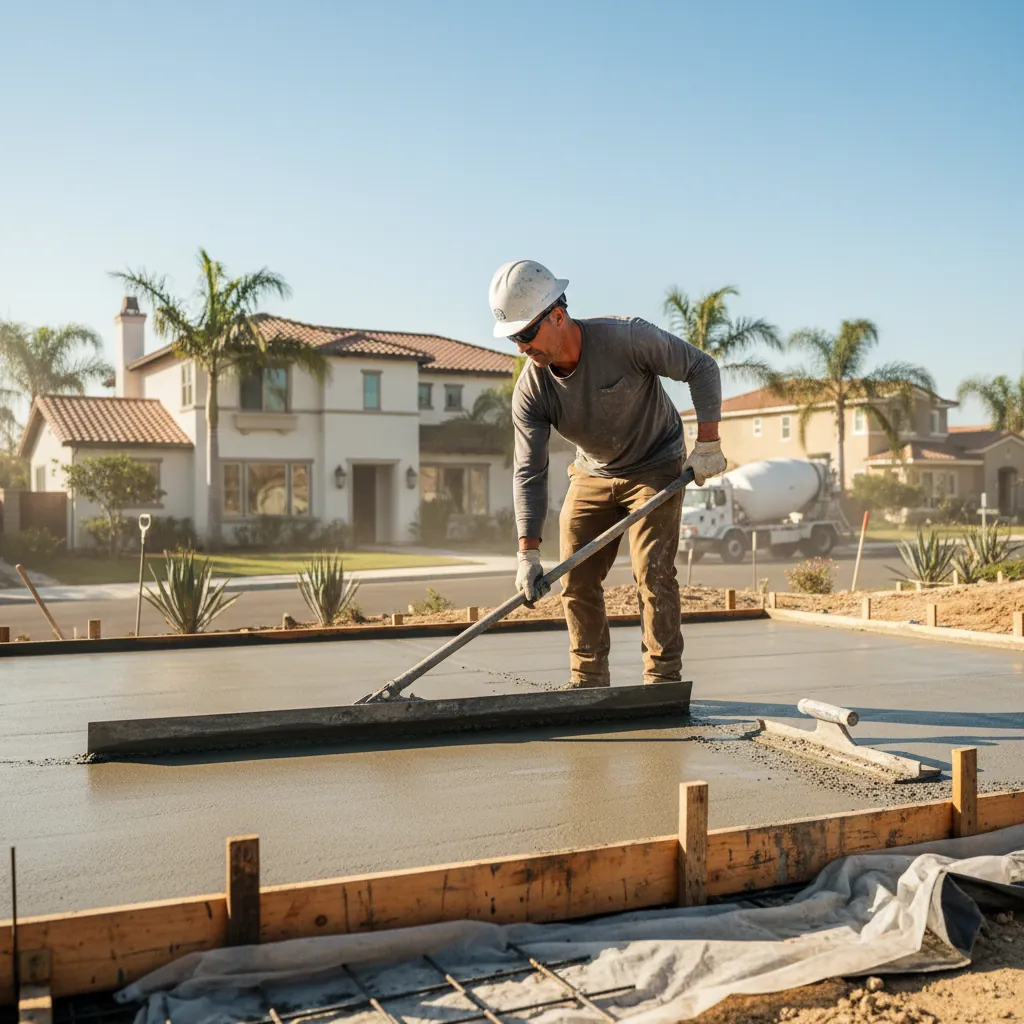
Site assessment and utility marking via DigAlert
Excavation and careful root pruning with protective barriers
Subgrade preparation and heavy-duty mechanical compaction
Formwork installation and steel rebar reinforcement placement
Concrete pouring, hand-finishing, and application of curing compounds
Final site cleanup, joint sealing, and form removal
Reflects the cost of grading flat clay soils, installing rebar reinforcement, and pouring high-PSI concrete.
Higher range accounts for custom colors, hand-detailing, and patterns that mimic historic stone to match period-revival estates.
Covers cutting away cracked sections, carefully pruning invasive roots of mature parkway trees, and installing root barriers before repouring.
Typical market ranges for the Greater Los Angeles area, not a quote or a guarantee. The price of your job depends on its scope, so ask each pro for a written estimate before you decide. Bars share one scale, so you can compare project sizes.
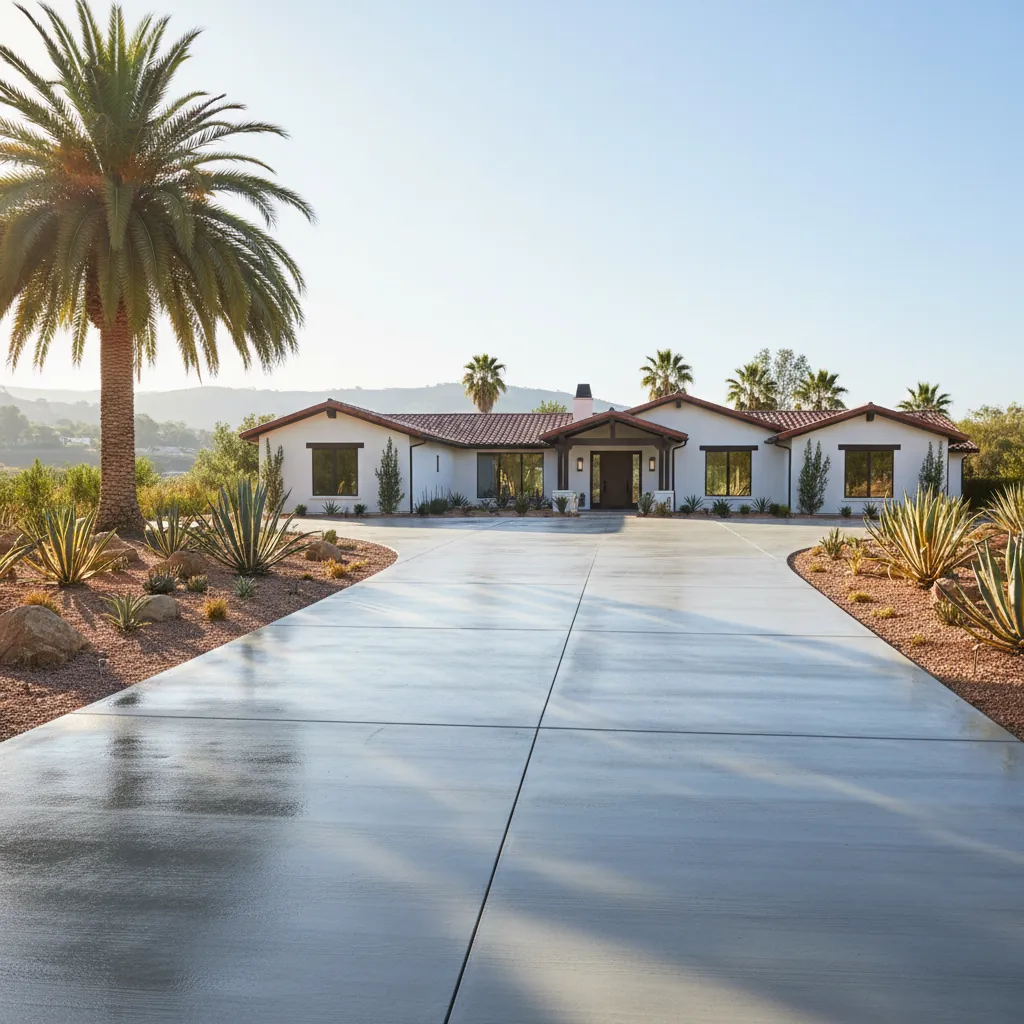
Maintaining the elegant, historic character of Hancock Park requires a careful, customized approach to hardscaping. From matching the classic aesthetic of 1920s estates to pouring durable new driveways, we connect you with skilled local concrete specialists who understand the unique architectural standards of this prestigious Mid-City neighborhood.
While Hancock Park's terrain is beautifully flat, the clay-heavy basin soils beneath our historic homes are prone to significant expansion and contraction.
This movement, coupled with invasive roots from mature, tree-lined parkways, can easily crack standard concrete pours if they lack proper sub-base preparation and heavy-duty steel reinforcement.
ContractorPro.Leads doesn't do the work itself. We pass your Hancock Park project to up to four local concrete contractors who take this kind of job, and you decide whether to hire any of them.
Whether you are updating a driveway along Rossmore Avenue, installing a custom patio near the Wilshire Country Club, or matching the vintage pedestrian pathways near Larchmont Village, local concrete projects must respect the area's rich architectural heritage. Contractors in our network specialize in architectural finishes that complement 1920s period-revival aesthetics while complying with local design guidelines.
Tell us what you have in mind. We'll pass it to up to four local pros, and they'll contact you to talk it through.
Yes, most flatwork, especially driveways crossing the public right-of-way, requires a permit from the Los Angeles Department of Building and Safety (LADBS). If your home is in the historic preservation zone, HPOZ board review is also required.
The local soil expands when wet and shrinks when dry, which can cause concrete to shift and crack over time. Local pros address this by digging a deeper sub-base, compacting it thoroughly, adding crushed rock, and utilizing steel rebar reinforcement.
Yes. The Los Angeles Department of Water and Power (LADWP) offers rebates for transforming traditional turf or hardscape into permeable surfaces that capture rainwater, though specific design guidelines must be met.
Standard flatwork permits can sometimes be issued over-the-counter, but if your property falls within the Hancock Park Historic Preservation Overlay Zone, the design review can add 2 to 6 weeks to the timeline.
Thanks to mild Mid-City weather, concrete can be poured year-round. However, late spring through early autumn is ideal to avoid winter rain delays, as unexpected moisture can ruin the curing process.
