Typical Hancock Park costs, permit steps and timelines are below. When you are ready, describe your project and up to four local turf installers serving Hancock Park will contact you. You compare and decide.
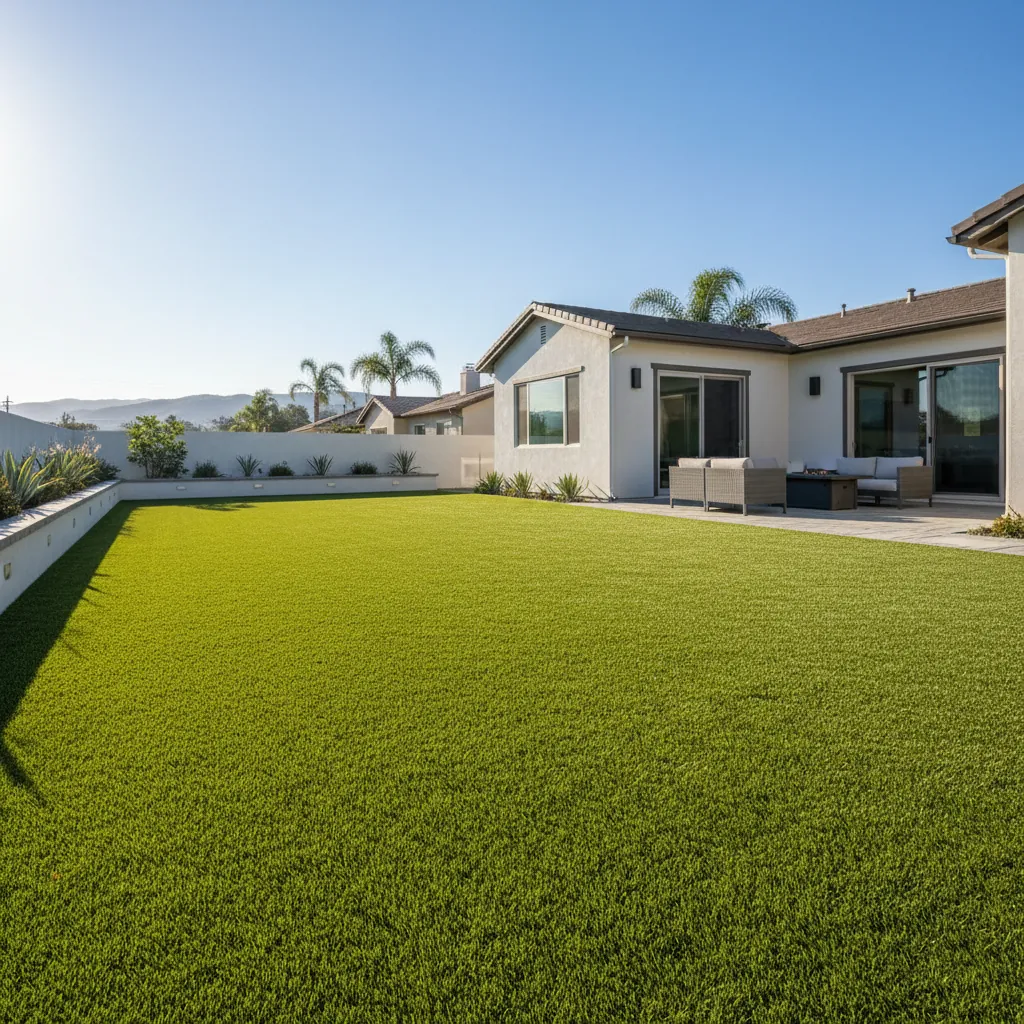
High-end, multi-tonal fibers with natural-looking thatch appropriate for historic properties.
Includes excavation of flat basin soil, root management around mature trees, sub-base compaction, and seamless fitting.
Highly recommended for homes with raised foundations to ensure water drains away from crawlspaces during heavy winter rains.
Typical market ranges for the Greater Los Angeles area, not a quote or a guarantee. The price of your job depends on its scope, so ask each pro for a written estimate before you decide.
Maintaining a lush, green lawn among the stately historic estates of Hancock Park is a significant investment in time and water. Homeowners along Rossmore Avenue and surrounding tree-lined blocks are increasingly transitioning to premium synthetic turf to preserve their property's elegant curb appeal.
The flat basin soils of Hancock Park, combined with the mature, expansive root systems of historic street trees, require careful sub-base preparation to prevent sinking and ensure proper drainage.
Furthermore, many classic homes here sit on original raised foundations, meaning perimeter grading must redirect runoff away from crawlspaces rather than letting it pool. Local contractors must also navigate City of Los Angeles landscaping standards regarding parkways and permeable surfaces.
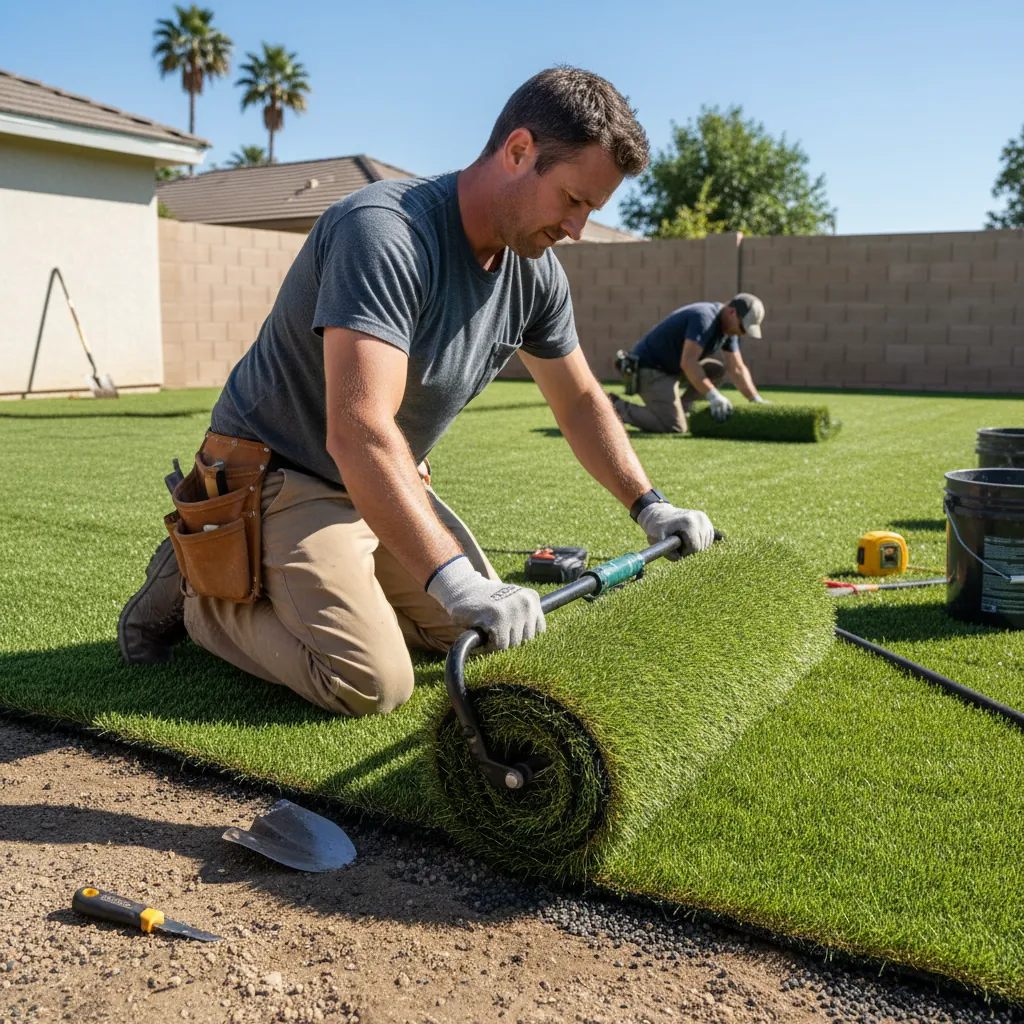
Conducting a site assessment to evaluate mature tree root locations and soil drainage characteristics.
Excavating 3 to 4 inches of the existing basin soil to prepare the sub-grade.
Installing a crushed aggregate sub-base and compacting it to prevent future settling.
Laying a heavy-duty weed barrier and securing the perimeter adjacent to historic brickwork or foundations.
Rolling, stretching, and precision-cutting the premium, low-sheen synthetic turf.
Applying non-toxic, pet-safe infill and power-brushing the fibers to stand naturally.
ContractorPro.Leads doesn't do the work itself. We pass your Hancock Park project to up to four local turf installers who take this kind of job, and you decide whether to hire any of them.
From the manicured borders of the Wilshire Country Club to the vibrant walking districts near Larchmont Village, Hancock Park demands a high standard of landscape design. Standard synthetic turf can look out of place next to a 1920s Spanish Colonial or Tudor revival; it requires a subtle, multi-toned thatch and low-sheen fibers that mimic natural Southern California fescues. Local pros understand how to integrate artificial grass seamlessly with existing mature hedges and brick pathways characteristic of this historic neighborhood.
Tell us what you have in mind. We'll pass it to up to four local pros, and they'll contact you to talk it through.
For standard backyard installations on private property, a building permit is typically not required by LADBS. However, if you plan to install synthetic turf in the parkway (the public right-of-way between the sidewalk and the street), you must obtain a revocable permit from the LA Bureau of Street Services.
Yes, the Los Angeles Department of Water and Power (LADWP) offers substantial turf replacement rebates. However, to qualify, the synthetic turf must meet specific permeability standards, and you must apply and receive pre-approval before removing your existing lawn.
The flat basin soils in the 90004 area drain more slowly than sandy coastal soils. Local pros prevent pooling by excavating deeper and installing a minimum 3-inch compacted class-II road base or decomposed granite sub-layer to facilitate proper vertical drainage.
Yes, provided you choose the right product. Contractors serving Hancock Park typically recommend premium, low-glare turf with a 1.5- to 2-inch pile height and a multi-toned green and brown thatch that mimics local rye or fescue grasses.
Mature trees present two challenges: root systems and shade. Local professionals carefully map out major surface roots during excavation to avoid damaging the trees, adjusting the sub-base height around critical root zones, and use breathable materials that still allow moisture to reach the root network.
