Local artificial turf pros in 65 Los Angeles-area neighborhoods. Each request goes to up to four of them.
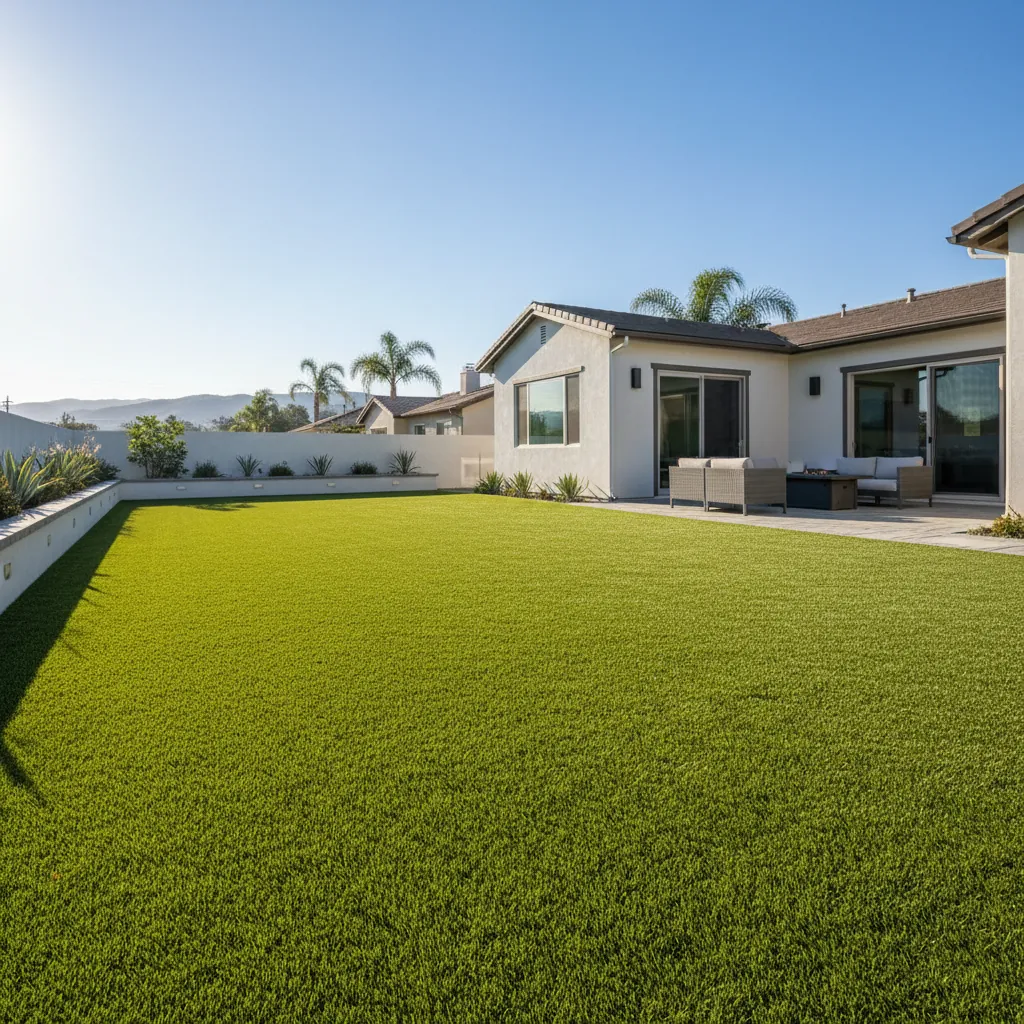
Artificial turf replaces a lawn with synthetic grass laid over a compacted base, and installers also build putting greens, dog runs and play areas. In Greater Los Angeles, homeowners usually choose it to stop watering a front yard, to cover shady strips where grass dies, or for pets. In Greater San Antonio the draw is often summer watering limits, dead patches over shallow caliche and space for kids to play. We forward your request to turf installers who work in your neighborhood.
Installation starts with removing the existing grass and roots, usually three to four inches of soil, and capping or converting sprinklers. The crew lays weed barrier where needed, spreads crushed rock base, grades it for drainage and compacts it with a plate compactor. Turf rolls are seamed with tape and adhesive, stretched, nailed or stapled at the edges and filled with infill such as silica sand, coated sand or an organic product. Pet areas get a free-draining base and antimicrobial infill. A yard of 500 to 1,000 square feet often takes two to four days.
Ground and climate change the build. Valley neighborhoods with expansive clay drain slowly, so the base often needs to be deeper and sloped to a drain or gravel trench. Hillside lots need edge restraints so the base does not creep downhill, and some owners in fire zones ask how synthetic surfaces behave near embers. Summer sun in Woodland Hills or the San Gabriel Valley heats turf well above air temperature, which matters for pets and play. Around San Antonio, caliche near the surface slows excavation, heavy storms test drainage, and July sun makes surface heat a real concern.
Most turf jobs do not need a building permit, but drainage changes, retaining edges or front yard work in a historic area may draw review, so ask your installer. Check water rebates before you sign: many Southern California turf replacement programs have excluded synthetic grass, and SAWS conservation offers have changed over time, so read the current terms. HOAs in both metros may want to approve the product and color. Spring and fall are the most comfortable install seasons. Ask for the manufacturer's UV fade warranty in writing, along with the installer's separate workmanship term.
| Job | Typical range | What moves the price |
|---|---|---|
| Turf installed, standard residential | $8 - $15 / sq ft | Product weight, pile height and base depth matter most; small or odd-shaped yards cost more per foot. |
| Pet-grade turf with drainage base | $10 - $18 / sq ft | Flow-through backing, deodorizing infill and a deeper base add cost but cut odor and puddling. |
| Putting green | $15 - $35 / sq ft | Contouring, cups and short-pile putting turf take more skilled labor and careful base shaping. |
| Removing existing lawn and soil | $1.50 - $4 / sq ft | Caliche, big roots or haul-off from hillside streets without truck access raise this line. |
| Irrigation capping or conversion | $200 - $900 | Capping heads is cheap; converting zones to drip for nearby plant beds costs more. |
| Edging, borders and mow strips | $8 - $25 / linear ft | Concrete borders cost more than plastic or steel edging but hold the turf edge longer. |
Typical market ranges, not a quote. Your price depends on the house, the scope and the season; compare written quotes.
Type your ZIP code and we take you to the artificial turf page for your neighborhood. If we do not cover that ZIP yet, you go to the request form with it filled in.
We also match artificial turf requests in 6 San Antonio neighborhoods.
Installed turf in Los Angeles and San Antonio usually runs around $8 to $15 per square foot, including removal, base and infill. Pet systems and putting greens cost more, and very small yards often carry a minimum charge. Base and labor are a large share, so compare base depth and compaction method as well as the turf price.
Often not. Many Southern California turf replacement programs, including those offered through LADWP and regional partners, have required living plants and excluded synthetic grass. SAWS programs in San Antonio change from year to year. Check the current rules and get any required pre-approval before removing the lawn, since some programs reject applications after demolition.
Good residential turf often lasts 10 to 15 years, depending on sun, traffic and pets. Full western exposure, heavy dog use and thin infill wear it faster. Brushing the fibers, rinsing pet areas and topping up infill extend its life. When the base was rushed, seams and edges usually fail before the fibers do.
It can. On a summer afternoon in the Valley or San Antonio, the surface can run far hotter than natural grass. Lighter colors, cooling infills and shade help somewhat, and rinsing cools it briefly. For dog runs and kids' areas in full sun, ask installers what they suggest and plan for shade.
Usually not for a typical lawn replacement. Exceptions can include work in the parkway strip by the street, grading changes that alter drainage, or retaining edges on a slope. Some cities and HOAs also have front yard landscape rules. Your installer should know local practice, but check with your city if the parkway is involved.
It can work well if the base drains freely and the infill suits pets. Urine odor is the common complaint, usually from a dense base or the wrong infill. Ask for a pet-specific system, rinse the area often in summer and pick up waste promptly. Enzyme cleaners help with lingering smell.
