Typical San Fernando costs, permit steps and timelines are below. When you are ready, describe your project and up to four local turf installers serving San Fernando will contact you. You compare and decide.
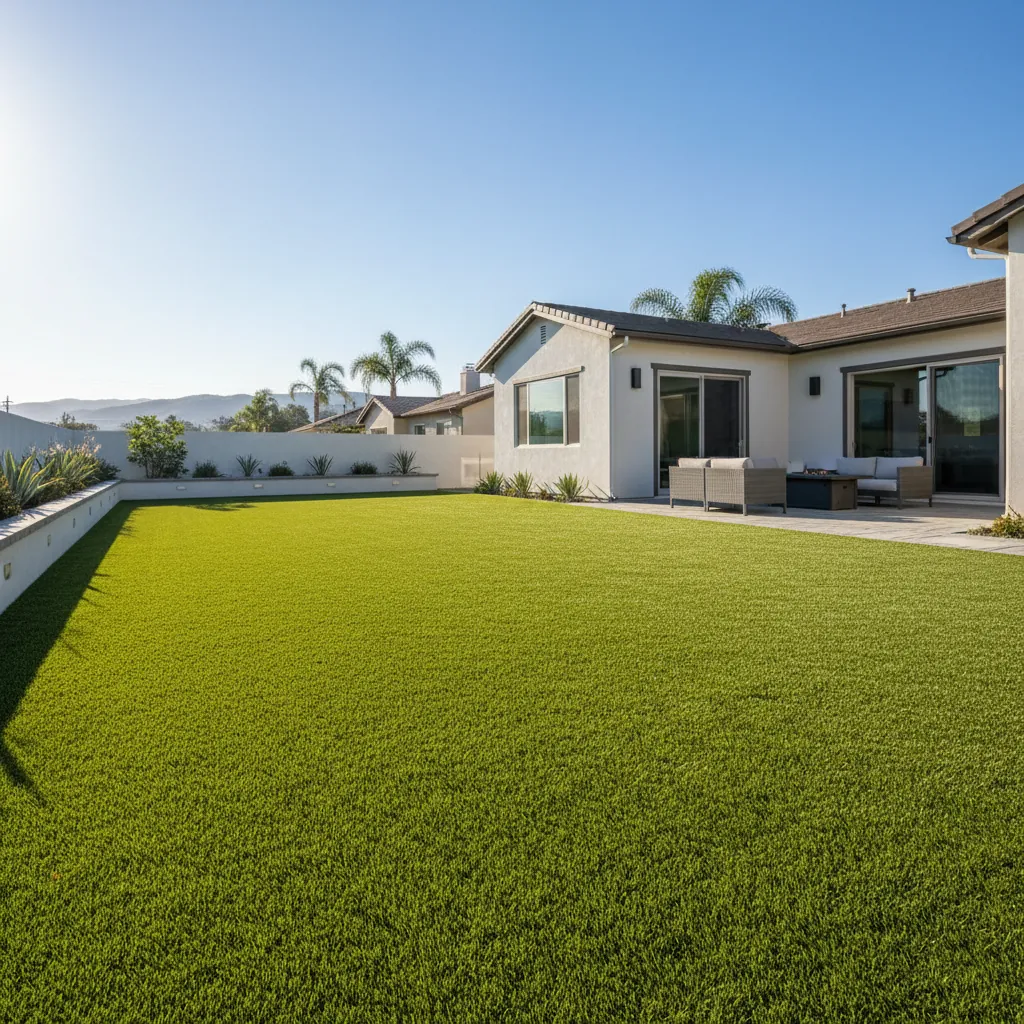
Covers standard excavation, base preparation, mid-weight turf material, and installation for a typical flat lot in San Fernando.
Includes specialized antimicrobial infill and an upgraded, highly permeable backing system to manage pet waste and control odors.
Additional prep labor for properties with severe clay pockets requiring deeper excavation and extra drainage aggregate.
Typical market ranges for the Greater Los Angeles area, not a quote or a guarantee. The price of your job depends on its scope, so ask each pro for a written estimate before you decide.
Maintaining a green lawn in our historic, sun-drenched San Fernando neighborhood is an ongoing challenge under the intense heat of the northeast Valley floor. Many homeowners on the quiet streets radiating from Brand Boulevard are choosing to replace dry lawns with premium artificial turf to conserve water and eliminate mowing.
San Fernando's flat, tight grid of modest residential lots sits on alluvial fan soils containing dense clay pockets that swell when wet and bake rock-hard in our hot, dry Valley summers.
Poor sub-base preparation in these clay pockets can cause artificial turf to wrinkle or sag over time. Professional installers must carefully excavate this heavy soil and engineer a robust, draining base to withstand both the summer heat waves and the occasional heavy winter downpours.
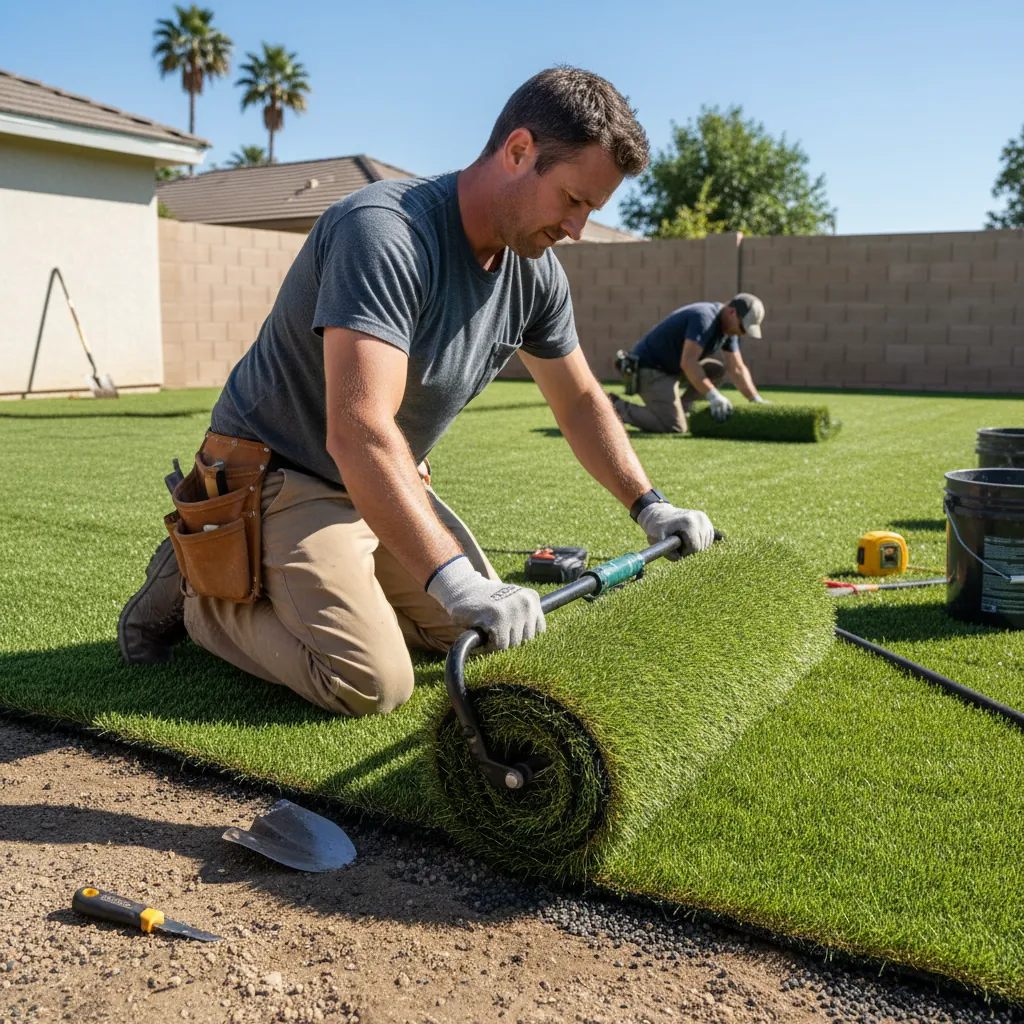
Excavate existing sod and clay-heavy topsoil to a depth of 3 to 4 inches
Install a heavy-duty weed barrier and run any necessary sub-surface drainage lines
Lay, compact, and precisely grade a crushed stone aggregate base
Roll out the artificial turf, allowing it to acclimate to the sun to prevent future wrinkling
Secure the seams with commercial-grade adhesive and non-corrosive landscape nails
Spread and brush in the infill material to keep the turf blades standing upright
ContractorPro.Leads doesn't do the work itself. We pass your San Fernando project to up to four local turf installers who take this kind of job, and you decide whether to hire any of them.
From the vibrant community hub near Las Palmas Park to the classic homes lining the corridors off San Fernando Road and Brand Boulevard, properties here feature compact yards that maximize outdoor living. This tight-knit layout means every square foot of your yard counts, making a pristine, low-maintenance synthetic lawn an ideal upgrade that elevates your home's curb appeal without consuming precious weekend hours.
Tell us what you have in mind. We'll pass it to up to four local pros, and they'll contact you to talk it through.
For most standard residential backyard installations, a formal permit is not required. However, if your project involves significant grading, parkway modifications, or front yard visibility, it is wise to check with the City of San Fernando Community Development Department, Building & Safety division to ensure compliance with local municipal codes.
Because San Fernando operates its own municipal water utility, rebates can vary from those of neighboring Los Angeles (LADWP). Homeowners should check with the City of San Fernando's water conservation programs or the Metropolitan Water District's SoCal Water$mart program for current funding availability before starting excavation.
Like all synthetic materials, turf can get hot under the direct Valley sun. Local pros recommend choosing turf with built-in UV inhibitors and cooling technology, or lightly spraying the turf with water on peak 100-degree days to quickly lower the surface temperature.
Given the compact, flat nature of most San Fernando residential yards, a standard installation of 500 to 1,000 square feet is typically completed in 2 to 3 days, including soil removal and base preparation.
Because San Fernando's alluvial soil contains dense clay pockets, water does not drain as quickly as it would in sandy soil. Installers prevent pooling by grading the sub-base with a slight slope and using high-quality porous aggregate to ensure water flows away from your home's foundation.
