Typical Shadow Hills costs, permit steps and timelines are below. When you are ready, describe your project and up to four local turf installers serving Shadow Hills will contact you. You compare and decide.
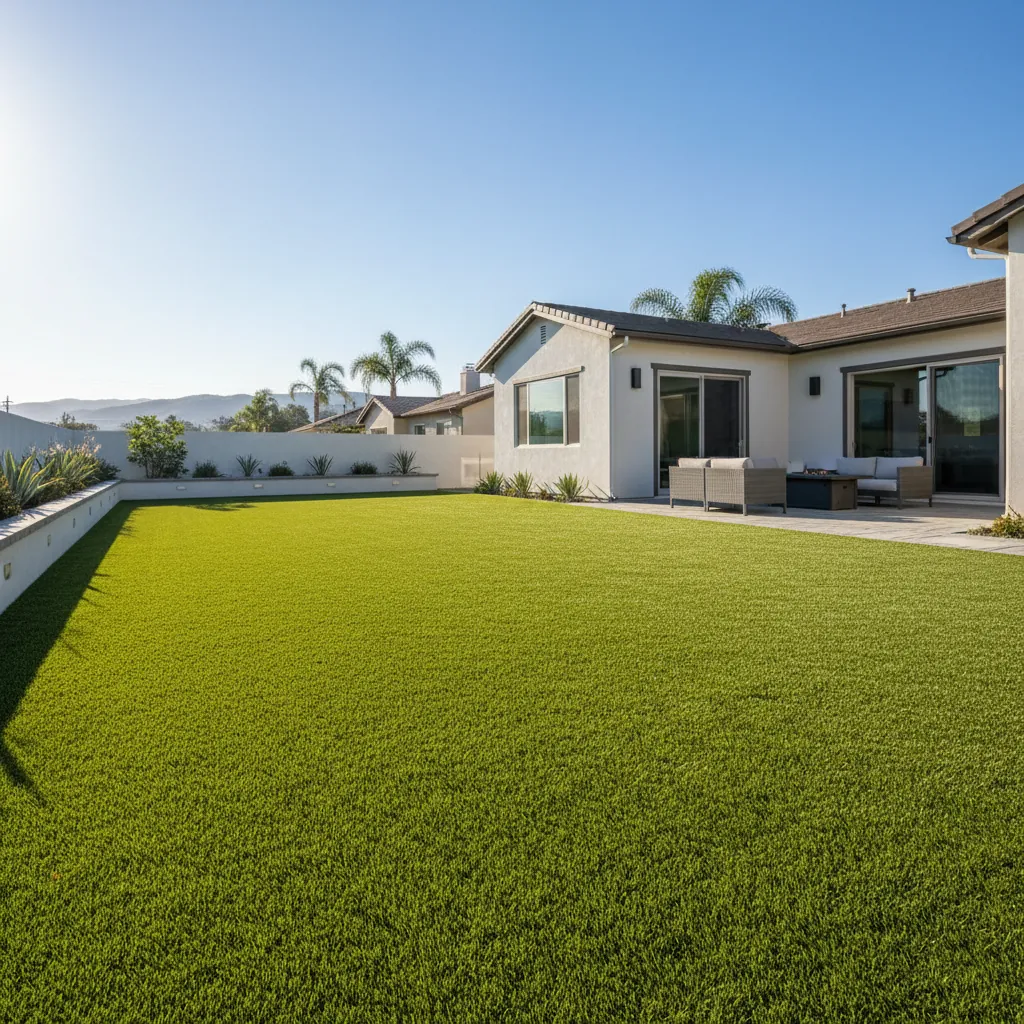
Covers standard preparation and high-quality turf. Slope gradients and rocky soil excavation in the foothills can push labor costs toward the higher end.
Includes specialized high-permeability backing and antimicrobial infill necessary for properties with large animals or multiple dogs.
Required for sloped properties near the Verdugo Mountains to ensure proper drainage and prevent shifting on decomposed granite soils.
Typical market ranges for the Greater Los Angeles area, not a quote or a guarantee. The price of your job depends on its scope, so ask each pro for a written estimate before you decide.
Homeowners in Shadow Hills enjoy a unique, semi-rural lifestyle, but maintaining a lush green lawn in our hot, dry climate can be incredibly demanding on your water bill. Upgrading to artificial turf allows you to keep your property looking pristine year-round while significantly cutting down on maintenance.
Shadow Hills features challenging terrain, from sandy, rocky wash soils near the flats to tough decomposed granite on the steeper canyon slopes.
Because much of the area is designated as a Very High Fire Hazard Severity Zone, landscaping choices must balance aesthetic goals with strict wildfire safety regulations. Additionally, larger equestrian lots often require specialized turf base preparation to withstand both heavy traffic and unique drainage demands.
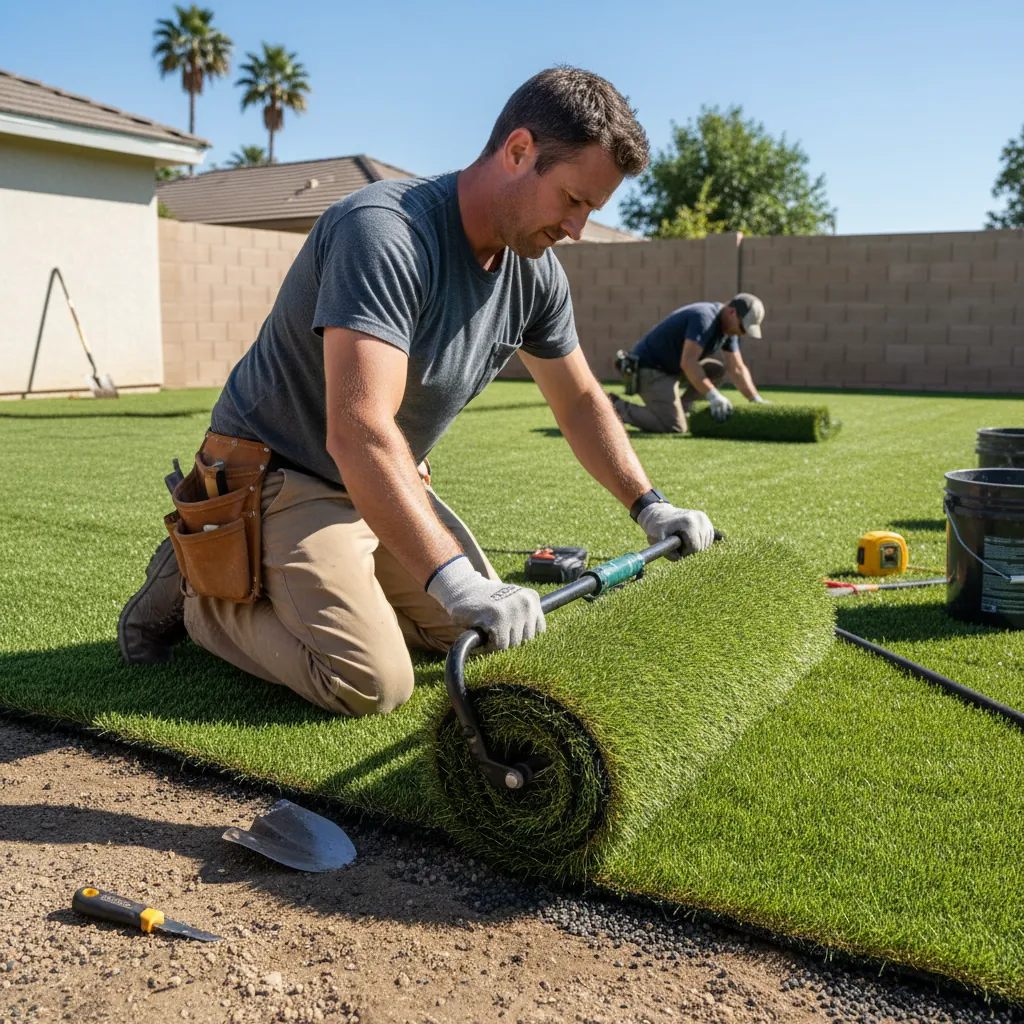
Site assessment to evaluate slope, drainage patterns, and soil composition (sandy wash vs. decomposed granite).
Excavation of existing soil, weeds, and old sprinkler lines to a depth of 3 to 4 inches.
Installation of a highly compacted Class II road base or decomposed granite sub-base for structural stability.
Lay down heavy-duty weed barrier fabric and secure the turf perimeter.
Precise cutting, seaming, and securing of the synthetic turf with non-corrosive turf nails or staples.
Application of specialized infill and power brushing to stand the fibers upright.
ContractorPro.Leads doesn't do the work itself. We pass your Shadow Hills project to up to four local turf installers who take this kind of job, and you decide whether to hire any of them.
Whether your property is nestled along the scenic corridors of La Tuna Canyon Road, situated near Sunland Boulevard, or close to the equestrian trails of the Hansen Dam Recreation Area, local properties face distinct landscaping needs. Navigating these large foothill lots requires an understanding of regional drainage patterns and fire-safe perimeter planning. Professional installers in our network know how to design turf layouts that complement the natural, rustic beauty of Shadow Hills.
Tell us what you have in mind. We'll pass it to up to four local pros, and they'll contact you to talk it through.
Generally, standard residential turf installation does not require a building permit from LADBS. However, if your project involves major retaining walls on sloped foothill lots, grading over certain yardage limits, or modifying protected drainage courses, plan-check approval may be necessary.
LADWP offers turf replacement rebates, but they have strict guidelines. They typically require a mix of organic, low-water plants alongside synthetic turf rather than 100% plastic coverage. Always check current LADWP requirements and apply for pre-approval before removing your lawn.
Shadow Hills experiences intense summer heat. High-quality synthetic turf with UV stabilizers resists fading, but it can get hot to the touch. Installing turf with specialized cooling infills and utilizing shade sails or natural tree cover helps keep the surface comfortable.
Yes, but proper base preparation is critical. On canyon slopes or properties near La Tuna Canyon, installers must create a stable, highly permeable sub-base of compacted gravel or decomposed granite to ensure heavy winter rains drain vertically and do not cause erosion.
Synthetic turf itself is made of polymers that can melt under direct heat or flame, but it is not highly combustible like dry, dead brush. To meet local fire safety guidelines, it should be integrated into a comprehensive defensible space landscape plan.
Given the dusty winds from the Hansen Dam area, you will need to hose down the turf occasionally to remove fine dust. Routine leaf blowing and occasional cross-brushing with a stiff broom will keep the blades upright and clear of debris.
