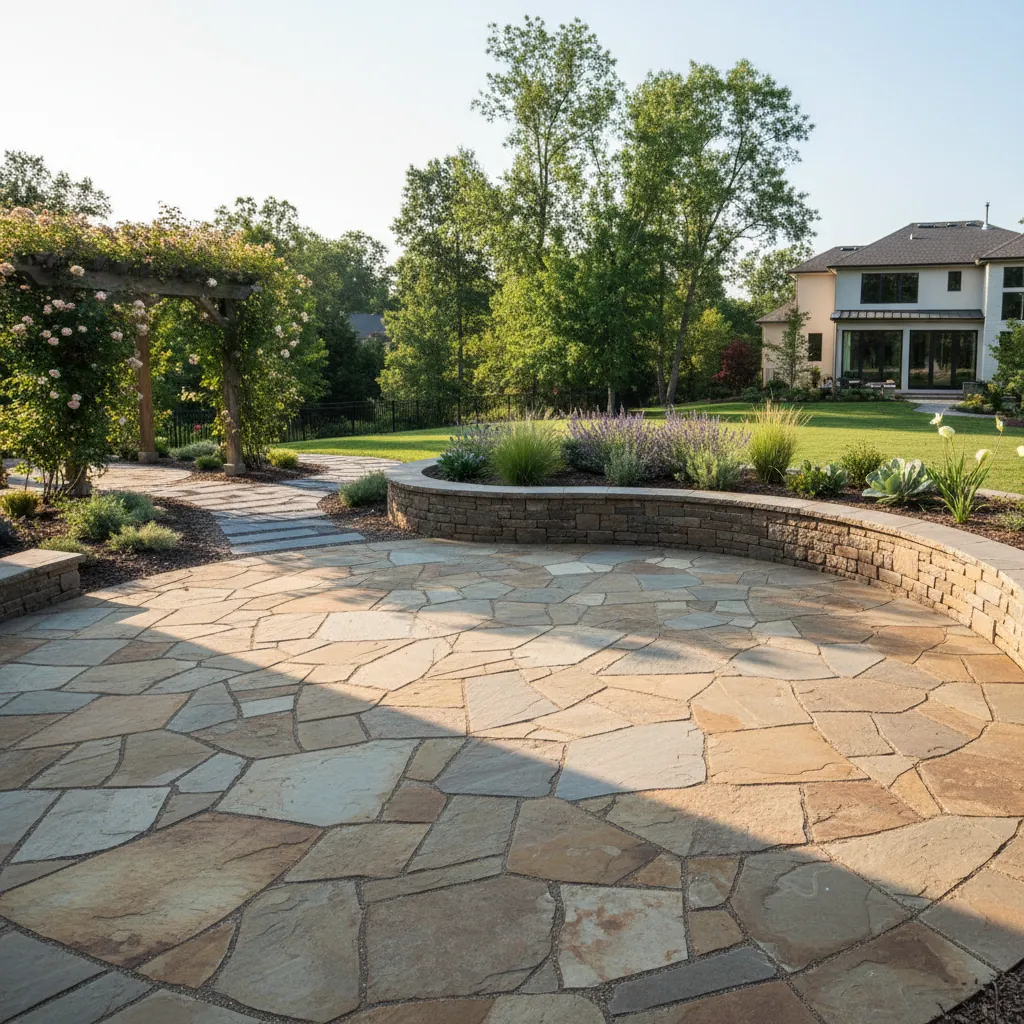
Typical Shadow Hills costs, permit steps and timelines are below. When you are ready, describe your project and up to four local hardscape contractors serving Shadow Hills will contact you. You compare and decide.
Shadow Hills properties offer a unique blend of semi-rural freedom and stunning canyon views, demanding hardscape installations that are both beautiful and resilient. From spacious ranch-style paddocks to terraced hillside patios, local outdoor spaces require specialized design to handle our unique topography and climate.
Hardscape construction in Shadow Hills must address two distinct geological realities: loose, sandy wash soils near Hansen Dam and shifting decomposed granite on the steeper Verdugo Mountain slopes.
Properly compacting these soils is critical to prevent pavers from sinking, while properties in the designated Very High Fire Hazard Severity Zone require non-combustible masonry materials. Furthermore, any retaining wall built to manage slope erosion must comply with strict City of Los Angeles Dept. of Building and Safety (LADBS) structural guidelines.
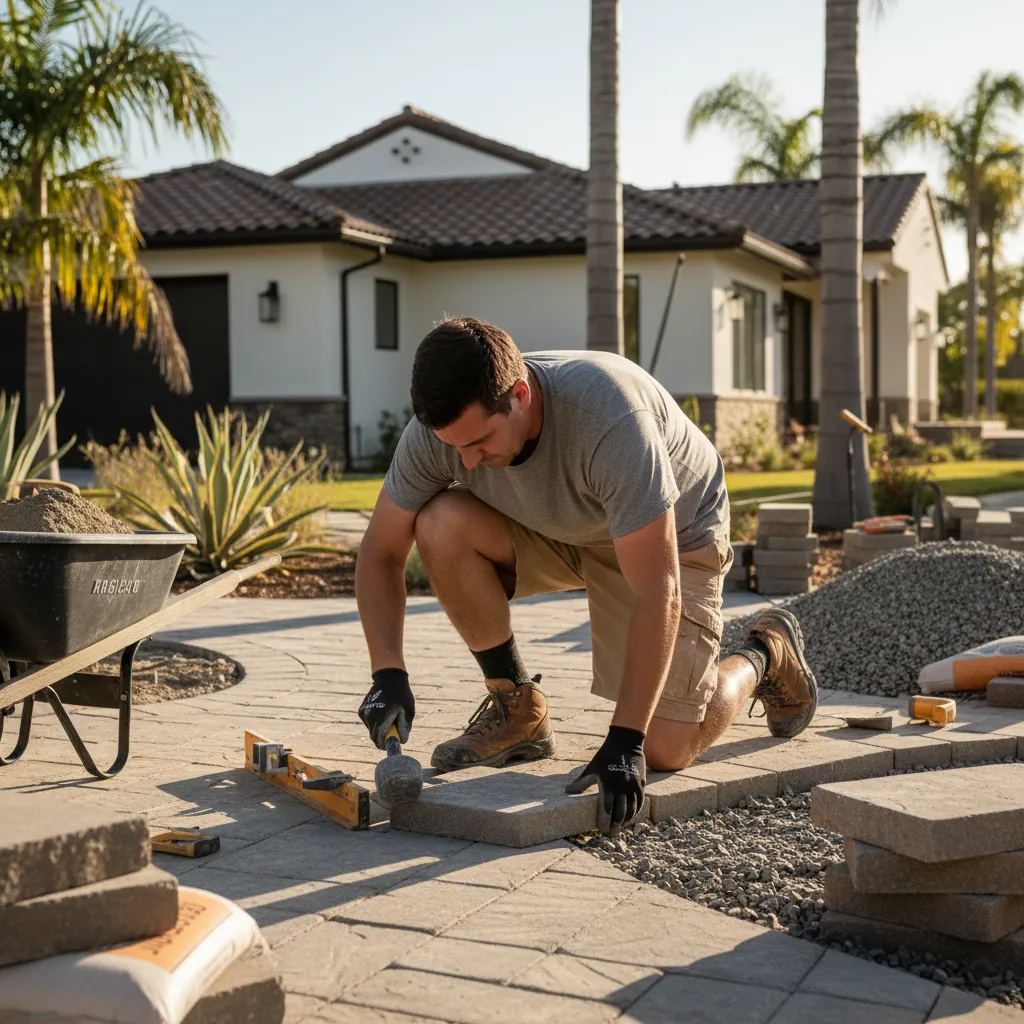
Soil preparation in sandy washes or sloped decomposed granite areas requires deeper excavation and stabilization, which drives the overall labor cost.
Walls over 4 feet require LADBS engineering and structural permits, increasing design and municipal filing fees.
An excellent choice for rustic Shadow Hills horse trails and side yards, though stabilizing binders are recommended for sloped areas to prevent washing out.
Typical market ranges for the Greater Los Angeles area, not a quote or a guarantee. The price of your job depends on its scope, so ask each pro for a written estimate before you decide.
Soil analysis to identify decomposed granite or sandy wash conditions.
Site grading and engineered drainage planning to divert canyon runoff safely.
Sub-base excavation and multi-layer compaction tailored to the soil type.
Securing necessary LADBS permits for retaining walls or hillside grading.
Professional laying of pavers, stone, or pouring of structural concrete.
Final joint-sanding, sealing, and site clean-up ensuring equestrian safety.
ContractorPro.Leads doesn't do the work itself. We pass your Shadow Hills project to up to four local hardscape contractors who take this kind of job, and you decide whether to hire any of them.
Nestled between the Verdugo Mountains and the Hansen Dam Recreation Area, Shadow Hills maintains a distinct, horse-friendly character. Whether your property sits along the busy corridor of Sunland Blvd or winds deep into the tranquil stretches of La Tuna Canyon Rd, hardscaping here must accommodate both vehicular access and large animals. Local independent pros design wider, reinforced pathways and heavy-duty gates that blend seamlessly with the natural, rustic aesthetic of our canyon community.
Tell us what you have in mind. We'll pass it to up to four local pros, and they'll contact you to talk it through.
Yes. In the City of Los Angeles, any retaining wall over 4 feet tall (measured from the bottom of the footing to the top of the wall) or any wall supporting a surcharge, such as a slope or driveway above it, requires structural engineering plans approved by the Los Angeles Dept. of Building and Safety.
Heavy-duty, slip-resistant materials are crucial. Thick interlocking concrete pavers (80mm) laid over an extra-deep compacted base are ideal for heavy trailer parking, while stabilized decomposed granite is highly favored for horse-friendly pathways as it remains stable without becoming slippery or excessively hard on hooves.
Shadow Hills properties in this zone must prioritize non-combustible materials within defensible space zones. Choosing pavers, natural flagstone, and concrete retaining walls over timber decking or wood-rail retaining systems dramatically improves your home's wildfire resilience and complies with local fire-safety standards.
Yes, if you are replacing existing turf with hardscaping, LADWP's Turf Replacement Program offers rebates, provided you use permeable hardscape materials (like permeable pavers, un-bonded stone, or stabilized DG) that allow rainwater to infiltrate the ground rather than running off into storm drains.
Contractors in our network evaluate whether your property sits on the sandy wash flats or the decomposed granite slopes. Sandy areas require geotextile fabric to prevent base materials from migrating into the subsoil, while DG slopes require meticulous mechanical compaction to prevent future settling and erosion.
