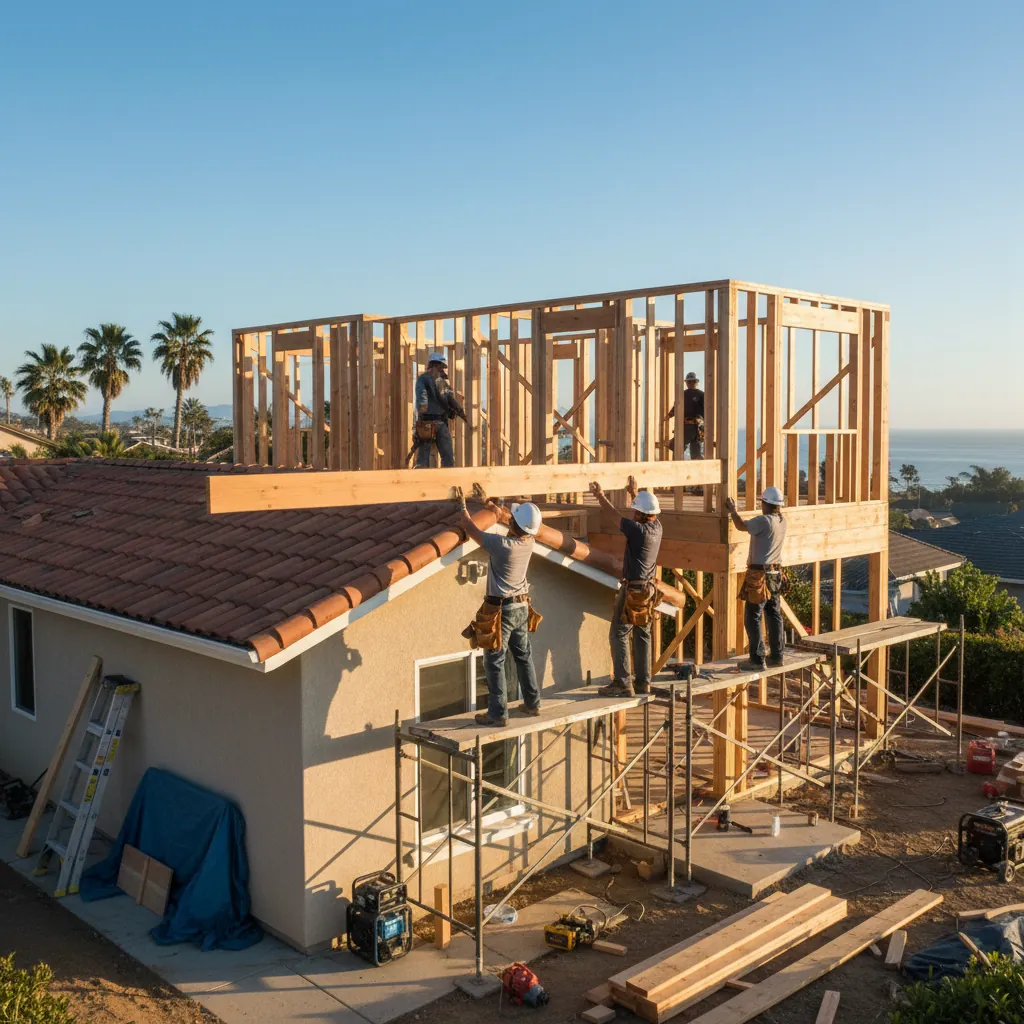
Home projects in Shadow Hills are shaped by local conditions: semi-rural foothill and canyon lots between the Verdugo Mountains and Hansen Dam, many with room for horses, sandy, rocky wash soils on the flats and decomposed granite on the slopes, and hot, dry summers; hillside parts are mapped as Very High Fire Hazard Severity Zone. Most structural, electrical, plumbing, and mechanical work is permitted through Los Angeles Dept. of Building and Safety (LADBS). Serving homes near Hansen Dam Recreation Area, Sunland Blvd and La Tuna Canyon Rd, we connect Shadow Hills homeowners with local pros who work in the area.
Much of the housing stock in Shadow Hills consists of mid-century homes, postwar ranch houses, and custom equestrian properties built on spacious, semi-rural foothill and canyon lots. Because many properties are situated on the slopes between the Verdugo Mountains and Hansen Dam, home foundations often require specialized stabilization due to shifts in the decomposed granite soil. Many older residences built during these eras require updates to outdated electrical wiring and galvanized steel plumbing to meet modern safety standards. Additionally, the harsh sun on these exposed foothill lots accelerates the wear on roofing materials, making regular inspections and roof replacements necessary. On properties with horse facilities, vintage outbuildings often need structural attention. Over time, settling on these sloped terrains can lead to foundation cracking, while older interior plumbing may require sewer lateral repairs. Upgrading these systems helps preserve the structural integrity of these classic suburban ranch homes.
In the semi-rural environment of Shadow Hills, homeowners frequently focus on exterior upgrades that address the hot, dry climate and unique soils. Given the Very High Fire Hazard Severity Zone designation on the hillsides, many residents invest in fire-resistant roofing and fire-safe landscaping. To manage water use on large lots under LADWP watering schedules, homeowners often transition to artificial turf, drought-tolerant backyard remodel designs, and low-flow plumbing systems. On the flat portions of the neighborhood, the sandy, rocky wash soils require careful preparation before pouring concrete or laying pavers for stable driveways. Many properties also require extensive hardscape installations to secure sloped soils of decomposed granite. To combat summer heat, upgrading to energy-efficient HVAC units and adding thick insulation are common interior projects, often paired with exterior painting using heat-reflective coatings to protect these large, sun-exposed homes.
Because Shadow Hills is located within the City of Los Angeles, all building permits are issued through the Los Angeles Department of Building and Safety (LADBS). Homeowners planning major structural alterations, such as a room addition, ADUs, or significant electrical and plumbing overhauls, must obtain the proper permits before starting construction. Due to the local hillside conditions and wildfire risks, grading permits and fire-clearance reviews are often required for new hardscape or accessory structures. A licensed contractor typically pulls these permits on your behalf, ensuring that all work complies with the current Los Angeles building codes and safety regulations.
Shadow Hills shares its semi-rural, equestrian character with neighboring Lake View Terrace and Sunland, which both feature similar foothill lots and access to the Hansen Dam Recreation Area. Residents frequently travel along the Sunland Blvd and La Tuna Canyon Rd corridors to access busier commercial centers in Burbank and Sun Valley, transitioning from the quiet canyon hillsides to the more densely populated urban flats of the San Fernando Valley.
Type your ZIP code to jump to your neighborhood in the San Fernando Valley and nearby. Pick a service first to go straight to that page. If we do not cover that ZIP yet, you go to the request form with it filled in.
