Typical Shadow Hills costs, permit steps and timelines are below. When you are ready, describe your project and up to four local paver installers serving Shadow Hills will contact you. You compare and decide.
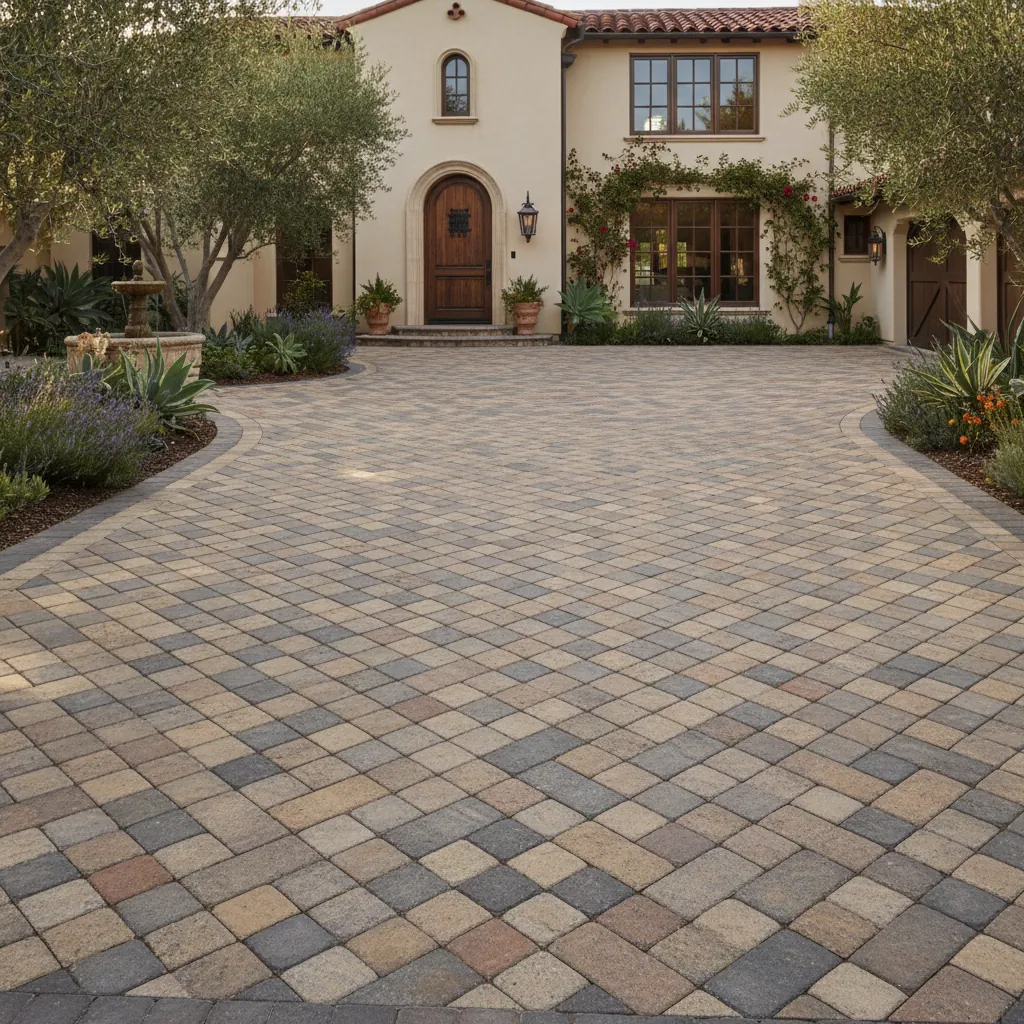
Covers standard excavation, base prep, and installation of basic interlocking concrete pavers on flat terrain.
Reflects the cost of thicker 80mm pavers and an extra-deep, highly compacted aggregate base to support heavy trailers and equipment.
Includes specialized open-graded aggregate layers to manage heavy storm runoff on sloped canyon properties.
Typical market ranges for the Greater Los Angeles area, not a quote or a guarantee. The price of your job depends on its scope, so ask each pro for a written estimate before you decide.
Property owners in Shadow Hills enjoy a unique semi-rural lifestyle, balancing equestrian-friendly acreage with rugged foothill terrain. Whether you are upgrading a ranch driveway near Sunland Boulevard or planning a fire-resistant patio overlooking the Verdugo Mountains, interlocking pavers provide the perfect blend of rustic elegance and heavy-duty durability.
Engineering enduring paved surfaces in Shadow Hills requires addressing the extreme transition between sandy, rocky wash soils near Hansen Dam and shifting decomposed granite on the steeper hillsides.
Because much of the neighborhood lies within a designated Very High Fire Hazard Severity Zone, choosing non-combustible paving materials like concrete or stone is a critical fire-safety measure. Additionally, heavy equestrian use on local ranches demands deep, reinforced sub-base preparation to prevent pavers from shifting under the weight of horses, trailers, or utility vehicles.
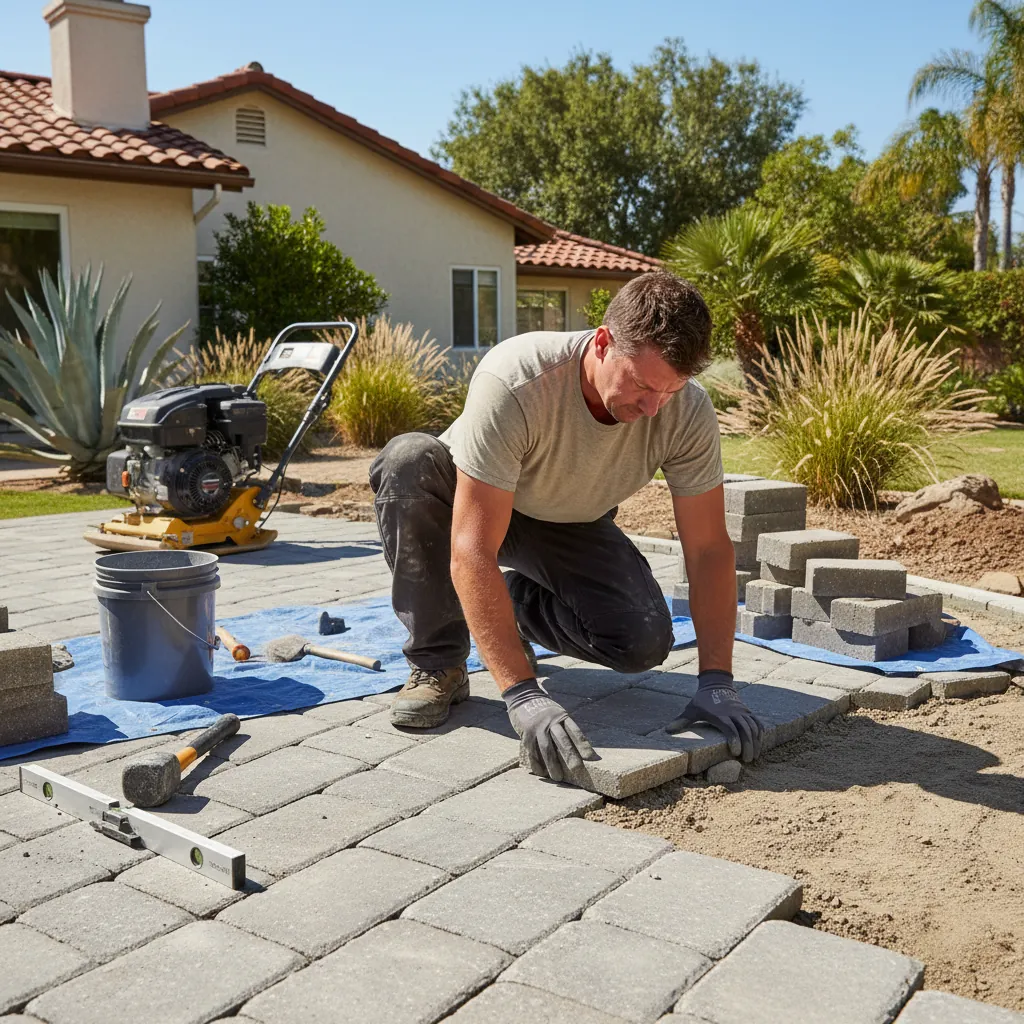
Site assessment to analyze slope stability and identify wash vs. decomposed granite soil profiles
Excavation to the proper depth, accounting for equestrian load-bearing needs
Installation of heavy-duty geotextile fabric to stabilize sandy underlying soils
Compaction of a dense aggregate base and precise screeding of bedding sand
Meticulous laying of pavers in the selected pattern with secure edge restraints
Joint sanding, final compaction, and application of a breathable, protective sealer
ContractorPro.Leads doesn't do the work itself. We pass your Shadow Hills project to up to four local paver installers who take this kind of job, and you decide whether to hire any of them.
From properties tucked away along the winding stretches of La Tuna Canyon Road to horse ranches just off Sunland Boulevard, Shadow Hills homes require hardscaping that respects the natural topography. Paver installations here often serve multiple purposes—acting as stable, mud-free paddock walkways, elegant pool decks, or durable driveways designed to handle both daily traffic and heavy agricultural loads. Proximity to the Hansen Dam Recreation Area inspires natural, earth-toned hardscapes that blend seamlessly with the native sage and oak-studded landscape.
Tell us what you have in mind. We'll pass it to up to four local pros, and they'll contact you to talk it through.
Flat, grade-level paver installations under 500 square feet typically do not require a permit from the Los Angeles Department of Building and Safety (LADBS). However, if your project involves grading on steep hillsides, building retaining walls, or altering natural drainage paths in canyon zones, a permit and soil report may be required.
Sandy, loose wash soils can shift easily if not properly stabilized. Local contractors address this by installing a heavy-duty geotextile fabric beneath a thicker-than-normal compacted aggregate base, preventing the sand from mixing with the base rock and ensuring the pavers stay perfectly level over time.
Yes, the Los Angeles Department of Water and Power (LADWP) occasionally offers turf replacement rebates when you swap water-thirsty grass for permeable hardscaping. Installing permeable pavers allows rainwater to soak directly into the ground, satisfying rebate requirements while conserving water.
Concrete and stone pavers are entirely non-combustible, making them an excellent choice for the 5-foot 'immediate zone' of defensible space around your home. Replacing woody vegetation or wood decking with pavers helps protect your home from wind-blown embers during wildfire season.
Absolutely, but they must be engineered for it. Thick 80mm pavers laid in a herringbone pattern offer the best interlock to resist the twisting forces of horse hooves, and a deep, highly compacted base prevents sinking and shifting in high-traffic equestrian zones.
