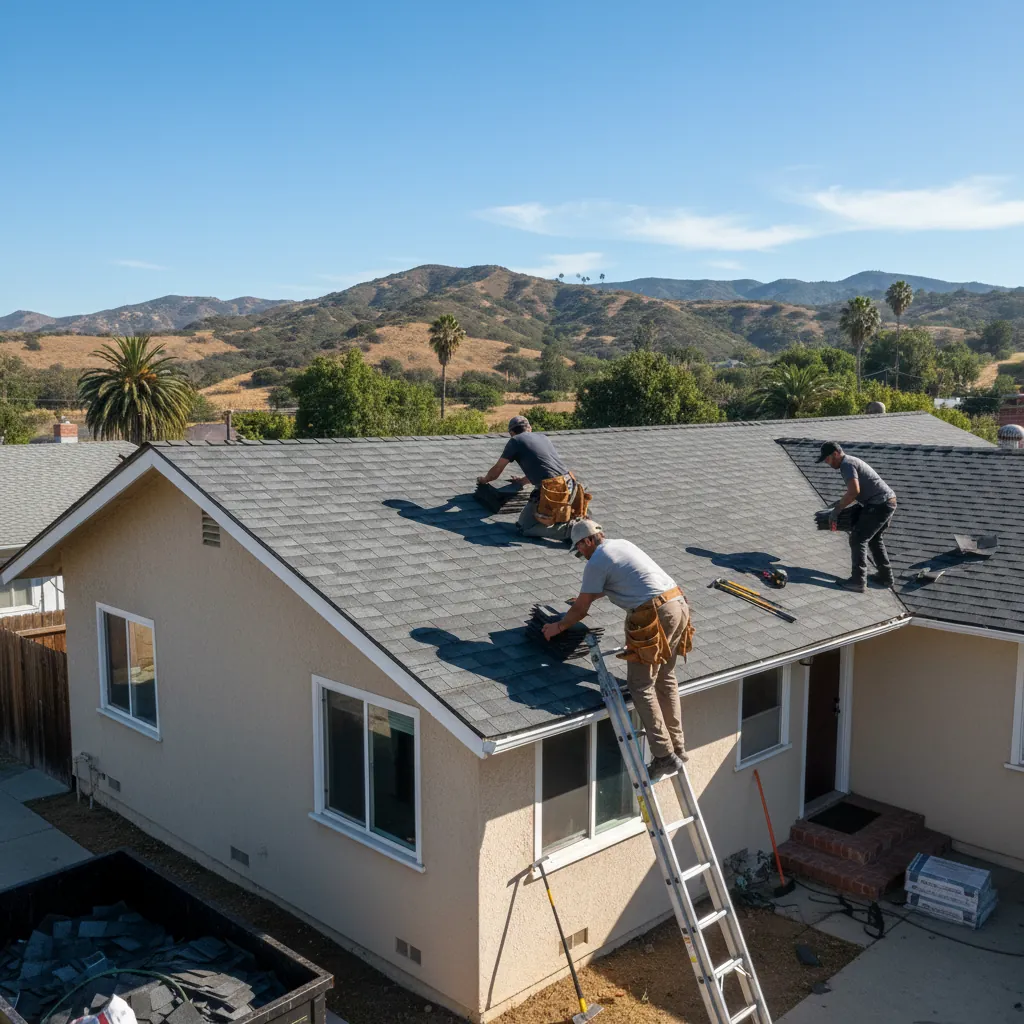
Typical Shadow Hills costs, permit steps and timelines are below. When you are ready, describe your project and up to four local roofers serving Shadow Hills will contact you. You compare and decide.
Nestled between the Verdugo Mountains and the Hansen Dam Recreation Area, Shadow Hills properties require roofing systems that can withstand a unique semi-rural environment. Whether your home is a ranch-style horse property off Sunland Boulevard or a modern foothill retreat along La Tuna Canyon Road, protecting your structure is essential for both climate resilience and property value. We connect you with local roofing professionals who understand the specific demands of this equestrian enclave.
Roofs in Shadow Hills face intense thermal expansion from hot canyon summers and must meet strict wildfire safety standards.
Because much of the hillside area is mapped as a Very High Fire Hazard Severity Zone by the City of Los Angeles, choosing Class A fire-rated materials is a regulatory and safety necessity to defend against wind-blown embers. Furthermore, seasonal foothill winds sweeping through the canyons demand precise, high-wind fastening techniques to prevent shingle uplift on exposed slopes.
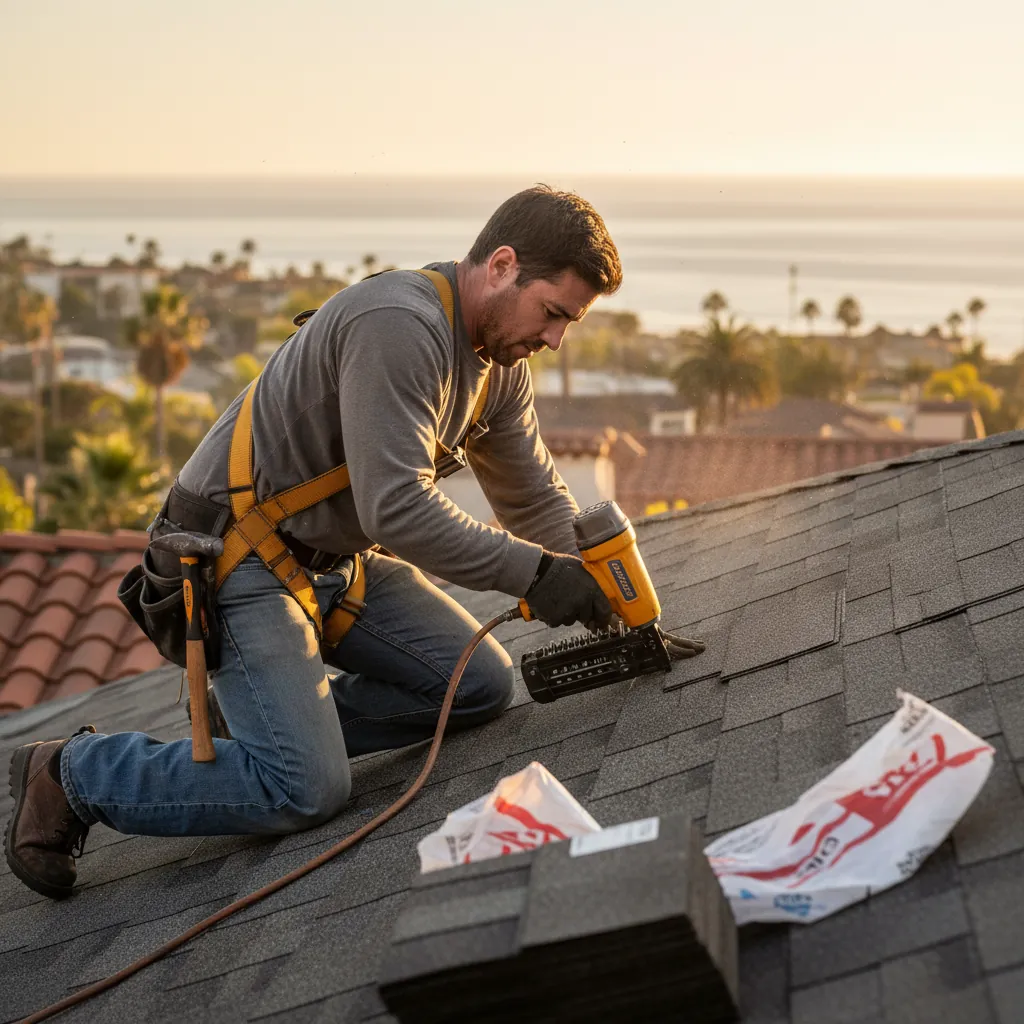
Based on a typical 2,000 sq ft single-story home; prices vary by roof pitch, accessibility, and LADBS cool-roof compliance.
Common on Spanish-style ranch homes; requires a structural engineering check to ensure the framing can support the heavy load.
Highly durable and fire-resistant option popular on modern canyon homes; higher upfront cost but offers maximum protection.
Addressing wind damage, broken tiles, or flashing leaks around chimneys and equestrian outbuilding connections.
Typical market ranges for the Greater Los Angeles area, not a quote or a guarantee. The price of your job depends on its scope, so ask each pro for a written estimate before you decide. Bars share one scale, so you can compare project sizes.
Conduct a thorough inspection of the existing roof deck, looking for dry rot, wind damage, or structural sagging.
Pull all necessary permits with the Los Angeles Department of Building and Safety (LADBS).
Install high-temperature self-adhering underlayment for superior leak and heat protection.
Apply Class A fire-rated shingles, tiles, or metal panels using high-wind nailing patterns.
Install ember-resistant venting and seal all valleys, penetrations, and chimney flashings.
Pass final LADBS municipal inspection to ensure code compliance and safety.
ContractorPro.Leads doesn't do the work itself. We pass your Shadow Hills project to up to four local roofers who take this kind of job, and you decide whether to hire any of them.
From the flatter equestrian lots with spacious paddocks near Sunland Blvd to the steep, decomposed granite slopes of La Tuna Canyon Rd, Shadow Hills feels worlds away from central LA, yet it remains under strict City of Los Angeles building codes. The proximity to the open brush of the Verdugo Mountains and Hansen Dam means homes are constantly exposed to dust, heat, and high fire risks, making durable, low-maintenance roofing systems highly prized by local residents.
Tell us what you have in mind. We'll pass it to up to four local pros, and they'll contact you to talk it through.
Yes, the Los Angeles Department of Building and Safety (LADBS) requires a permit for all reroofing projects in Shadow Hills. Local contractors must pull these permits, and the completed job must pass a final physical inspection to ensure it complies with City of LA fire and energy codes.
Yes, the City of Los Angeles Green Building Code requires cool roofs (highly reflective materials) for residential reroofing projects. These materials reflect sunlight and emit thermal radiation, keeping your home cooler and reducing reliance on air conditioning during hot Shadow Hills summers.
In the Shadow Hills foothill and canyon areas, LADBS mandates Class A fire-rated roofing materials. This means wood shakes are prohibited, while high-performance asphalt shingles, clay/concrete tiles, and metal roofs are highly recommended for their ability to resist fire ignition.
Standard residential reroofing permits can often be obtained 'over-the-counter' or online instantly by a licensed CSLB contractor. However, if structural modifications or heavy clay tiles are being added to a roof not originally rated for them, plan-check reviews may take a few weeks.
Yes, LADWP occasionally offers rebates for certified Cool Roof installations that meet specific Solar Reflectance Index (SRI) standards. Your connected roofing contractor can help you select qualifying materials and provide the documentation needed for the rebate application.
