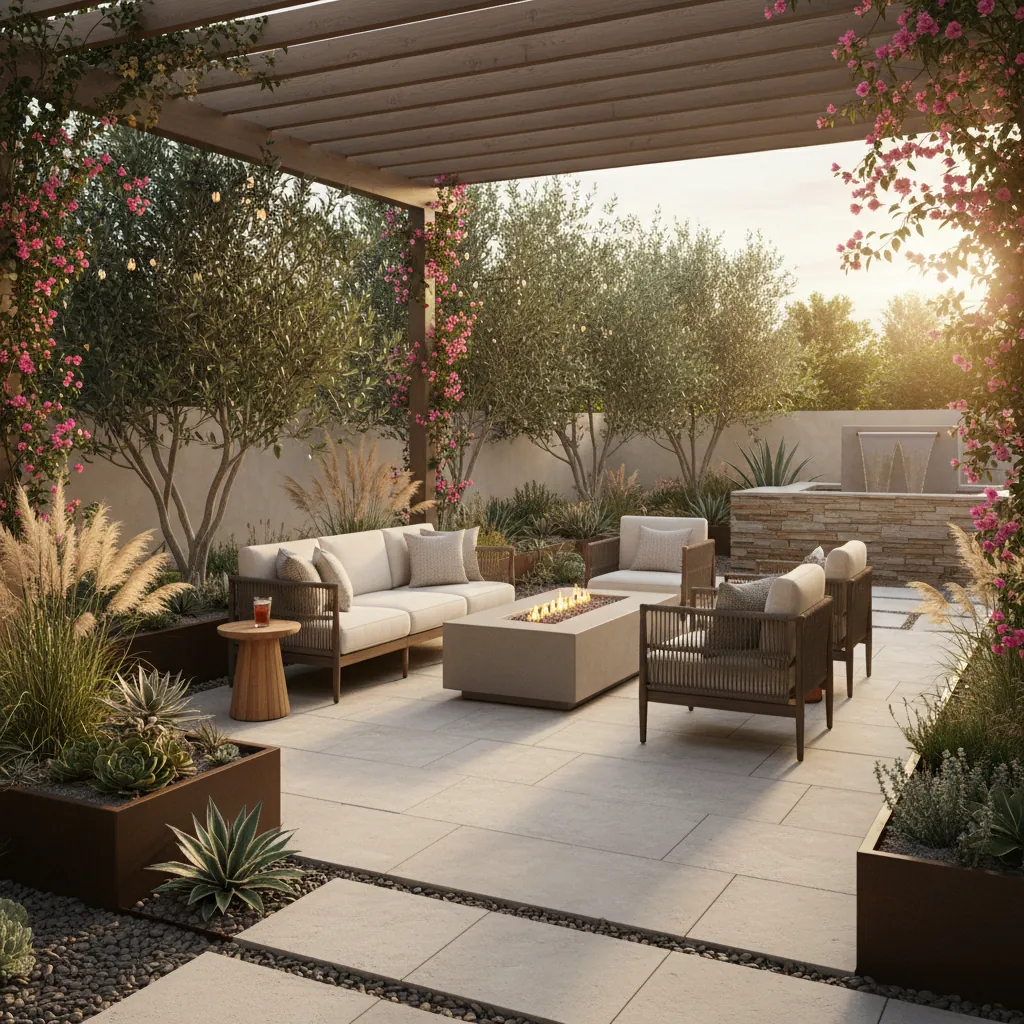
Typical Shadow Hills costs, permit steps and timelines are below. When you are ready, describe your project and up to four local backyard remodelers serving Shadow Hills will contact you. You compare and decide.
Required on many hillside properties in Shadow Hills to manage erosion on decomposed granite slopes before planting.
Covers high-efficiency valves, pressure regulators, and long piping runs necessary to irrigate large foothill acreage efficiently.
Includes establishing defensible zones, installing non-combustible patios, and planting fire-resistant native species.
Utilizes heavy-duty, horse-safe materials tailored to the flat paddock areas of Shadow Hills properties.
Typical market ranges for the Greater Los Angeles area, not a quote or a guarantee. The price of your job depends on its scope, so ask each pro for a written estimate before you decide. Bars share one scale, so you can compare project sizes.
Nestled in the foothills of the Verdugo Mountains, Shadow Hills properties offer a rare semi-rural canvas with room for horses, native oaks, and expansive outdoor living spaces. Transforming these large, unique lots requires a deep understanding of local equestrian setbacks, foothill microclimates, and fire-safety codes.
Shadow Hills yards present distinct engineering and agricultural challenges, from the sandy, rocky wash soils near the flats to the steep, decomposed granite slopes that are highly prone to erosion.
Because much of the hillside terrain in the 91040 ZIP code is mapped as a Very High Fire Hazard Severity Zone, backyard remodels must balance natural beauty with strict brush clearance zones and fire-resistant hardscaping. Additionally, planning long irrigation runs on multi-acre horse properties requires specialized hydraulic design to maintain water pressure while staying compliant with LADWP watering limits.
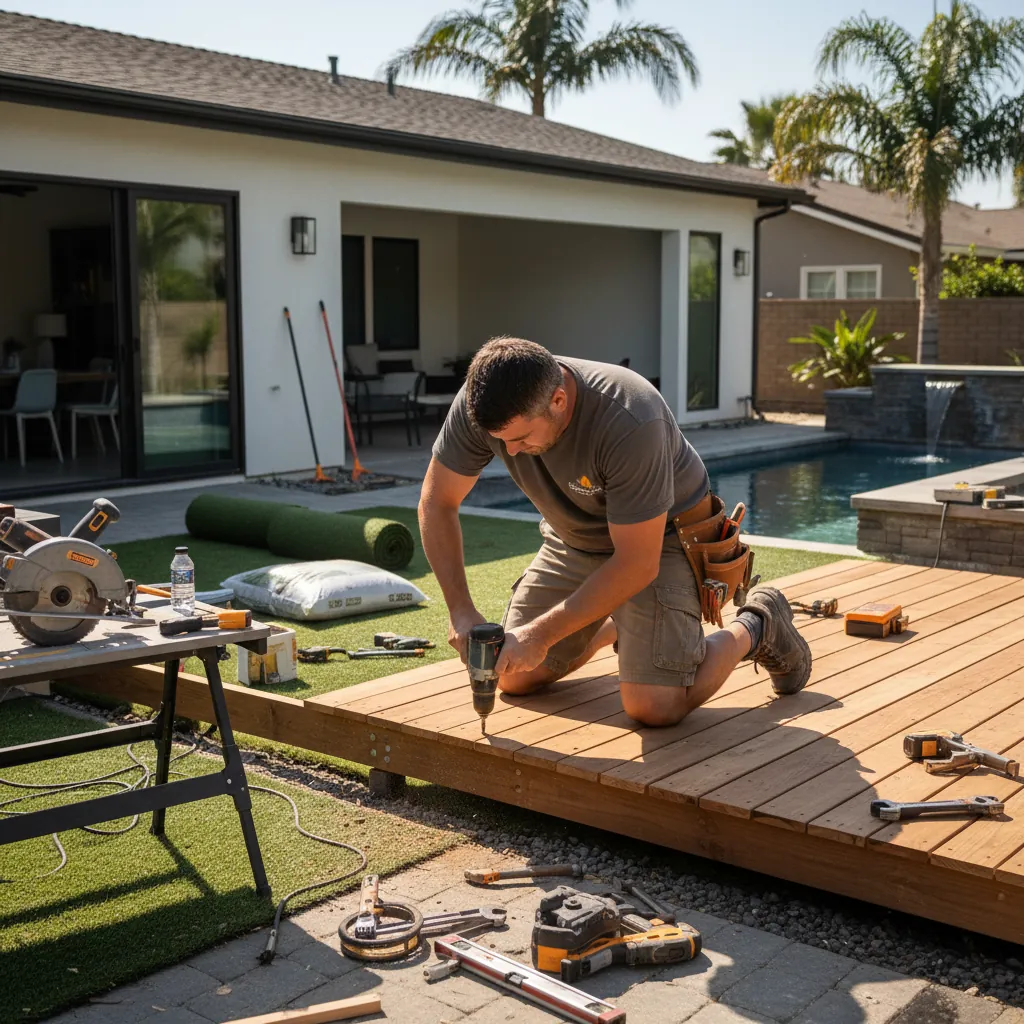
Comprehensive site evaluation of soil type, grading, and drainage patterns
Verification of horse-keeping overlays and zoning setbacks with LADBS
Design of fire-safe zones and selection of drought-tolerant native vegetation
Permit filing and plan checks with the Los Angeles Dept. of Building and Safety
Excavation, grading, and structural retaining wall installation for sloped lots
Installation of high-efficiency drip irrigation, hardscaping, and final plantings
ContractorPro.Leads doesn't do the work itself. We pass your Shadow Hills project to up to four local backyard remodelers who take this kind of job, and you decide whether to hire any of them.
Whether your property sits on the equestrian-friendly flats near Sunland Blvd or climbs up the rugged terrain along La Tuna Canyon Rd, local landscape designers know how to work with the unique character of Shadow Hills. They create outdoor spaces that blend seamlessly with the rustic, natural beauty of the nearby Hansen Dam Recreation Area, utilizing drought-tolerant stone pathways, native oak canopy preservation, and horse-safe fencing that honors the neighborhood's deep equestrian heritage.
Tell us what you have in mind. We'll pass it to up to four local pros, and they'll contact you to talk it through.
Yes, the Los Angeles Department of Building and Safety (LADBS) requires a permit for any retaining wall over 4 feet in height, or any wall supporting a surcharge (such as a slope, terrace, or driveway). Given the decomposed granite slopes in the area, proper engineering is essential to ensure long-term safety.
For straightforward projects like standard hardscaping or minor retaining walls, LADBS can often issue permits within 2 to 4 weeks. However, complex grading, pool installations, or projects within the Very High Fire Hazard Severity Zone may require detailed plan checks taking 2 to 4 months.
Yes. Shadow Hills residents are served by the LADWP, which offers substantial per-square-foot rebates for replacing water-thirsty lawns with California-friendly, drought-tolerant landscaping, mulch, and smart rainwater capture systems.
Late summer or early fall is the ideal window. This allows all heavy grading, terracing, and hardscaping to be completed during the dry months, ensuring your soil is stabilized before the winter rains and giving native plants the winter to establish their roots.
Non-combustible materials like concrete pavers, decomposed granite pathways, and local river rock are highly recommended for patios and walkways. Plants should have high moisture content and low sap or resin levels, such as native salvias, agave, and deep-rooted oaks.
