Typical Lake View Terrace costs, permit steps and timelines are below. When you are ready, describe your project and up to four local backyard remodelers serving Lake View Terrace will contact you. You compare and decide.
Necessary for sloped properties to prevent erosion and create flat terraces; costs depend on engineering and LADBS permitting needs.
Using concrete, stone, or pavers creates a fire-resistant buffer zone around the home; price varies by material choice and rocky soil excavation.
Focuses on drought-tolerant, fire-retardant native plants and low-flow drip systems, often offset by LADWP turf replacement rebates.
A comprehensive overhaul including patios, retaining walls, fire-safe structures, and drought-tolerant landscaping designed for foothill climates.
Typical market ranges for the Greater Los Angeles area, not a quote or a guarantee. The price of your job depends on its scope, so ask each pro for a written estimate before you decide. Bars share one scale, so you can compare project sizes.
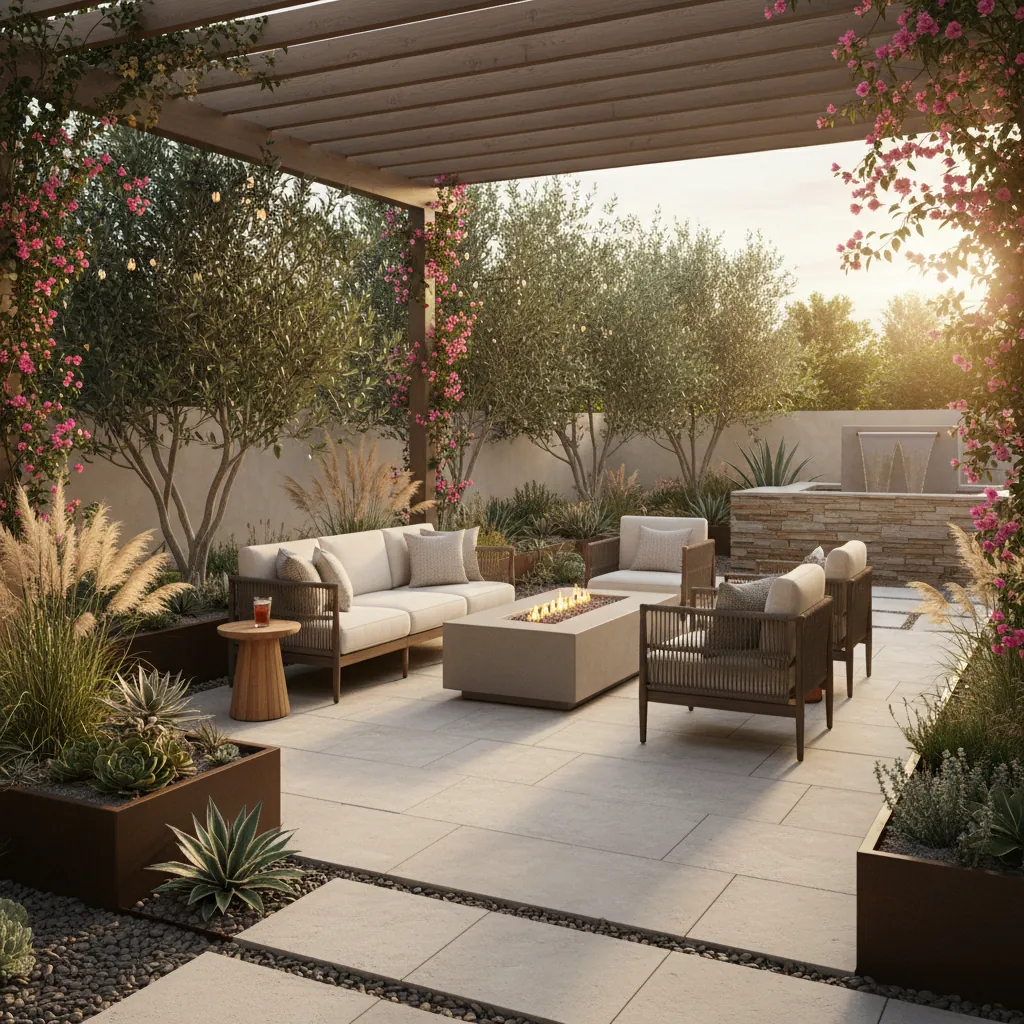
Nestled at the base of the San Gabriel Mountains, properties in Lake View Terrace offer expansive outdoor potential paired with unique foothill challenges. Designing a functional, beautiful backyard here requires balancing stunning views with fire-smart landscaping, water conservation, and erosion control.
Designing a backyard in Lake View Terrace means working with the rocky, alluvial-fan soils of the foothill terrain, which require heavy-duty excavation for any stable grading or footings.
Because much of the 91342 area sits within a Very High Fire Hazard Severity Zone, any remodel must prioritize defensible space, ember-resistant materials, and wind-resilient structures that can withstand intense seasonal Santa Ana winds.
Comprehensive site evaluation of slope stability, soil composition, and fire zone requirements.
Custom landscape design plotting defensible space, hardscaping, and native flora.
Permit filing and plan submission through the Los Angeles Department of Building and Safety (LADBS).
Grading, boulder clearing, and excavation of the rocky alluvial-fan soil.
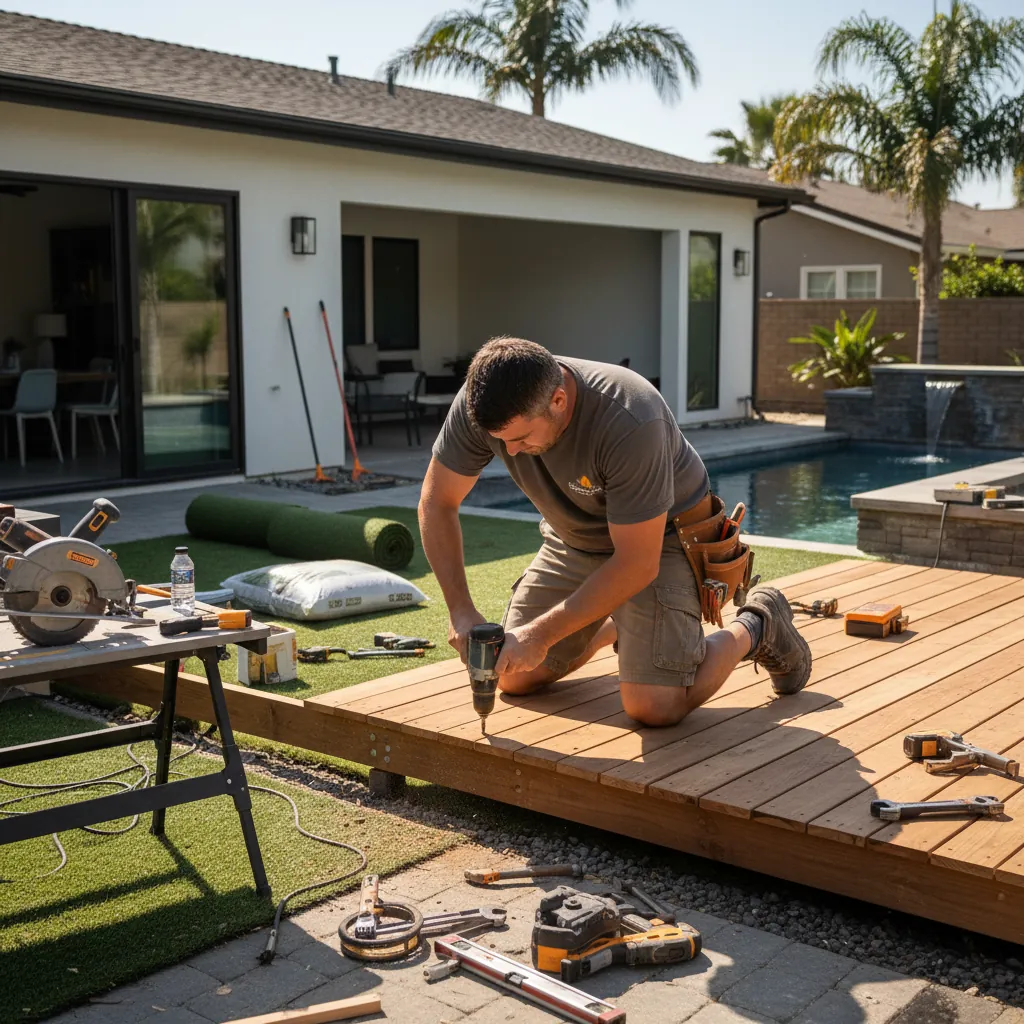
Installation of retaining walls, drainage systems, and wind-resistant outdoor structures.
Planting of fire-resistant, drought-tolerant flora and programming of high-efficiency drip irrigation.
ContractorPro.Leads doesn't do the work itself. We pass your Lake View Terrace project to up to four local backyard remodelers who take this kind of job, and you decide whether to hire any of them.
Whether your home is situated on an equestrian lot near Osborne St, or overlooks the basin from a sloped property near Foothill Blvd and the Hansen Dam Recreation Area, your backyard is an opportunity to embrace the rustic, open-air charm of the foothills. Local specialists understand how to frame views of the San Gabriel Mountains while complying with City of Los Angeles zoning and environmental requirements.
Tell us what you have in mind. We'll pass it to up to four local pros, and they'll contact you to talk it through.
Yes. LADBS requires permits for major backyard structural additions, including retaining walls over 4 feet tall, patio covers, decks over 30 inches off the ground, and any new electrical or plumbing runs for outdoor kitchens.
Standard plan checks for backyard structures usually take between 4 to 8 weeks, though simpler, standard-plan structures like certain patio covers may qualify for faster, same-day counter services.
Since Lake View Terrace contains Very High Fire Hazard Severity Zones, the Los Angeles Fire Department requires a 100-foot defensible space. Your landscape design must avoid highly flammable plants like eucalyptus or pine close to structures, and focus on low-growth, high-moisture species.
Yes. Through the LADWP Turf Replacement Program, homeowners can receive rebates per square foot for replacing turf grass with sustainable, drought-tolerant landscaping, mulch, and rain-retention features.
Experienced local contractors use heavy-duty excavation equipment, such as jackhammers and specialized augers, to penetrate the rocky alluvial-fan soil common at the base of the San Gabriels, ensuring stable footings for structures.
