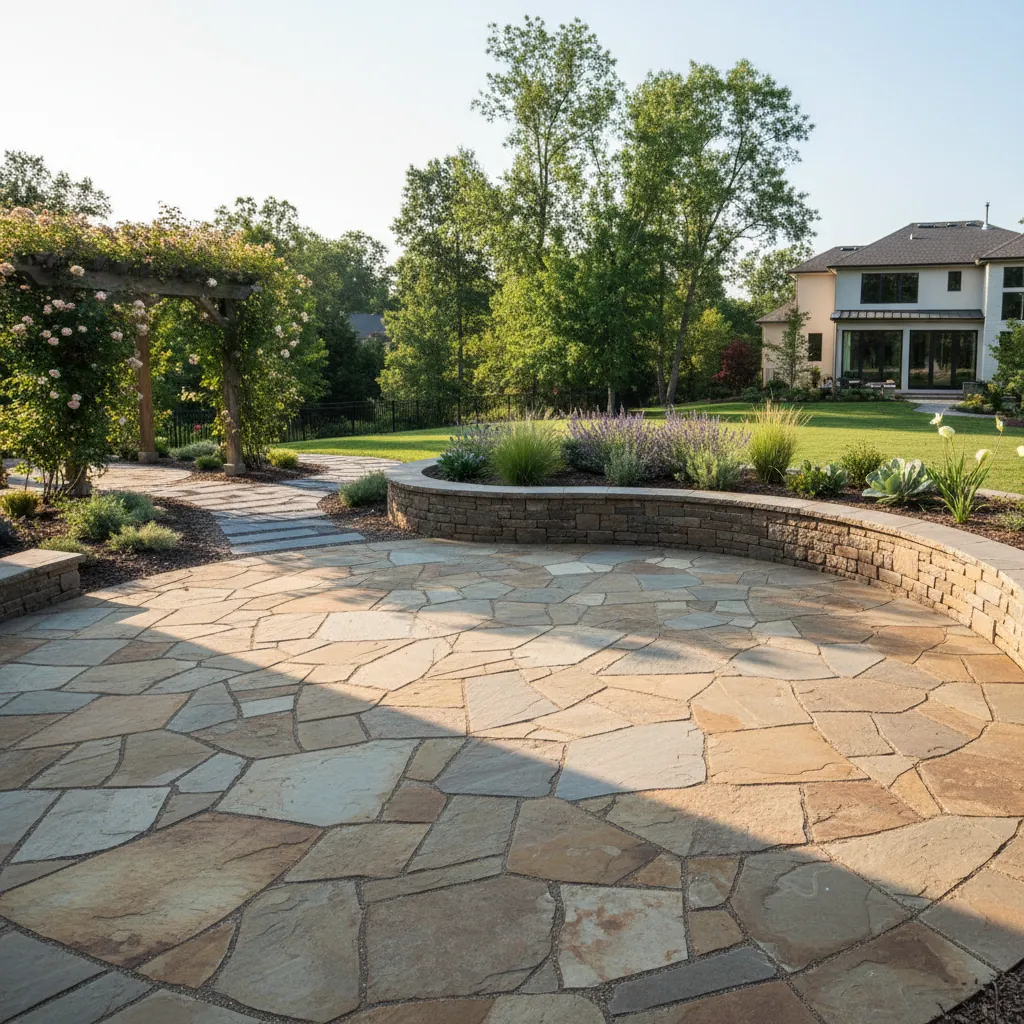
Typical Lake View Terrace costs, permit steps and timelines are below. When you are ready, describe your project and up to four local hardscape contractors serving Lake View Terrace will contact you. You compare and decide.
Homeowners in Lake View Terrace enjoy a spacious, semi-rural lifestyle nestled directly at the base of the San Gabriel Mountains. Transforming these unique properties requires durable outdoor structures that balance natural aesthetic beauty with fire-safe, erosion-resistant engineering.
Building lasting hardscapes in Lake View Terrace requires addressing rocky alluvial-fan soils that shift during heavy rains, alongside steep slopes near the foothills.
Because much of the 91342 ZIP code lies within a Very High Fire Hazard Severity Zone, fire-resistant masonry materials are a necessity for protecting your property. Additionally, properly engineered retaining walls and patios must strictly comply with Los Angeles Dept. of Building and Safety (LADBS) standards to safely manage runoff and prevent soil erosion.
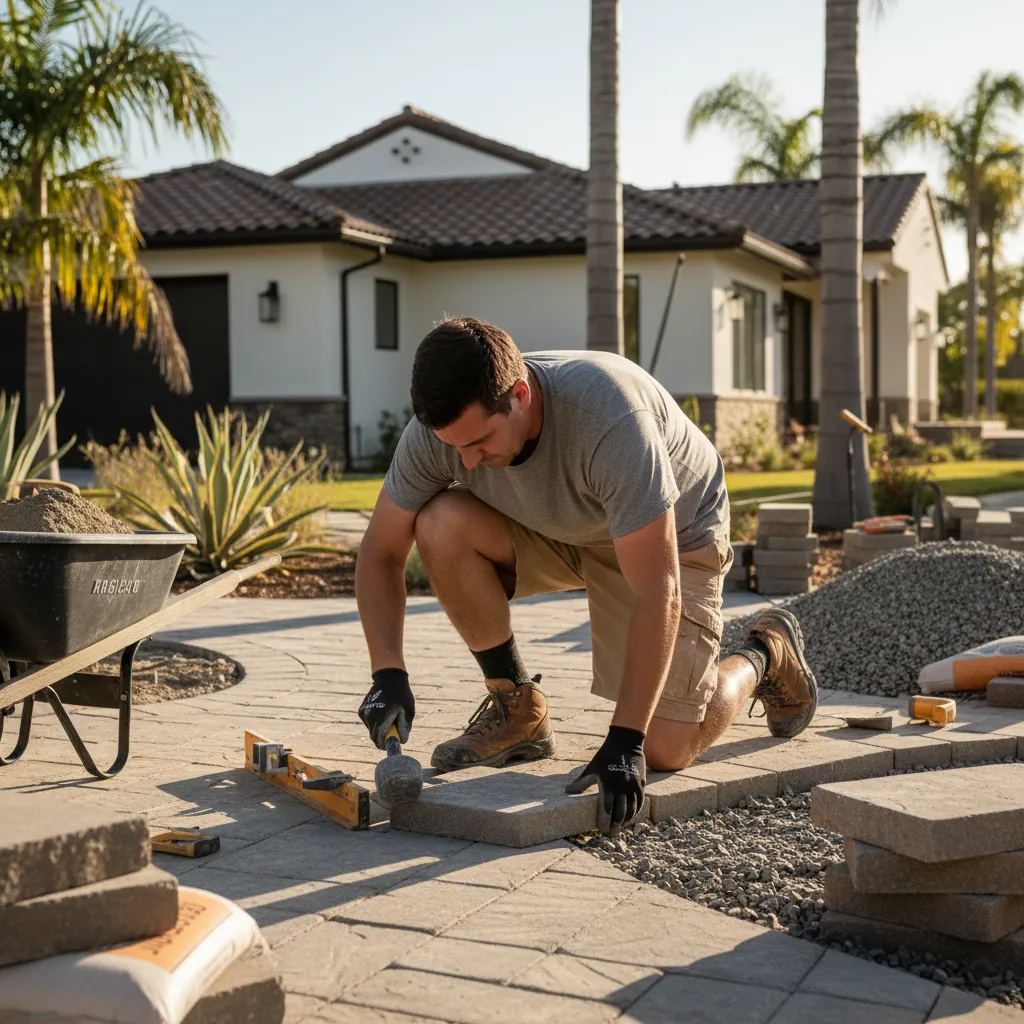
Pricing varies based on paver material selection and the labor required to excavate rocky alluvial soils.
Sloped lots near the San Gabriel foothills require robust steel-reinforced masonry; walls over four feet require structural engineering.
A highly cost-effective, non-combustible option ideal for establishing fire-safe perimeters on larger Lake View Terrace lots.
Typical market ranges for the Greater Los Angeles area, not a quote or a guarantee. The price of your job depends on its scope, so ask each pro for a written estimate before you decide.
Comprehensive site evaluation to analyze slope, drainage patterns, and soil composition
Custom layout planning designed to satisfy both LADBS regulations and LADWP rebate rules
Excavation and removal of rocky alluvial-fan topsoil to establish a stable foundation
Installation of heavy-duty geotextile weed barriers and graded aggregate base layers
Precise setting of natural stone, pavers, or block retaining walls with proper slope alignment
Polymeric joint sanding, structural compaction, and final site cleanup
ContractorPro.Leads doesn't do the work itself. We pass your Lake View Terrace project to up to four local hardscape contractors who take this kind of job, and you decide whether to hire any of them.
Whether your home is a horse property with acreage off Osborne St or a mid-century ranch style property closer to the Foothill Blvd corridor, your yard should harmonize with the local scenery. Hardscape professionals in the area design custom stone patios, fire-safe pathways, and structural retaining walls that seamlessly blend with the dry-climate flora and mountain vistas near the Hansen Dam Recreation Area.
Tell us what you have in mind. We'll pass it to up to four local pros, and they'll contact you to talk it through.
Under LADBS guidelines, standard low-profile paver patios and flat hardscaping do not require a permit. However, any retaining walls over four feet in height, or walls supporting a surcharge (such as a sloped yard or driveway above), require a structural permit and plan check approval.
The rocky alluvial-fan soil at the base of the San Gabriels provides decent natural drainage but can be difficult to excavate evenly. Professional installers place a deep, thoroughly compacted aggregate sub-base and structural geotextile fabric to prevent pavers from settling unevenly over time.
Yes, but with specific conditions. The LADWP Turf Replacement Program requires that your overall design includes permeable elements and drought-tolerant plantings; completely solid, impermeable concrete slabs generally do not qualify, whereas permeable pavers or gravel paths integrated with low-water plants do.
Late autumn through early spring is the ideal window. This avoids the intense heat of summer and minimizes working during the dry, dusty Santa Ana wind conditions which can complicate excavation and dust mitigation on foothill properties.
While there are no direct bans on specific decorative stones, local builders prioritize non-combustible materials like concrete pavers, brick, natural stone, and decomposed granite. Combustible materials like wood decking are highly discouraged near the wildland-urban interface.
