Local hardscape pros in 64 Los Angeles-area neighborhoods. Each request goes to up to four of them.
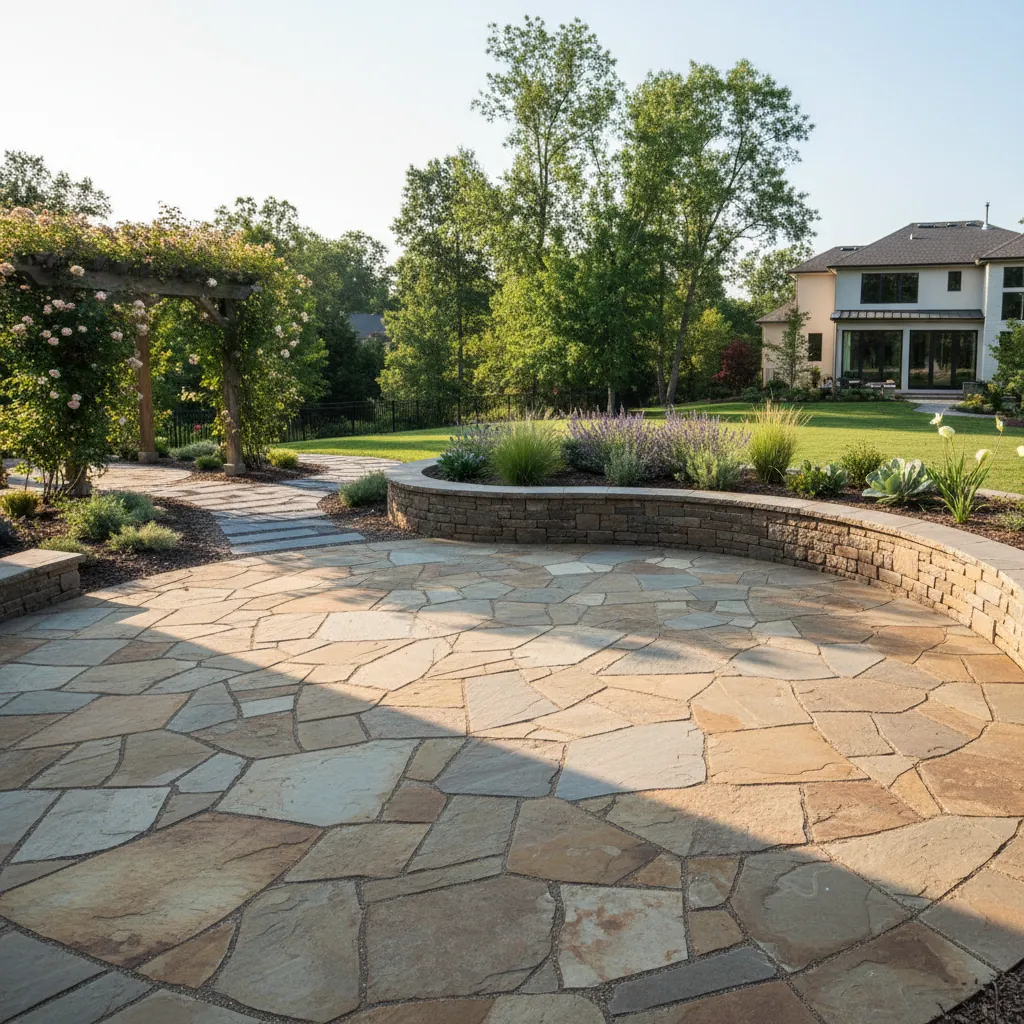
Hardscape means the constructed elements of a yard: retaining walls, patios, walkways, steps, seat walls, fire features, outdoor kitchens and drainage. In Greater Los Angeles, hardscape crews often work on sloped lots where walls hold back soil, or on flat Valley yards where old concrete gives way to stone and pavers. In Greater San Antonio, limestone walls, flagstone patios and drainage after heavy storms are frequent requests. We connect you with hardscape contractors who build in your part of town.
Hardscape starts with layout and grading. Crews excavate, set footings for walls and features, install drainage such as French drains, weep holes and gravel backfill, and build up compacted base under paved areas. Retaining walls may be poured concrete, concrete block, stone or segmental units tied back with geogrid. Patios and paths use pavers, concrete, flagstone or decomposed granite. Seat walls, steps and fire features tie it together. A patio and walkway may take one to two weeks; engineered retaining walls and multi-level builds often take four to eight weeks including permits.
Terrain drives the design. Hillside lots in places like Sherman Oaks, Highland Park and the foothills often need engineered walls and careful drainage to keep water from building up behind them. Expansive clay in the Valley pushes on walls and lifts paving, so drainage and base depth matter a great deal. Fire hazard zones affect what you build close to the house. In San Antonio, crews hit caliche and limestone right below the surface, which slows digging but supplies handsome local stone, and summer downpours can flood yards that lack grading and drains.
Retaining walls over a set height, commonly about four feet counted from the footing's base, plus walls retaining a slope or driveway usually need permits and sometimes engineering. LADBS or LA County Public Works, a separate city's building office, or San Antonio DSD may also review grading and drainage changes. Hillside areas of Los Angeles carry extra grading rules, so ask early. Patios without structures usually need none. Spring and fall are ideal for building. Expect heavy equipment, deliveries of stone and base, and some noise during the first week.
| Job | Typical range | What moves the price |
|---|---|---|
| Block or segmental retaining wall | $40 - $90 / sq ft of wall face | Height, geogrid, drainage, site access and whether the wall needs an engineer's design. |
| Poured concrete or stone retaining wall | $60 - $150 / sq ft of wall face | Footing size, rebar, stone veneer and hillside access with small equipment raise this line. |
| Flagstone patio | $20 - $40 / sq ft | Dry-laid on sand and gravel costs less than stone mortared onto a concrete slab. |
| French drain or yard drainage | $30 - $70 / linear ft | Depth, pipe type, the outlet to the street or a dry well, and obstacles like roots. |
| Seat wall or steps | $80 - $200 / linear ft | Block or stone type, cap material and how deep the footing must go in your soil. |
| Decomposed granite path | $6 - $14 / sq ft | Stabilized DG costs more but stays firmer and washes out less on sloped paths. |
Typical market ranges, not a quote. Your price depends on the house, the scope and the season; compare written quotes.
Type your ZIP code and we take you to the hardscape page for your neighborhood. If we do not cover that ZIP yet, you go to the request form with it filled in.
We also match hardscape requests in 5 San Antonio neighborhoods.
Block retaining walls often run about $40 to $90 per square foot of wall face, while poured concrete or natural stone walls commonly cost more. Height, engineering, drainage and access are the big factors. On steep LA hillside lots, a single engineered wall can reach tens of thousands of dollars.
Often yes. Many jurisdictions require a permit for walls above roughly four feet measured from the footing, or for walls supporting a slope, driveway or structure. LADBS, LA County and San Antonio DSD each set their own thresholds, and hillside lots in LA may face extra review. Confirm before building.
Most leaning walls lack proper drainage, so water pressure builds behind them, or they were built without adequate footings or reinforcement. Expansive clay adds pressure as it swells. Small walls can sometimes be rebuilt with drainage. Larger walls usually need an engineer's assessment before any repair.
Decomposed granite and gravel are usually the least expensive, followed by plain concrete. Pavers and flagstone cost more but are easier to repair. The cheapest option upfront may need more upkeep, so weigh maintenance, surface heat and how you will use the space before deciding.
Common fixes include regrading so water flows away from the house, adding French drains or channel drains, tying downspouts into drain lines and using permeable materials. In San Antonio, storms can drop a lot of rain fast, so drains need real capacity. A hardscape contractor can design a system for your lot.
Spring and fall are ideal for comfort and curing. In Los Angeles, finishing before winter rains lets the new drainage do its job. In San Antonio, avoid the peak heat of July and August for mortar and concrete work. Permits and engineering for walls can take weeks, so plan ahead.
