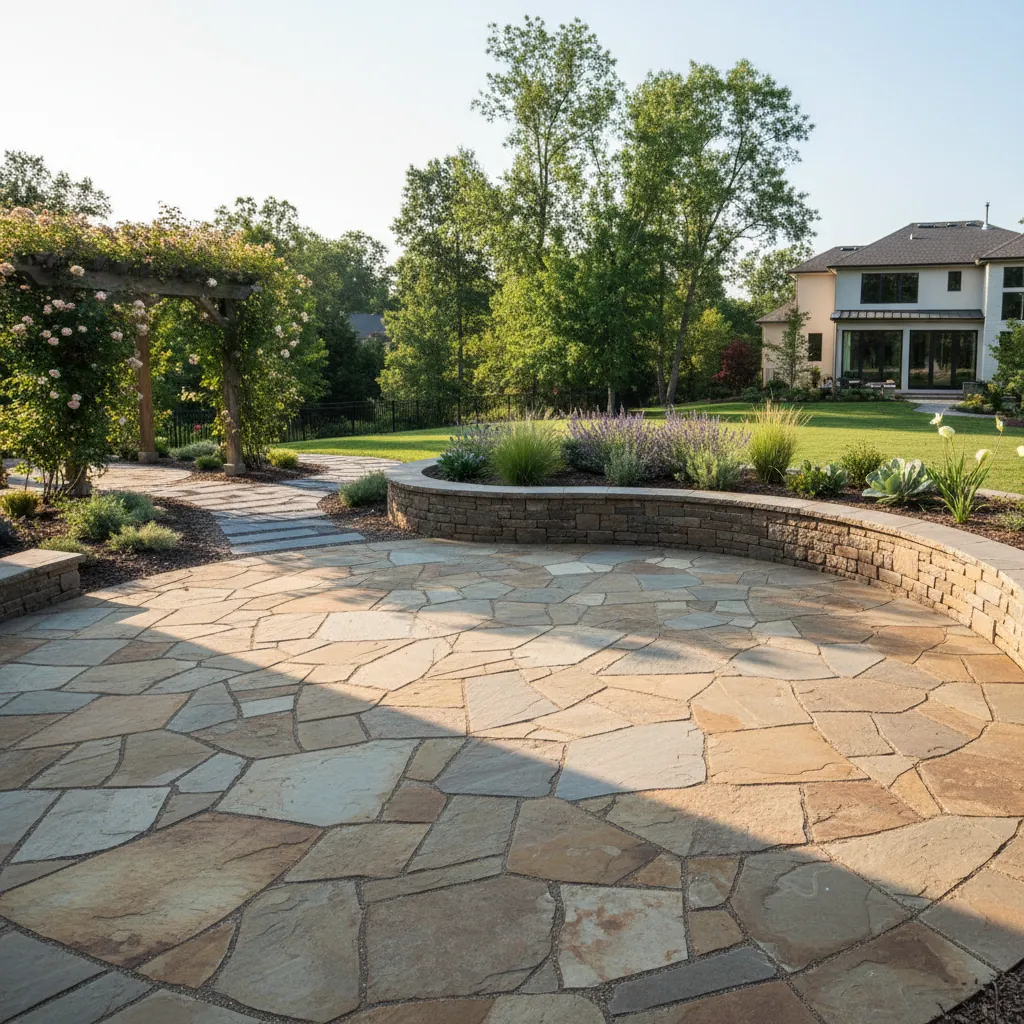
Typical Westchester costs, permit steps and timelines are below. When you are ready, describe your project and up to four local hardscape contractors serving Westchester will contact you. You compare and decide.
From the quiet, tree-lined streets near Loyola Marymount University to the homes overlooking the coastal bluffs, Westchester properties offer incredible potential for outdoor living. Balancing our cool marine climate with high-quality stone, pavers, or concrete creates a functional backyard retreat that stands up to local coastal conditions.
Hardscaping in Westchester requires careful engineering due to our sandy coastal soils, which can shift easily under heavy patios or retaining walls if not properly stabilized.
Additionally, our proximity to the ocean means salt-heavy air can rapidly degrade low-grade masonry materials and mortar if they are not selected for coastal durability. Local pros ensure deep excavation, proper sub-base compaction, and salt-resistant materials to prevent cracking and shifting over time.
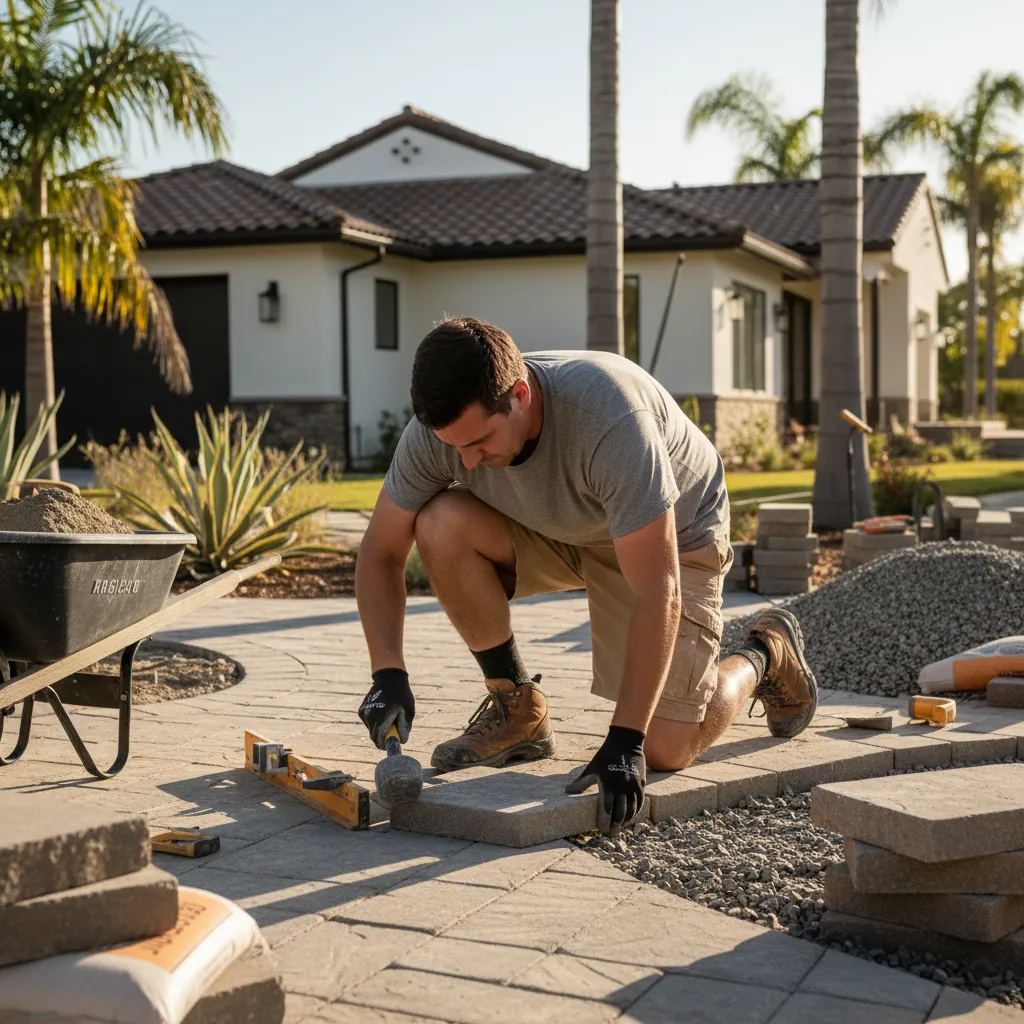
Driven by excavation depths and the need for extra sub-base stabilization in sandy Westchester soil to prevent settling.
Costs depend on whether LADBS structural permits are required, typically for walls over 3 feet tall on bluff-adjacent properties.
A highly cost-effective way to integrate functional hardscaping with LADWP-compliant water infiltration designs.
Typical market ranges for the Greater Los Angeles area, not a quote or a guarantee. The price of your job depends on its scope, so ask each pro for a written estimate before you decide.
Site assessment, including soil stability checks and utility line marking
Excavation and deep sub-grade compaction tailored to sandy coastal soil
Installation of a heavy-duty geotextile fabric to prevent sub-base sinking
Precise grading to direct stormwater runoff safely away from the home's foundation
Laying of high-durability pavers, natural stone, or salt-resistant concrete
Final joint sanding, polymeric sealing, and site cleanup
ContractorPro.Leads doesn't do the work itself. We pass your Westchester project to up to four local hardscape contractors who take this kind of job, and you decide whether to hire any of them.
Whether you are updating a classic mid-century home near Manchester Ave or building a modern retaining wall along the Sepulveda Blvd corridor, local geography shapes every project. The transition from the flat post-war tracts near Kentwood to the sloped bluffs overlooking the ocean demands precise grading and drainage solutions. Designing a hardscape that blends seamlessly with the coastal-casual aesthetic of Westchester ensures your outdoor investment elevates your home's long-term value.
All home services in Westchester
Planning a larger project in Westchester? Our local guides to home renovation contractors in Westchester and bedroom and room additions in Westchester cover permits, typical costs and timelines.
Tell us what you have in mind. We'll pass it to up to four local pros, and they'll contact you to talk it through.
Minor flatwork like ground-level paver patios, walkways, and driveways under 30 inches above grade typically do not require an LADBS permit. However, retaining walls over 3 feet tall, structural outdoor fireplaces, or major drainage alterations require formal plans and permitting.
The consistent moisture and salt air from the nearby ocean can degrade cheap brick, porous natural stones, and standard iron hardware. Local contractors recommend high-density concrete pavers, sealed natural slate, or marine-grade hardware to prevent cracking, scaling, and rust.
Yes. LADWP offers generous rebates for replacing water-thirsty turf with drought-tolerant landscaping. To qualify, you must include permeable hardscaping elements—such as gravel pathways, unsealed pavers with wide joints, or dry riverbeds—that allow water to absorb into our sandy soil instead of running off into the street.
Most residential patio projects (around 400 to 600 square feet) take between 3 to 6 days to complete. This timeframe includes thorough excavation, base preparation, laying the pavers, and applying joint sand.
Westchester sits on a mix of sandy coastal soils and bluff terrain. Without proper excavation, geotextile fabric placement, and deep gravel base compaction, heavy pavers or stones will quickly sag, shift, or become uneven as the loose sand beneath them moves.
