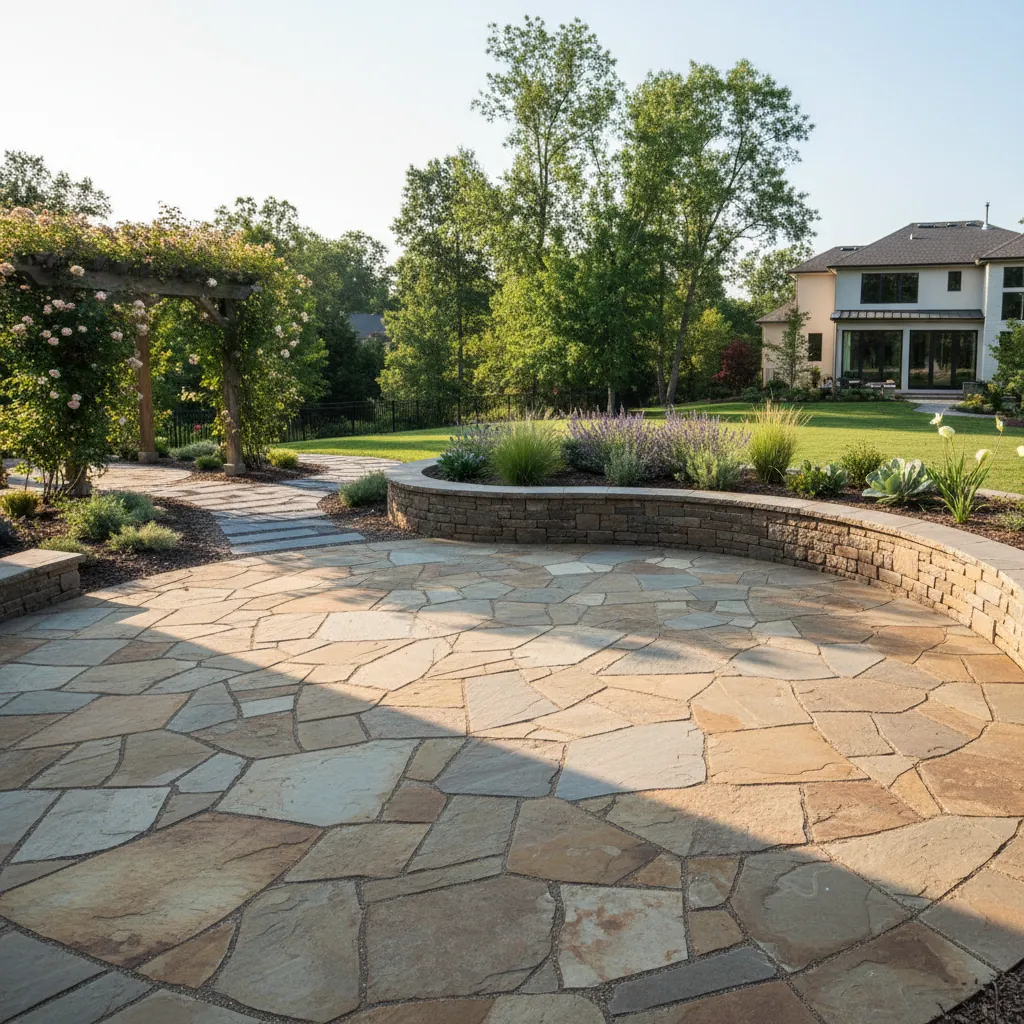
Typical Palms costs, permit steps and timelines are below. When you are ready, describe your project and up to four local hardscape contractors serving Palms will contact you. You compare and decide.
Nestled in the vibrant Westside just steps from Culver City, properties in the Palms neighborhood often feature compact, highly utilized outdoor spaces. Maximizing these yards requires thoughtful hardscape design that balances modern aesthetic appeal with smart, functional layout planning. We connect you with experienced local hardscaping specialists who can transform your patio, driveway, or side yards into inviting, low-maintenance extensions of your home.
While Palms enjoys a flat Westside terrain, the underlying alluvial soils of this historic basin can shift and settle unevenly over time.
Combined with the marine-influenced air that brings regular morning humidity, choosing the correct aggregate sub-base materials and slip-resistant pavers is critical to prevent cracked slabs and misaligned walkways. Local installations must also carefully account for City of Los Angeles drainage and permeability requirements to handle seasonal rain runoff effectively.
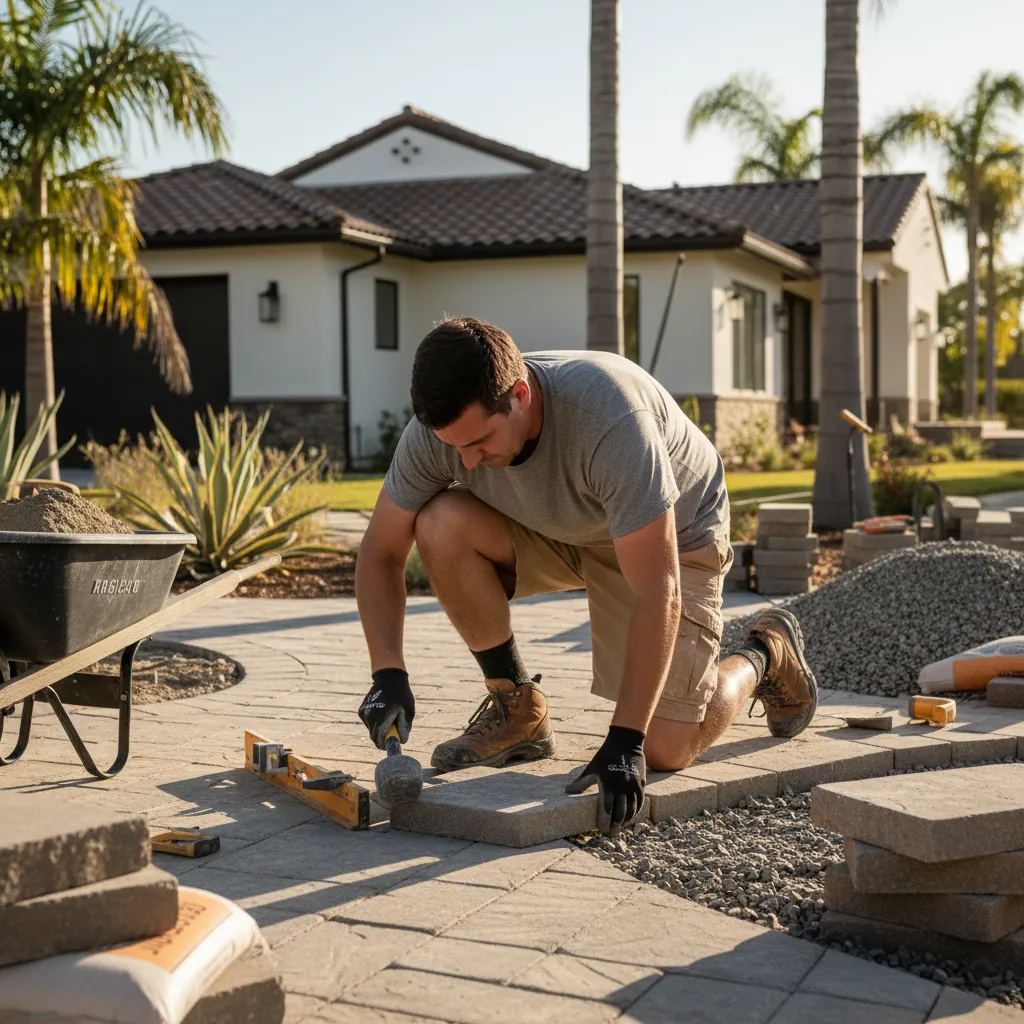
Varies based on paver material choice (concrete, clay, or natural stone) and the level of excavation required in Palms' dense residential lots.
Includes the deeper aggregate base needed for heavy vehicle loads on Westside alluvial soil and specialized permeable joint materials.
Cost is influenced by equipment accessibility along the narrow side-yards typical of older Palms bungalows.
Typical market ranges for the Greater Los Angeles area, not a quote or a guarantee. The price of your job depends on its scope, so ask each pro for a written estimate before you decide.
Comprehensive site assessment to evaluate existing drainage patterns and property lines
Excavation and deep soil compaction tailored specifically to Palms' alluvial subgrade
Laying a heavy-duty geotextile fabric barrier to prevent soil migration and settling
Spreading and mechanically compacting a sturdy, multi-layered crushed aggregate base
Precise layout and leveling of pavers, natural stone, or concrete forms
Joint sanding and application of moisture-resistant, non-slip sealants suited for coastal humidity
ContractorPro.Leads doesn't do the work itself. We pass your Palms project to up to four local hardscape contractors who take this kind of job, and you decide whether to hire any of them.
Whether you own a classic mid-century bungalow near Motor Ave or a newer multi-family property closer to Palms Blvd and National Blvd, outdoor space in 90034 is premium real estate. A professionally designed hardscape not only expands your usable square footage but also integrates beautifully with the walkable, transit-oriented lifestyle of the neighborhood, providing a clean frame for drought-tolerant Westside landscaping.
Tell us what you have in mind. We'll pass it to up to four local pros, and they'll contact you to talk it through.
In the City of Los Angeles, low-profile hardscaping like patios and walkways under 30 inches above grade generally do not require a building permit from the Los Angeles Dept. of Building and Safety (LADBS). However, projects that alter natural drainage patterns or exceed height limits will require review to ensure compliance with local ordinances.
For residential hardscape reviews or retaining walls that require permits, the LADBS plan check process can take anywhere from 2 to 6 weeks. Simple projects can often be approved faster through their online Express Permit system if they meet standard zoning codes.
Palms sits on alluvial soil which can expand and contract with moisture changes. Local contractors counter this by excavating slightly deeper and installing a thicker, highly compacted crushed aggregate base beneath the pavers to distribute weight evenly and prevent sinking.
Yes, but with specific conditions. The LADWP Turf Replacement Program requires that the replaced area includes a certain percentage of living, drought-tolerant plants and remains permeable. Pure concrete patios do not qualify, but permeable pavers or gravel paths integrated with native plantings do.
The dry season from May through October is ideal for excavation and masonry work, as sudden rain can disrupt soil compaction. However, booking your project during the late winter or early spring allows you to have your outdoor space fully ready by the time summer arrives.
