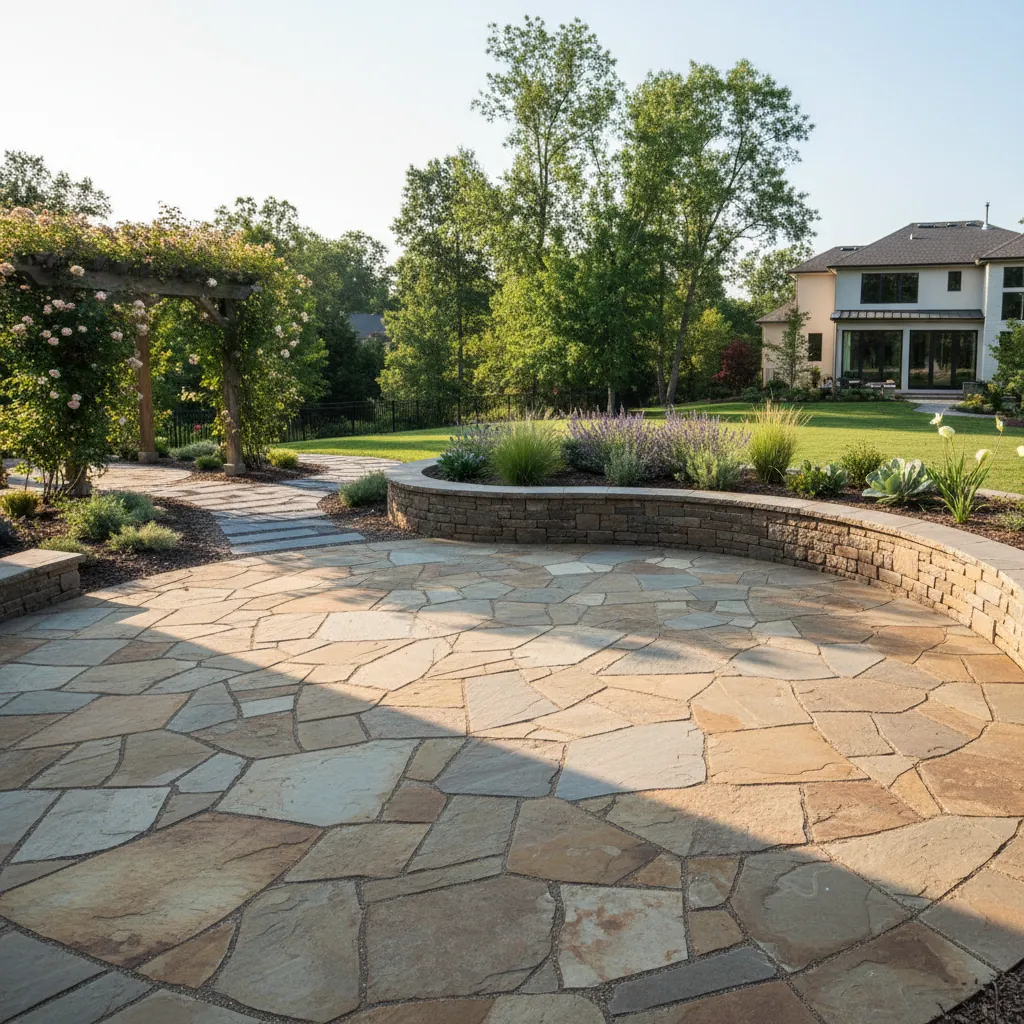
Typical Westwood costs, permit steps and timelines are below. When you are ready, describe your project and up to four local hardscape contractors serving Westwood will contact you. You compare and decide.
Designing a highly functional outdoor space in Westwood requires balancing the area's classic architectural charm with its unique coastal-adjacent geography. Whether you are envisioning a stone patio for entertaining or a structural retaining wall, local specialists can bring your vision to life.
The gently rolling terrain situated between the Santa Monica Mountains and Wilshire Boulevard features alluvial and older terrace soils, which can shift and settle under heavy stone or concrete installations.
Proper drainage and deep structural base preparation are essential here to prevent shifting during our dry summers and occasional heavy winter rains. Furthermore, any significant grading or retaining structures must carefully align with the City of Los Angeles Department of Building and Safety (LADBS) codes to ensure long-term stability and compliance.
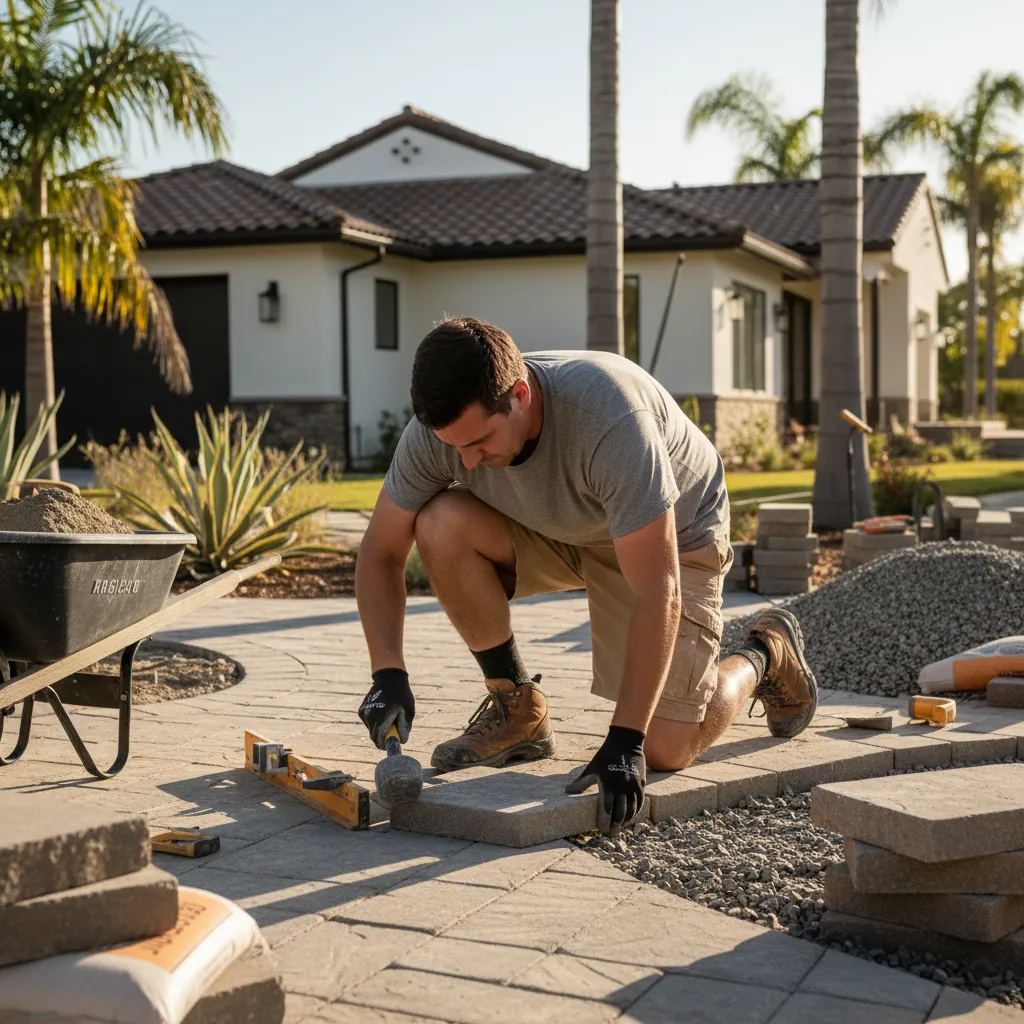
Costs depend on material selection (concrete pavers vs. natural flagstone) and the grading required for Westwood's rolling terrain.
Sloped lots near the foothills often require engineered retaining walls to prevent soil erosion, affecting structural and engineering costs.
Replacing driveways in alluvial soil requires a reinforced gravel base and steel rebar to prevent cracking from soil movement.
Typical market ranges for the Greater Los Angeles area, not a quote or a guarantee. The price of your job depends on its scope, so ask each pro for a written estimate before you decide.
Site assessment including slope analysis and soil-type evaluation
Sourcing local materials that complement Westwood's architectural styles
Excavation and grading optimized for local drainage patterns
Compaction of sub-base to prevent settling in alluvial soil
Precise layout and installation of pavers, stone, or retaining walls
Final inspection and clean-up in accordance with LADBS standards
ContractorPro.Leads doesn't do the work itself. We pass your Westwood project to up to four local hardscape contractors who take this kind of job, and you decide whether to hire any of them.
From the stately Spanish Colonial and Mid-Century homes near the UCLA campus to the residential properties branching off the bustling Wilshire Boulevard corridor, Westwood's diverse architecture demands thoughtful hardscape design. Creating seamless transitions between indoor and outdoor spaces reflects the classic Westwood Village aesthetic, blending Mediterranean clay tiles or clean-cut natural stone with drought-tolerant plantings that thrive in our mild, marine-influenced climate.
Tell us what you have in mind. We'll pass it to up to four local pros, and they'll contact you to talk it through.
In the City of Los Angeles, simple flatwork like a backyard patio typically does not require a permit. However, the Los Angeles Department of Building and Safety (LADBS) does require permits and engineering for retaining walls over 3.5 feet in height, or for significant grading on sloped properties.
Simple projects eligible for 'Express Permit' services can sometimes be approved online instantly. For custom structural hardscapes or properties in designated hillside areas near the Santa Monica Mountains, plan check reviews by LADBS can take anywhere from 4 to 12 weeks.
Westwood sits on alluvial and older terrace soils, which are prone to shifting and settling over time. Local contractors mitigate this by excavating deeper, laying a thicker compacted gravel sub-base, and using geotextile fabric to stabilize the ground before laying stones or pouring concrete.
While LADWP does not rebate hardscape directly, they offer substantial turf replacement rebates if you convert water-thirsty lawns into drought-tolerant landscaping that incorporates permeable hardscape features, allowing rainwater to absorb back into the ground.
Thanks to Westwood's mild, marine-influenced climate, hardscaping can be done year-round. However, scheduling your project between late spring and autumn avoids the winter rain window, ensuring concrete cures perfectly and soil compaction isn't compromised by excess moisture.
