Typical Westwood costs, permit steps and timelines are below. When you are ready, describe your project and up to four local paver installers serving Westwood will contact you. You compare and decide.
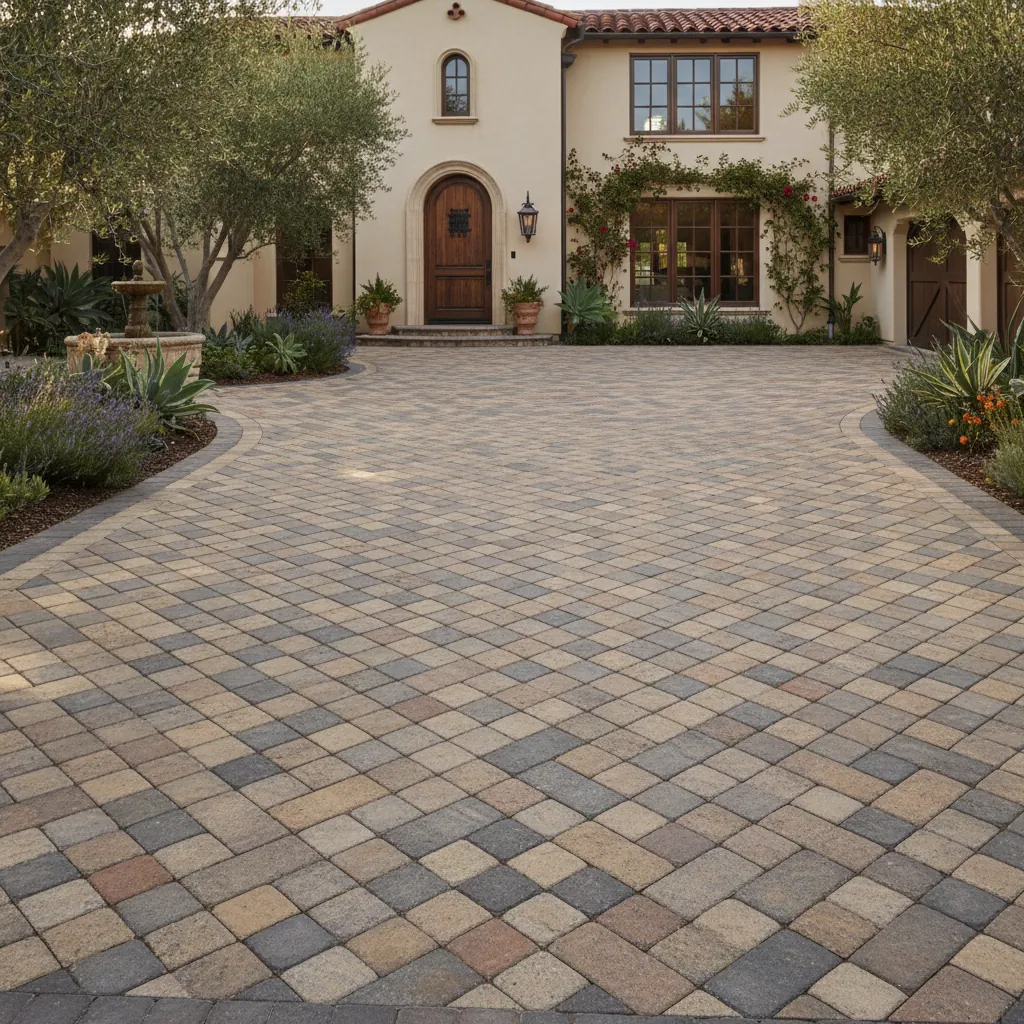
Includes basic excavation, base preparation, and standard concrete interlocking pavers, typical for flat backyard patios in Westwood.
Higher cost reflects the extra structural base depth required for vehicles and premium materials like travertine or slate.
Requires specialized deep aggregate layers for water infiltration, often paired with LADWP water-conservation rebates.
Typical market ranges for the Greater Los Angeles area, not a quote or a guarantee. The price of your job depends on its scope, so ask each pro for a written estimate before you decide.
Hardscaping in Westwood demands an appreciation for the neighborhood's classic architectural charm and distinct geography. From the historic homes near UCLA to the properties rising into the gently rolling hills north of Wilshire, custom paver installations provide an elegant, long-lasting alternative to cracked concrete. We connect you with qualified local hardscaping professionals who understand how to elevate your outdoor living spaces.
The gently rolling terrain between the Santa Monica Mountains and Wilshire Boulevard features alluvial and older terrace soils that are prone to shifting during seasonal moisture changes.
Without precise soil compaction and a highly engineered sub-base, paver patios and driveways in Westwood can easily sag or buckle. Ensuring proper drainage is critical to prevent runoff issues on these sloped properties, making professional excavation and grading essential.
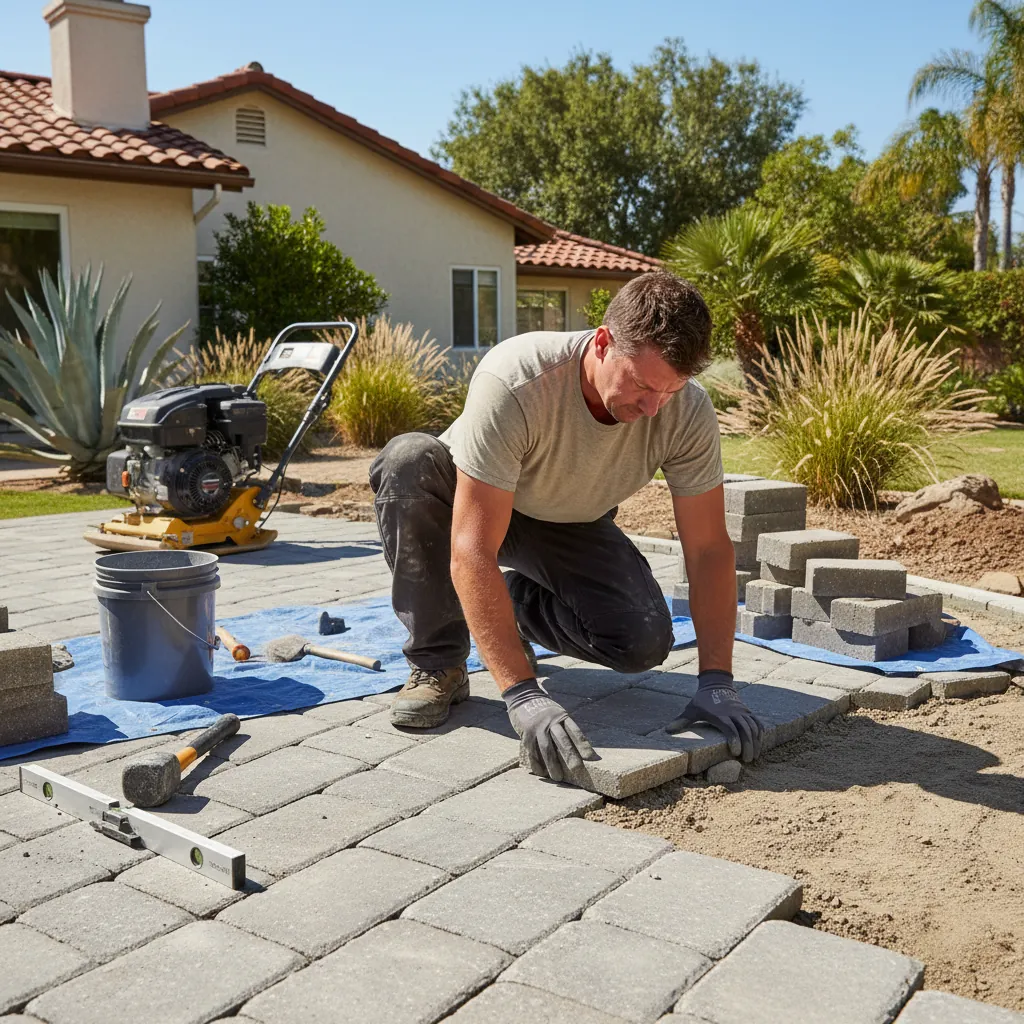
Initial site assessment, topographic leveling, and utility line marking
Excavation of the subgrade to a depth of 7 to 12 inches depending on load requirements
Laying and compacting a crushed stone aggregate base
Applying a precise layer of bedding sand and hand-laying pavers in the chosen pattern
Vibrating the pavers into the sand bed and sweeping polymeric joint sand to lock them in place
ContractorPro.Leads doesn't do the work itself. We pass your Westwood project to up to four local paver installers who take this kind of job, and you decide whether to hire any of them.
Whether you own a classic Spanish Revival home near Westwood Village or a mid-century property winding up the hillsides, your hardscape should respect the local aesthetic. Choosing materials that complement the warm, natural tones of the Westside landscape ensures your new driveway, walkway, or pool deck feels like a natural extension of the neighborhood. Seamlessly transitioning from your backyard to the coastal-influenced outdoor lifestyle of Westwood is all about selecting the right textures and patterns.
Tell us what you have in mind. We'll pass it to up to four local pros, and they'll contact you to talk it through.
Standard paver patios, walkways, and driveways at grade level generally do not require a permit from LADBS. However, if your project involves structural retaining walls, significant grade changes on Westwood’s rolling hills, or work in the public right-of-way, a permit and inspection will be required.
Yes, if you are replacing existing turf grass with permeable pavers as part of a water-efficient landscape conversion, you may qualify for the LADWP Turf Replacement Program rebates. The pavers must be truly permeable to allow water to filter back into the ground.
Westwood's older terrace and alluvial soils expand and contract with moisture. To prevent pavers from shifting or sinking over time, local professionals excavate deeper and use a thoroughly compacted class-II road base underneath the bedding sand.
While our mild, marine-influenced climate allows for year-round installation, the dry months between May and November are ideal. This avoids winter rain delays and prevents working with saturated, muddy clay and alluvial soils during excavation.
A standard 500-square-foot paver patio usually takes 3 to 5 days. Larger projects, sloped driveways requiring grading, or intricate custom patterns can take up to two weeks to ensure correct base preparation and drainage.
