Typical Cheviot Hills costs, permit steps and timelines are below. When you are ready, describe your project and up to four local paver installers serving Cheviot Hills will contact you. You compare and decide.
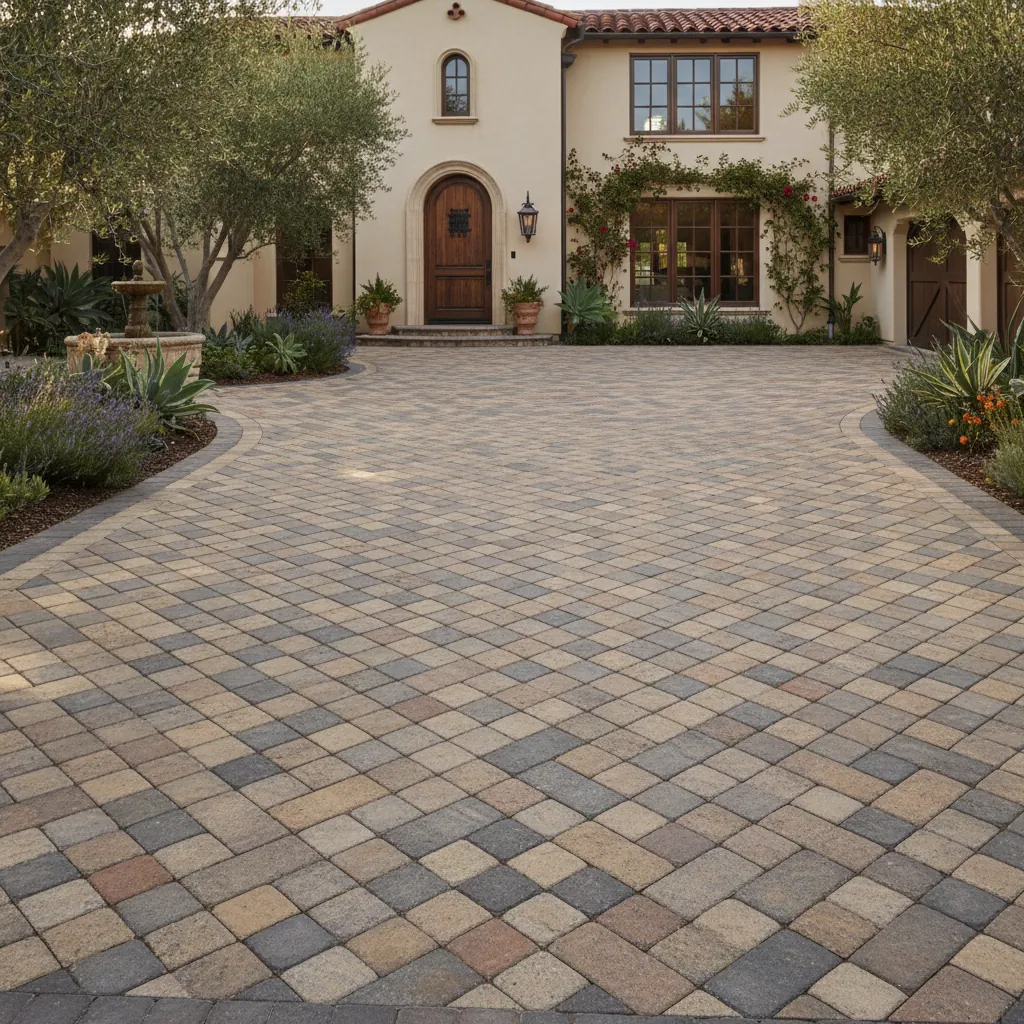
Rates in the 90064 ZIP reflect the necessity of deep clay soil excavation, robust base preparation, and heavy equipment access on rolling residential streets.
Custom patterns, step integration, and intricate borders common in Cheviot Hills backyards drive the labor cost within this range.
Requires specialized open-graded stone bases to facilitate deep drainage, which helps comply with LADWP water management practices.
Typical market ranges for the Greater Los Angeles area, not a quote or a guarantee. The price of your job depends on its scope, so ask each pro for a written estimate before you decide.
Nestled in the rolling hills adjacent to Century City, Cheviot Hills homes feature stunning outdoor spaces that demand both beauty and structural integrity. Enhancing your property with a custom paver driveway, patio, or walkway not only elevates your home's curb appeal but also ensures a durable surface that handles the Westside's unique environment. We connect you with local hardscaping pros who specialize in designing and installing high-quality pavers tailored to this historic neighborhood.
The rolling terrain of Cheviot Hills sits on expansive clay soils that shift with seasonal moisture changes, particularly during damp Westside marine-layer mornings.
Standard concrete slabs frequently crack under these conditions, making interlocking pavers a highly resilient alternative. However, achieving a flat, long-lasting paver surface on our hillside slopes requires deep subgrade excavation, heavy compaction, and occasionally engineered retaining solutions to prevent shifting.
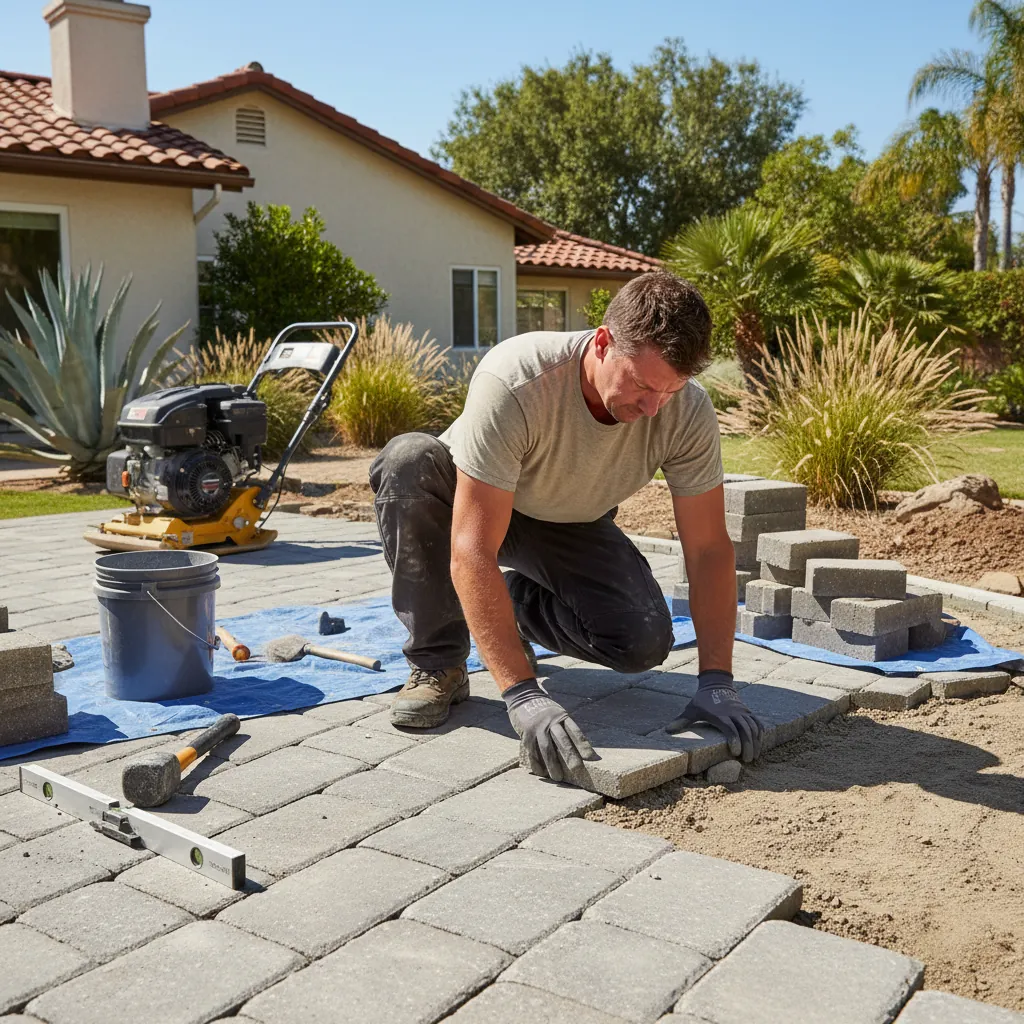
Site assessment to evaluate slope, clay soil depth, and drainage flow
Subgrade excavation and installation of a heavy-duty geotextile stabilization fabric
Laying and compacting a class II road base tailored to hillside stability
Screeding a precise bedding sand layer to handle interlocking paver placement
Arranging pavers in the selected pattern, followed by joint sand sweep and mechanical compaction
Applying a high-quality joint sand stabilizer to resist Westside moisture and weeds
ContractorPro.Leads doesn't do the work itself. We pass your Cheviot Hills project to up to four local paver installers who take this kind of job, and you decide whether to hire any of them.
From the quiet, tree-lined residential streets near the Rancho Park Golf Course to the properties climbing the ridges overlooking Pico Boulevard, Cheviot Hills homes exhibit a classic Westside charm. Homeowners near the Cheviot Hills Recreation Center often seek low-maintenance, permeable paver solutions that complement the mature street trees and lush landscaping characteristic of the area, ensuring that modern hardscaping blends seamlessly with the neighborhood’s established mid-century and traditional aesthetics.
Tell us what you have in mind. We'll pass it to up to four local pros, and they'll contact you to talk it through.
Standard, non-structural paver installations on grade typically do not require an LADBS permit. However, if your Cheviot Hills property is on a steep hillside slope that requires a retaining wall over four feet tall, or if you are altering the public right-of-way apron near the street, you will need to submit plans to LADBS for review, which typically takes 2 to 6 weeks.
Clay soils expand when wet and contract when dry. Local pros prevent paver shifting by excavating deeper than standard guidelines (often 8 to 12 inches for driveways) and installing a geotextile fabric beneath a highly compacted gravel base to isolate the pavers from soil movement.
Yes, if you are replacing existing water-thirsty turf with permeable pavers, you may qualify for LADWP’s landscape incentive program. The pavers must be installed over a permeable base that allows rainwater to infiltrate back into the ground rather than running off into the street.
Large, established trees can have extensive root systems. Experienced local contractors utilize specialized root barrier membranes and flexible paver systems that can accommodate minor root growth over time without catastrophic cracking, unlike solid poured concrete.
While Southern California's climate allows for year-round installation, the dry months between late spring and early autumn are ideal. This avoids working with saturated clay soils during winter rains, ensuring optimal soil compaction and a perfectly level finish.
ContractorPro.Leads doesn't check licenses or insurance, so take a few minutes before you sign. Look up the company's license at cslb.ca.gov and confirm it is active and covers this type of work. Ask for current certificates of general liability insurance and, if the company has employees, workers' compensation. Then get a written contract that says who pulls the Los Angeles Dept. of Building and Safety (LADBS) permits.
