Typical Cheviot Hills costs, permit steps and timelines are below. When you are ready, describe your project and up to four local concrete contractors serving Cheviot Hills will contact you. You compare and decide.
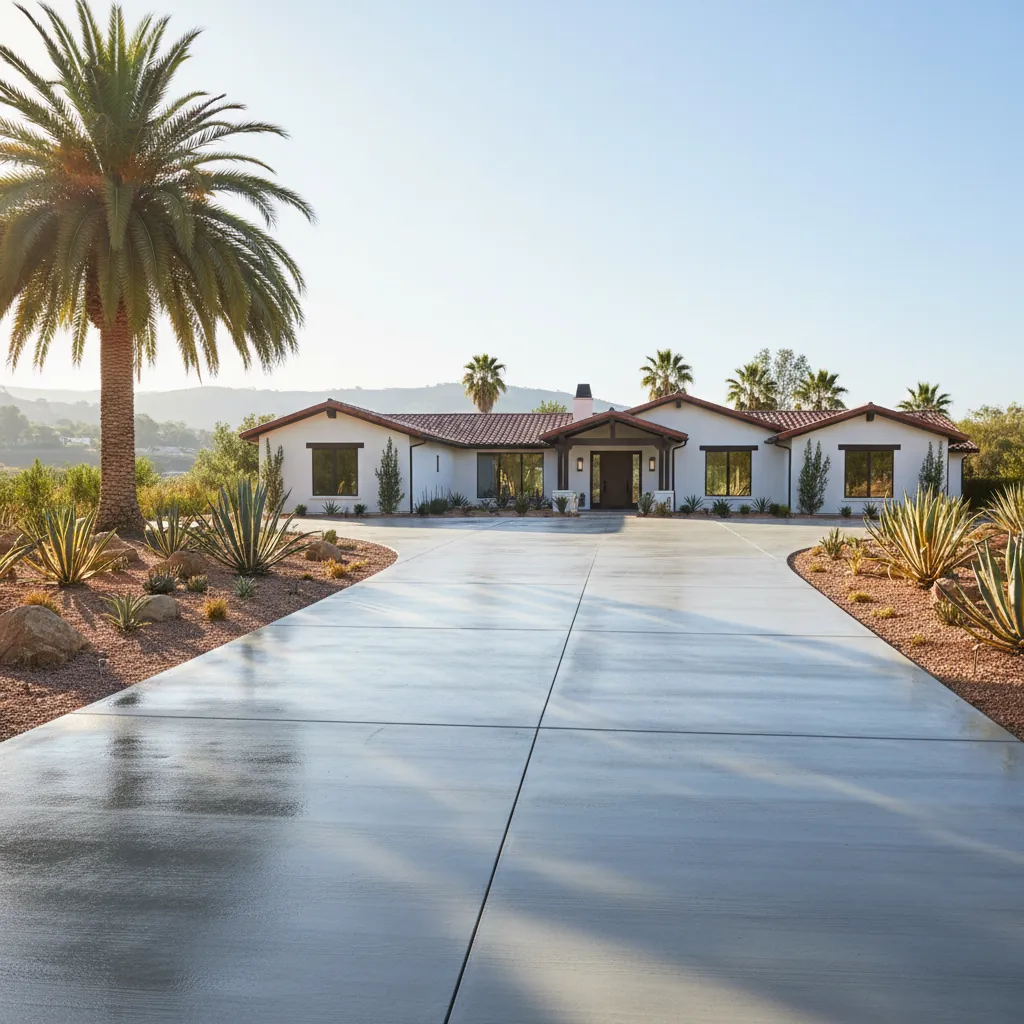
Initial site evaluation including soil testing and slope assessment
Drafting of structural plans and submission to LADBS for necessary permits
Excavation and root-barrier installation to protect against mature street trees
Placement of heavy-duty steel rebar reinforcement for clay soil stability
Pouring of high-PSI concrete mix, timed around coastal morning moisture
Applying curing compounds and cutting control joints to prevent cracking
Prices vary based on excavation needs, slope, and whether decorative finishes or stamped patterns are requested to match Westside styling.
Hillside soils in Cheviot Hills often require engineered footings, steel reinforcement, and LADBS permits, driving up complexity and cost.
Clay soils require thicker slabs with extensive rebar framing to support home additions or detached garages safely.
Typical market ranges for the Greater Los Angeles area, not a quote or a guarantee. The price of your job depends on its scope, so ask each pro for a written estimate before you decide.
Tucked along the rolling hills beside Century City, Cheviot Hills properties boast elegant designs that demand flawless, enduring hardscaping. Whether you are updating a classic mid-century driveway near the Rancho Park Golf Course or adding a modern patio, local concrete professionals can help bring your vision to life. We connect you with local independent contractors who understand the unique structural and aesthetic demands of this Westside neighborhood.
The rolling terrain of Cheviot Hills features clay-heavy hillside soils that expand and contract with the coastal marine layer, putting immense pressure on flatwork.
To prevent shifting and cracking, concrete projects here—especially retaining walls and home additions—frequently require engineered foundations and precise LADBS permitting. Choosing a professional who understands soil-stabilization and local grading standards is critical to avoiding costly structural failures.
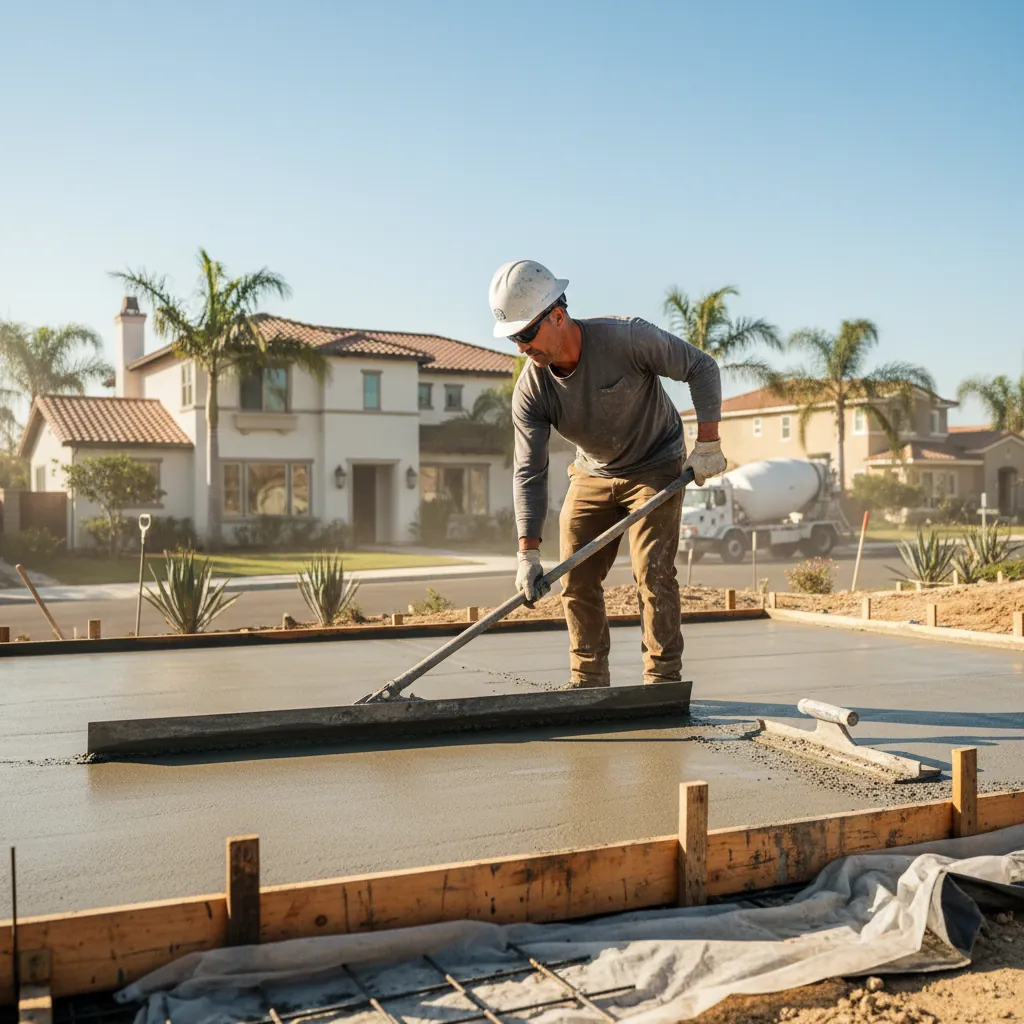
ContractorPro.Leads doesn't do the work itself. We pass your Cheviot Hills project to up to four local concrete contractors who take this kind of job, and you decide whether to hire any of them.
From the quiet residential streets near the Cheviot Hills Recreation Center to the bustling commercial corridor along Pico Blvd, the neighborhood's mature street trees bring charm but also invasive roots that threaten aging concrete driveways. Upgrading your pathways with root-barrier systems and reinforced slabs ensures your property matches the pristine, tree-lined character of the area while maintaining structural integrity.
Tell us what you have in mind. We'll pass it to up to four local pros, and they'll contact you to talk it through.
Simple flatwork like driveways might only take a few days via express permits, but structural concrete, retaining walls, or hillside projects require plan checks through the Los Angeles Department of Building and Safety (LADBS) which can take 4 to 8 weeks.
Cool, damp morning air from the Westside marine layer can slow evaporation. Experienced local contractors typically schedule pours for mid-day to ensure even curing and prevent weak spots in the concrete surface.
Yes, replacing a driveway in Los Angeles requires a permit, and if you are working near public right-of-way trees common in Cheviot Hills, you may also need approval from Urban Forestry to protect the root systems.
Yes, LADWP offers rebates for replacing traditional concrete or turf with permeable pavers or permeable concrete, which helps capture rainwater runoff and complies with local water conservation goals.
Cheviot Hills has rich clay soils that swell when wet and shrink when dry, combined with rolling terrain. Without proper sub-base preparation, thick steel rebar reinforcement, and strategically placed control joints, this soil movement inevitably causes cracks.
ContractorPro.Leads doesn't check licenses or insurance, so take a few minutes before you sign. Look up the company's license at cslb.ca.gov and confirm it is active and covers this type of work. Ask for current certificates of general liability insurance and, if the company has employees, workers' compensation. Then get a written contract that says who pulls the Los Angeles Dept. of Building and Safety (LADBS) permits.
