Typical Venice costs, permit steps and timelines are below. When you are ready, describe your project and up to four local paver installers serving Venice will contact you. You compare and decide.
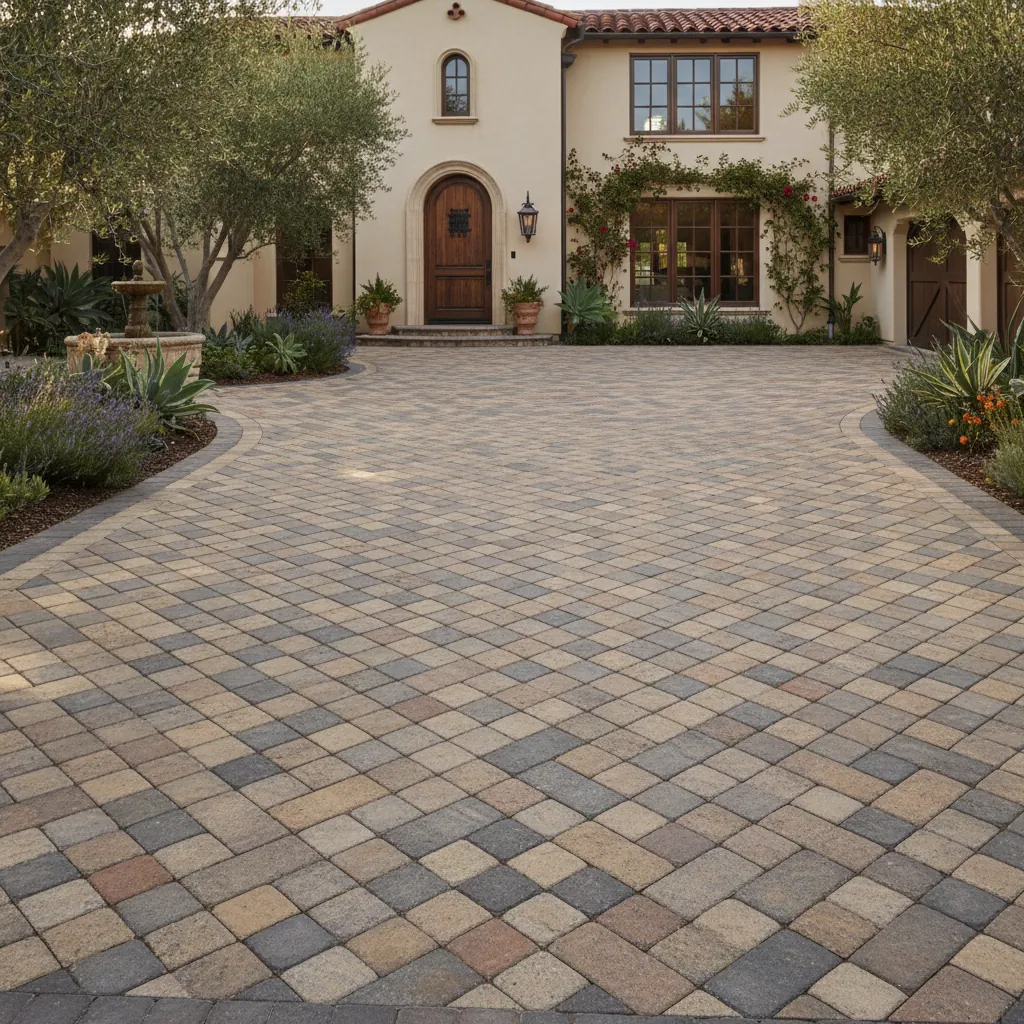
Reflects standard Los Angeles labor rates and high-quality concrete pavers; complex patterns or tight access in Venice alleyways can increase costs.
Requires deeper excavation and specialized open-graded aggregate layers to manage drainage and meet local environmental guidelines.
Essential for replacing cracked concrete driveways; cost depends on accessibility and proximity to coastal lot lines.
Typical market ranges for the Greater Los Angeles area, not a quote or a guarantee. The price of your job depends on its scope, so ask each pro for a written estimate before you decide.
From the sleek modern properties lining the Venice Canals to the classic beach bungalows tucked behind Abbot Kinney Boulevard, outdoor living is central to our coastal lifestyle. Selecting the right hardscaping material is key to preserving both the aesthetic and structural integrity of your beachside patio, walkway, or driveway. We connect you with local paving professionals to design and install durable, beautiful surfaces built to endure the unique coastal environment.
Venice's flat coastal lowland features highly sandy soil and a shallow water table, which makes proper excavation and sub-base compaction critical to prevent shifting over time.
Additionally, the constant marine fog and salty air can degrade subpar materials and cause rapid weed or moss growth in damp paver joints. Without a meticulously engineered base and specialized joint sand, coastal pavers can quickly sag, buckle, or succumb to salt-air erosion.
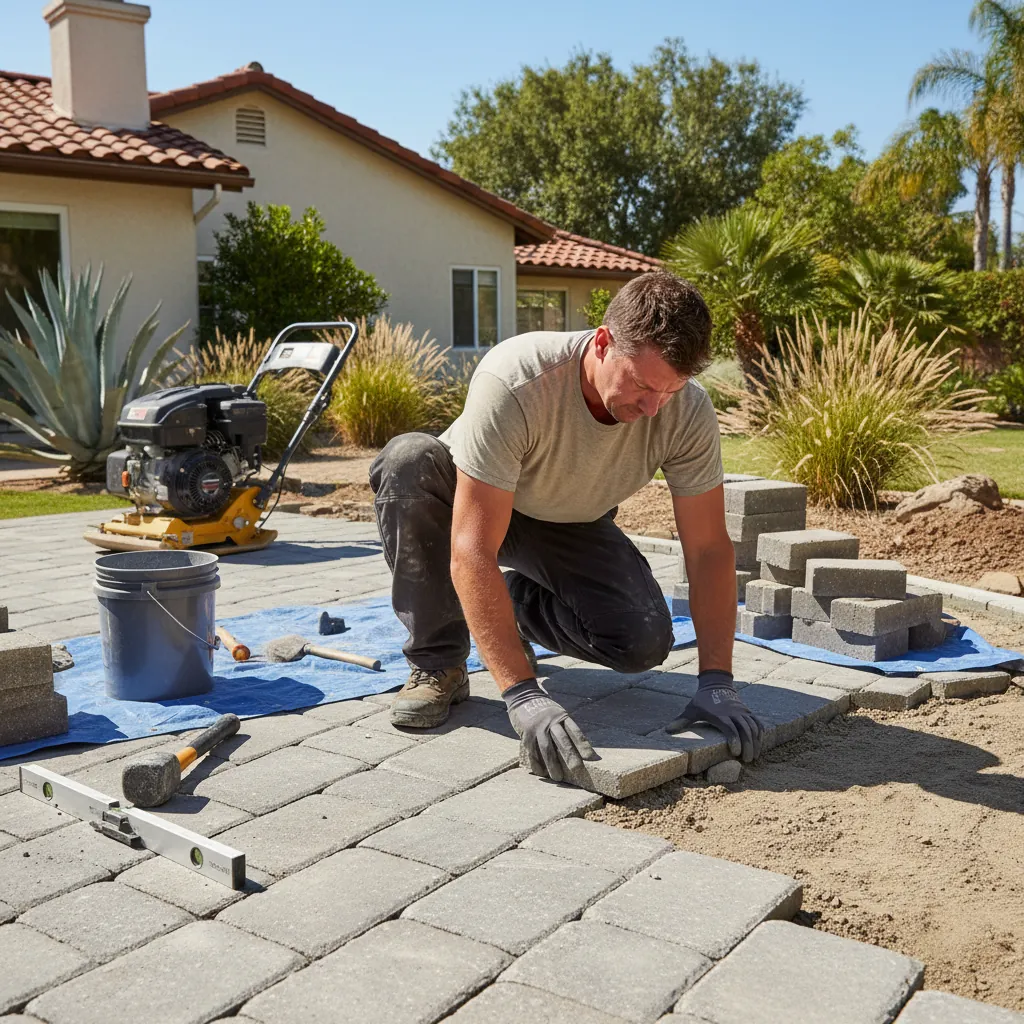
Site assessment, utility marking, and elevation planning for proper drainage.
Excavation of sandy topsoil to the depth required for a stable sub-base.
Installation of heavy-duty geotextile fabric to separate sand from the aggregate base.
Spreading, dampening, and mechanical compaction of the crushed stone base.
Screeding a thin bedding sand layer and hand-laying pavers in the chosen pattern.
Applying edge restraints, sweeping in joint sand, and final plate compaction.
ContractorPro.Leads doesn't do the work itself. We pass your Venice project to up to four local paver installers who take this kind of job, and you decide whether to hire any of them.
Whether you are updating a compact courtyard near the bustling Venice Beach Boardwalk or designing an expansive entertainment area off Abbot Kinney, pavers offer the perfect blend of flexibility and style. In our dense, high-water-table neighborhoods, permeable pavers are particularly popular, allowing runoff to filter naturally into the sandy ground rather than overloading the local storm drains.
Tell us what you have in mind. We'll pass it to up to four local pros, and they'll contact you to talk it through.
Standard grade-level paver patios and driveways usually do not require a formal building permit from LADBS, provided they do not alter established drainage patterns or exceed height limits near property lines. However, properties within the coastal zone may have specific local zoning restrictions, and any work altering the public right-of-way or parkway requires a city permit.
A shallow water table means the soil underneath remains damp, which can cause standard concrete slabs to crack and lift. Interlocking pavers are highly recommended because they are flexible; they distribute weight evenly and settle naturally without cracking, especially when installed with a woven geotextile fabric barrier.
Yes. The Los Angeles Department of Water and Power (LADWP) offers turf replacement rebates when you convert high-water-use lawns into sustainable landscapes. Installing permeable pavers as part of your landscape plan can qualify, as long as they allow water to infiltrate back into the ground and meet current program requirements.
High-quality concrete and natural stone pavers are highly resistant to salt damage. However, the damp coastal fog can encourage moss and weed growth in the joints. Using premium polymeric joint sand that hardens when dry helps block moisture penetration and keeps your pavers locked tightly in place.
A standard driveway or patio project typically takes 3 to 7 days, depending on the size and excavation requirements. Tight beach lots with limited equipment access or narrow alleyways may require slightly more hand-labor, extending the timeline.
