Typical Venice costs, permit steps and timelines are below. When you are ready, describe your project and up to four local HVAC contractors serving Venice will contact you. You compare and decide.
Furnace installation in Venice, CA looks different from inland Los Angeles. Winters are mild, many homes are small or have no attic, and salt air wears on outdoor equipment. Homeowners replacing an old wall or floor furnace often choose between a new high-efficiency gas furnace and an electric heat pump that also cools. Either way the installer needs LADBS permits and a plan for corrosion-resistant equipment.
The primary hurdle for HVAC systems in Venice is the relentless combination of salt air, coastal fog, and high humidity.
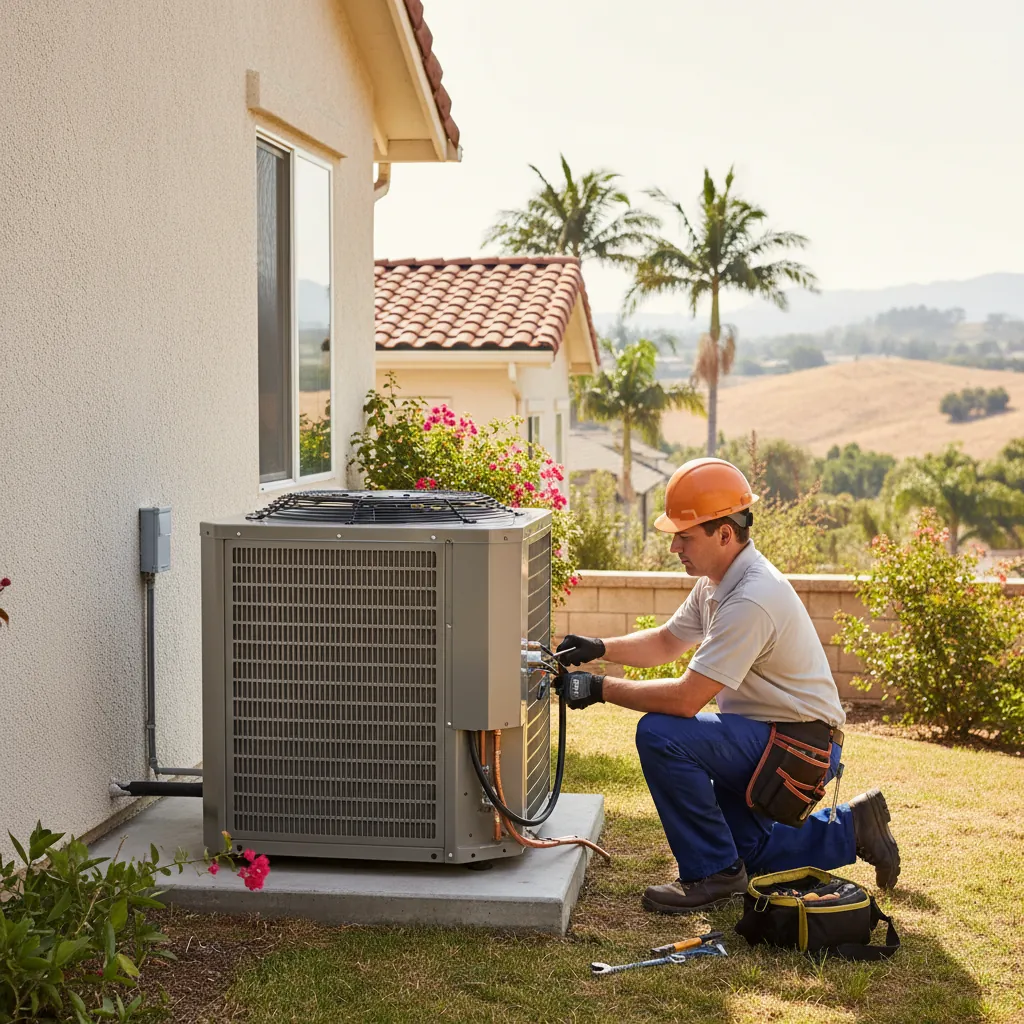
Condenser coils on outdoor units corrode rapidly here compared to inland Los Angeles, leading to premature system failure if not treated with specialized coastal coatings. Additionally, the flat terrain and shallow water table near the Venice Canals means crawlspace ductwork is vulnerable to moisture intrusion, requiring meticulous sealing to prevent mold growth.
Includes specialized anti-corrosive coatings crucial for resisting salt air damage in the 90291 ZIP code.
Ideal for compact Venice cottages or homes without pre-existing ductwork.
Varies depending on access difficulties in dense canal-side neighborhoods and LADBS permit fees.
Typical market ranges for the Greater Los Angeles area, not a quote or a guarantee. The price of your job depends on its scope, so ask each pro for a written estimate before you decide. Bars share one scale, so you can compare project sizes.
Site assessment to measure salt-air exposure and space constraints
Calculations to size the system specifically for Venice's cool marine microclimate
Application of anti-corrosive protective coatings to the condenser coils
Secure elevation of equipment above sandy soil and potential high-water zones
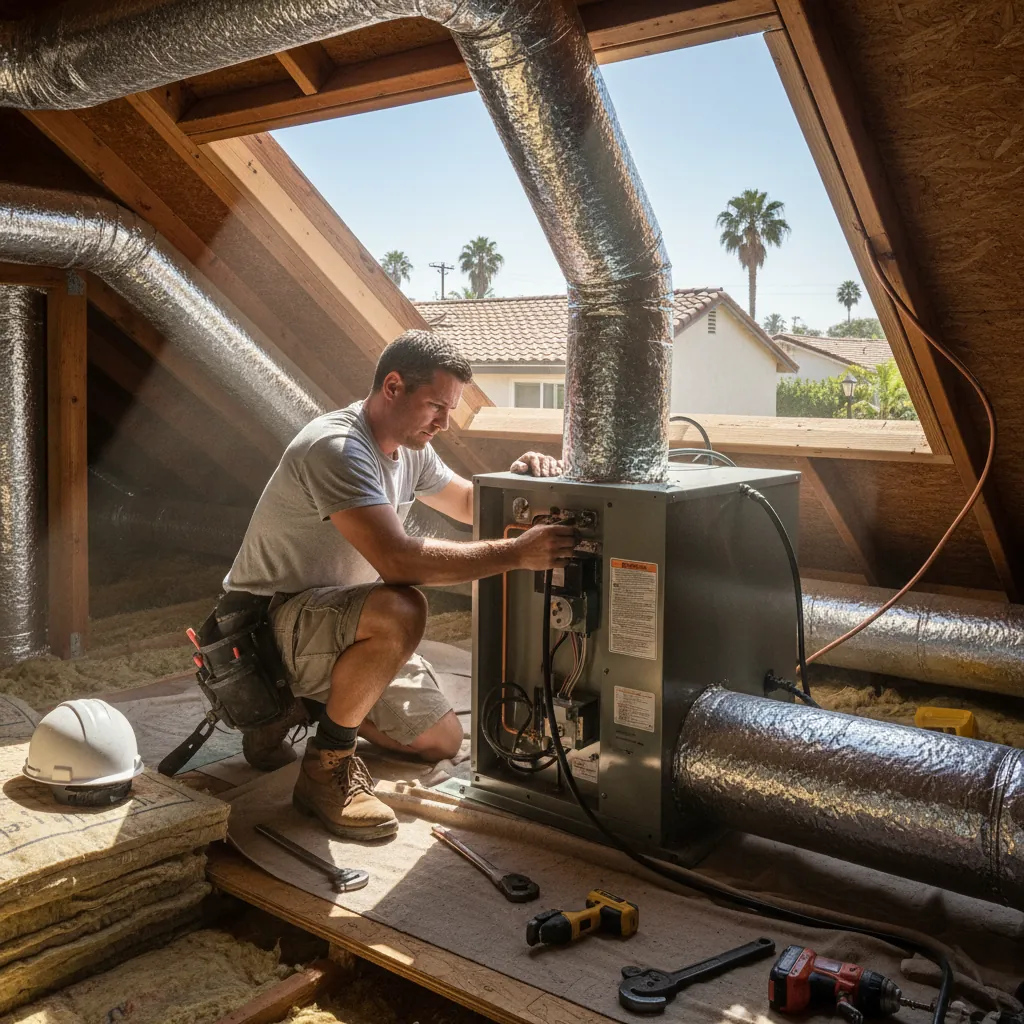
Full ductwork sealing and insulation to block coastal moisture
LADBS permit filing and coordination for final inspection
ContractorPro.Leads doesn't do the work itself. We pass your Venice project to up to four local HVAC contractors who take this kind of job, and you decide whether to hire any of them.
Whether you own a modern architectural home near Abbot Kinney Blvd, a historic cottage along the Venice Canals, or a multi-unit property steps from the Venice Beach Boardwalk, your HVAC needs are unique. The dense layout and coastal microclimate of the 90291 area require quiet, compact outdoor units that comply with strict local noise ordinances while resisting salt spray.
More planning guides for Venice and nearby: HVAC in Mar Vista, insulation in Venice and air duct cleaning in Venice.
Tell us what you have in mind. We'll pass it to up to four local pros, and they'll contact you to talk it through.
Yes. Venice is in the City of Los Angeles, and replacing or installing a furnace needs an LADBS mechanical permit, plus electrical or gas permits when those lines change. California's Title 24 energy rules can also require duct leakage testing verified by a HERS rater when ducts are replaced or altered.
With Venice's mild winters, a heat pump is often a practical choice because it heats and cools with one system and pairs with all-electric upgrades. A gas furnace can make sense if you already have good ductwork and gas service and need little cooling. Ask installers to size the system with a load calculation, not by guesswork.
The salt-laden air and persistent morning fog in Venice can cut the lifespan of a standard outdoor condenser in half due to rapid rust and corrosion. Local pros recommend installing units with marine-grade protective coatings and scheduling bi-annual washdowns to rinse away salt deposits.
Yes, the Los Angeles Department of Building and Safety (LADBS) requires permits for all heating and cooling system replacements. Local contractors handle this process, which typically takes 1 to 2 weeks for plan check and approval, ensuring compliance with strict coastal zone regulations.
Yes, Venice residents served by the Los Angeles Department of Water and Power (LADWP) can qualify for substantial rebates when installing high-efficiency heat pumps or energy-efficient central air systems that meet specific SEER2 ratings.
Ductless mini-split systems are highly favored near the canals. They don't require bulky ductwork—which is hard to install in historic or narrow homes—and they allow for precise zone control to manage humidity in specific rooms facing the water.
Due to the combination of coastal dampness, fine beach sand, and urban dust, it is best to check your filters monthly and replace them every 60 to 90 days to prevent airflow restriction and mold growth within the system.
