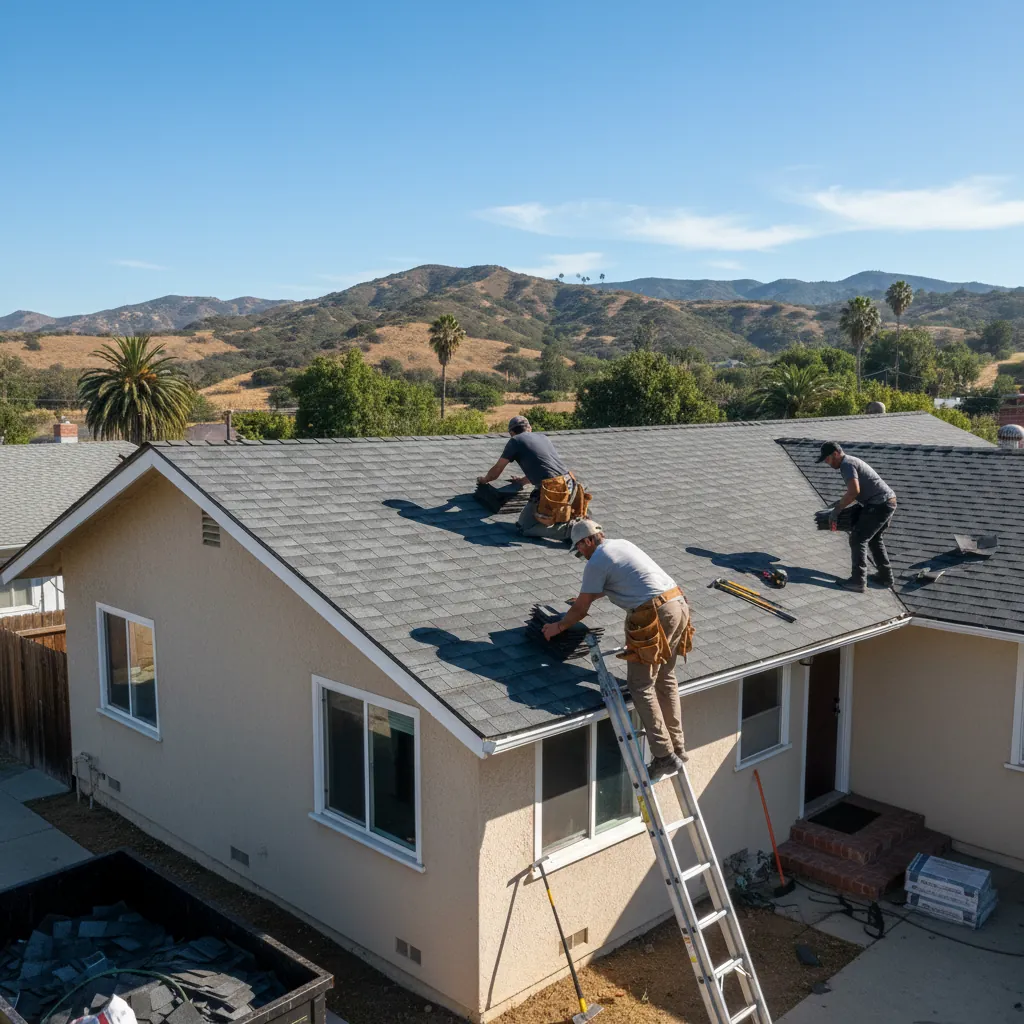
Typical Venice costs, permit steps and timelines are below. When you are ready, describe your project and up to four local roofers serving Venice will contact you. You compare and decide.
Maintaining a durable roof in Venice requires a deep understanding of our unique coastal climate, where salty ocean breezes and heavy morning fog constantly test building materials. From historic bungalows near the canals to modern architectural homes off Abbot Kinney, we connect you with local roofing contractors who specialize in protecting Westside properties. These independent specialists ensure your home stays dry, secure, and fully compliant with Los Angeles building codes.
Unlike inland areas of Los Angeles, Venice properties sit on flat coastal lowland with a shallow water table and high humidity.
The constant exposure to marine air accelerates the corrosion of standard metal fasteners and causes rapid degradation of low-quality shingles. A roof here must be specifically designed with rust-resistant components and moisture-tolerant materials to withstand the relentless salt spray and heavy morning condensation.
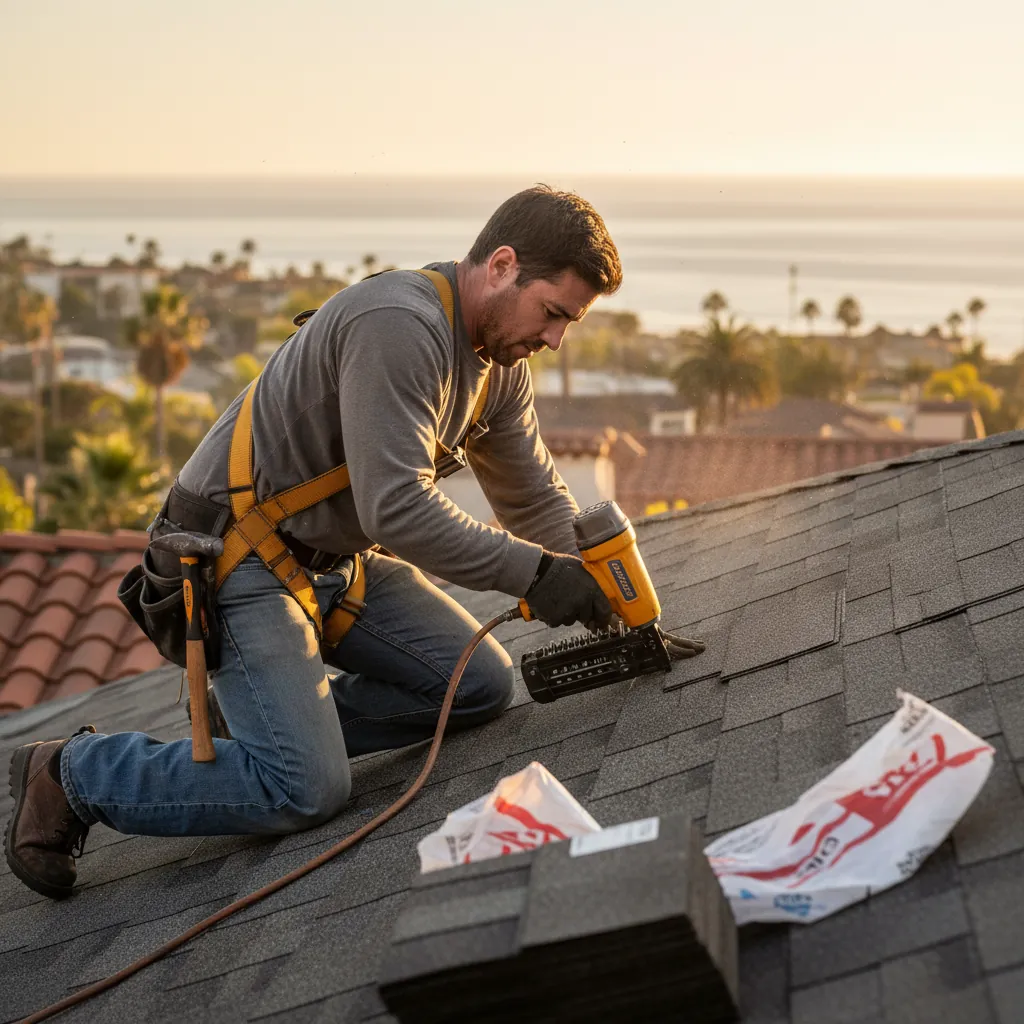
Costs depend on the roof's pitch and the use of specialized algae-resistant and reflective shingles required for coastal CA compliance.
Common for modern Venice architecture; requires precise sealing and slope adjustment to prevent water ponding from heavy marine fog.
Often involves replacing rusted fasteners or damaged flashing around coastal chimneys and skylights.
Typical market ranges for the Greater Los Angeles area, not a quote or a guarantee. The price of your job depends on its scope, so ask each pro for a written estimate before you decide. Bars share one scale, so you can compare project sizes.
Initial site assessment evaluating existing moisture damage and coastal wear
Submission of plans and securing permits through the Los Angeles Dept. of Building and Safety (LADBS)
Complete tear-off of old materials down to the roof deck, inspecting for dry rot
Installation of high-grade, salt-resistant underlayment and flashing
Application of the chosen roofing material (e.g., cool-roof shingles or single-ply membrane)
Final inspection and sign-off by LADBS inspectors
ContractorPro.Leads doesn't do the work itself. We pass your Venice project to up to four local roofers who take this kind of job, and you decide whether to hire any of them.
Whether your property is a classic craftsman nestled along the historic Venice Canals, a contemporary multi-story home near the bustling Venice Beach Boardwalk, or a commercial space along Abbot Kinney Blvd, local architectural styles vary wildly. This diversity means roofing solutions cannot be one-size-fits-all. Local contractors are familiar with the specific structural demands of these unique beachside designs, balancing modern aesthetics with high-performance coastal weatherproofing.
Tell us what you have in mind. We'll pass it to up to four local pros, and they'll contact you to talk it through.
Yes. All re-roofing projects in Venice require a permit from the Los Angeles Dept. of Building and Safety (LADBS). Local contractors typically handle this process, ensuring compliance with LA's strict structural and Title 24 energy efficiency codes.
The persistent morning fog and salt air accelerate rust on metal components and encourage mold or algae growth on shingles. Local pros recommend using corrosion-resistant fasteners (like stainless steel) and algae-resistant cool roof materials.
Yes, the Los Angeles Department of Water and Power (LADWP) occasionally offers rebates for certified Cool Roof installations that reflect solar heat and reduce household cooling costs. A local contractor can help you choose qualifying products.
Simple residential re-roofing permits can often be obtained online or express-permitted within a few days, but homes in the Venice Coastal Zone may occasionally require additional planning review if structural changes are made.
While Southern California weather is generally mild, it is best to avoid the heavy morning fog of 'June Gloom' (May through July) and the winter rain season. Late summer and early autumn offer the most reliable dry windows for open-roof work.
