Typical Venice costs, permit steps and timelines are below. When you are ready, describe your project and up to four local ADU builders serving Venice will contact you. You compare and decide.
Conduct a detailed site assessment to evaluate sandy soil conditions and verify Coastal Zone boundaries.
Develop architectural plans tailored to Venice's specific lot dimensions and height restrictions.
Submit comprehensive plans to the Los Angeles Department of Building and Safety (LADBS) for review.
Pour a specialized, moisture-sealed foundation engineered for sandy coastal terrain.
Construct the frame and install weatherproofing designed to resist marine air corrosion.
Complete interior finishes, connect utilities, and obtain the final LADBS certificate of occupancy.
Reflects standard conversion of an existing detached garage, assuming the structure is sound and plumbing lines can easily tie into the main house.
A brand-new, ground-up build. The range is driven by necessary specialized foundation engineering for sandy soil and high-end exterior finishes to resist salt air.
Includes custom design, structural engineering for coastal soil, and navigation of the LADBS and Coastal Zone permitting processes.
Typical market ranges for the Greater Los Angeles area, not a quote or a guarantee. The price of your job depends on its scope, so ask each pro for a written estimate before you decide. Bars share one scale, so you can compare project sizes.
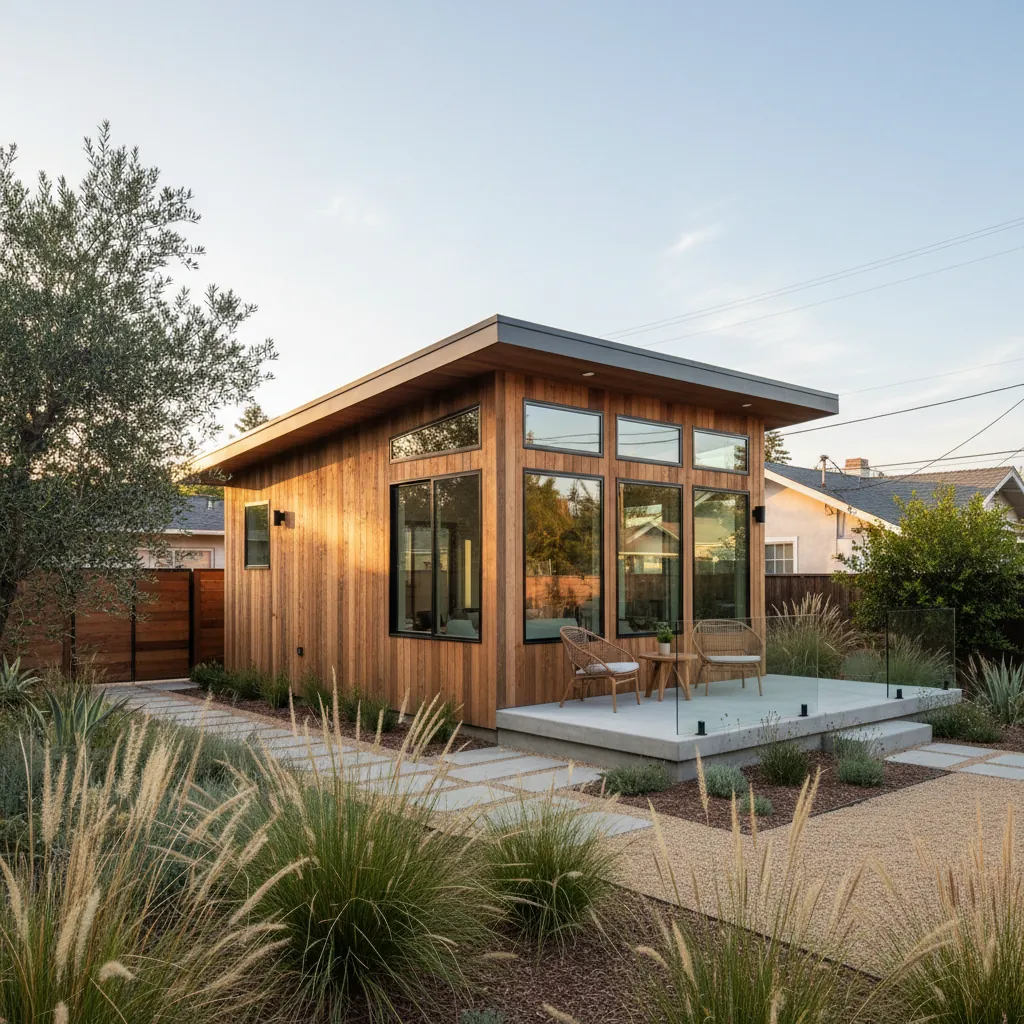
Venice’s vibrant architectural landscape, ranging from historic beach cottages to ultra-modern homes, makes it a premier location for adding a high-value accessory dwelling unit. Navigating the unique space constraints of coastal lots requires seasoned specialists who understand the local building fabric.
Building in Venice means addressing loose, sandy coastal soils and a shallow water table, which require specialized foundation engineering like deepened footings or grade beams to prevent settling.
Additionally, properties west of Lincoln Boulevard fall within the California Coastal Zone, requiring complex coastal clearances in addition to standard City of Los Angeles (LADBS) approvals. The persistent marine layer and salty ocean air also demand high-performance, corrosion-resistant building materials to prevent premature wear and rot.
ContractorPro.Leads doesn't do the work itself. We pass your Venice project to up to four local ADU builders who take this kind of job, and you decide whether to hire any of them.
Whether you want to convert an old detached garage behind a bungalow near the Venice Beach Boardwalk, or build a contemporary, light-filled guest house steps from the Venice Canals, local experts design structures that maximize every inch of space. They know how to craft ADUs that complement the creative, artistic aesthetic found along Abbot Kinney Boulevard while strictly adhering to local height limits and setback regulations.
Planning a larger project? Venice homeowners also read our nearby guides to general contractors in Playa Vista and room additions in Playa Vista, which cover permits, typical costs and timelines.
Tell us what you have in mind. We'll pass it to up to four local pros, and they'll contact you to talk it through.
The standard permitting process with the Los Angeles Department of Building and Safety (LADBS) typically takes 3 to 6 months. However, if your Venice property lies within the Coastal Zone, obtaining the necessary Coastal Development Permit (CDP) or exemption can add several months to the overall timeline.
Venice's flat coastal lowland features sandy soils that shift easily, combined with a high water table near the beach. Structural engineers often design deepened footings, grade beams, or specialized moisture barriers to prevent settling and water intrusion, which can add to initial foundation costs.
Yes. Homeowners can take advantage of LADWP rebates for energy-efficient upgrades, such as high-efficiency heat pumps, solar installations, and turf replacement. Local pros can help you design the ADU to maximize these utility savings.
Under California state law, if your ADU is located within one-half mile of public transit—which includes almost all properties in Venice—you are not required to provide a new off-street parking space for the unit.
To combat the damp salt air, local builders recommend using composite or fiber-cement siding, vinyl or fiberglass window frames, and stainless steel or galvanized hardware. Standard wood siding and cheap metals will degrade and rust quickly in this micro-climate.
